


Photos: Meteor explodes over Russia
- Updated
Nearly 1,000 people have sought help for injuries caused by a meteor that exploded in the sky, blasting out countless windows, a Russian health official says. The meteor — estimated to be about 10 tons — entered the Earth’s atmosphere going at least 54,000 kph (33,000 mph) and shattered about 30-50 kilometers (18-32 miles) above the ground, releasing several kilotons of energy above the Ural Mountains.
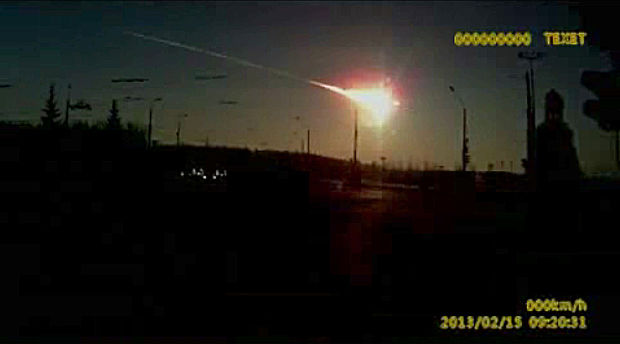
In this frame grab made from dashboard camera video, a meteor streaks through the sky over Chelyabinsk, about 1500 kilometers (930 miles) east of Moscow, Friday, Feb. 15, 2013. With a blinding flash and a booming shock wave, the meteor blazed across the western Siberian sky Friday and exploded with the force of 20 atomic bombs, injuring more than 1,000 people as it blasted out windows and spread panic in a city of 1 million. (AP Photo/AP Video)
- Uncredited
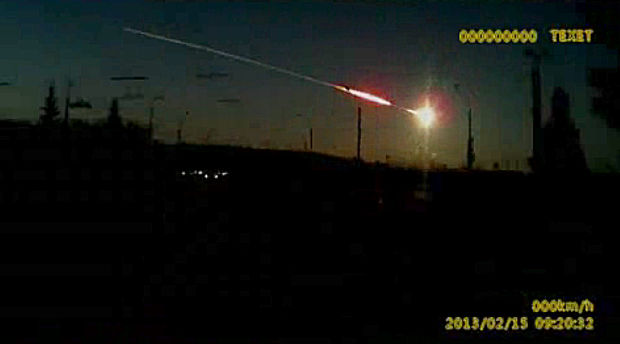
In this frame grab made from dashboard camera video, a meteor streaks through the sky over Chelyabinsk, about 1500 kilometers (930 miles) east of Moscow, Friday, Feb. 15, 2013. With a blinding flash and a booming shock wave, the meteor blazed across the western Siberian sky Friday and exploded with the force of 20 atomic bombs, injuring more than 1,000 people as it blasted out windows and spread panic in a city of 1 million. (AP Photo/AP Video)
- Uncredited
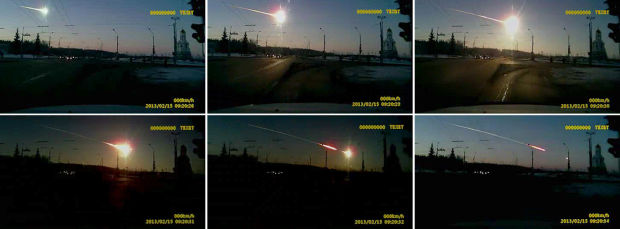
In this combo made from frame grabs from dashboard camera video, a meteor streaks through the sky over Chelyabinsk, about 1500 kilometers (930 miles) east of Moscow, Friday, Feb. 15, 2013. With a blinding flash and a booming shock wave, the meteor blazed across the western Siberian sky Friday and exploded with the force of 20 atomic bombs, injuring more than 1,000 people as it blasted out windows and spread panic in a city of 1 million. (AP Photo/AP Video)
- Uncredited
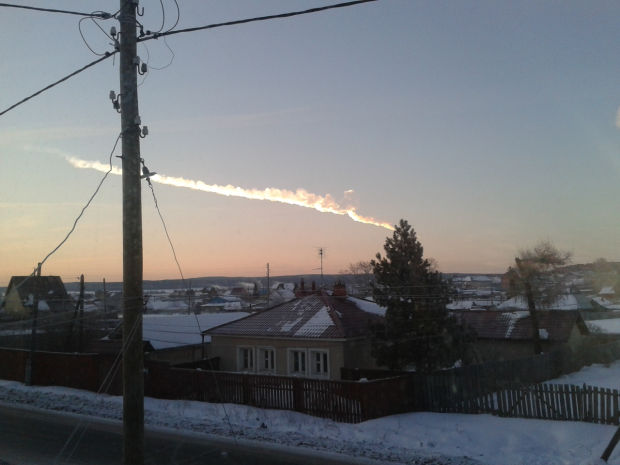
In this photo provided by E1.ru a meteorite contrail is seen over a vilage of Bolshoe Sidelnikovo 50 km of Chelyabinsk on Friday, Feb. 15, 2013. A meteor streaked across the sky of Russia’s Ural Mountains on Friday morning, causing sharp explosions and reportedly injuring around 100 people, including many hurt by broken glass. (AP Photo/ Nadezhda Luchinina, E1.ru)
- Nadezhda Luchinina
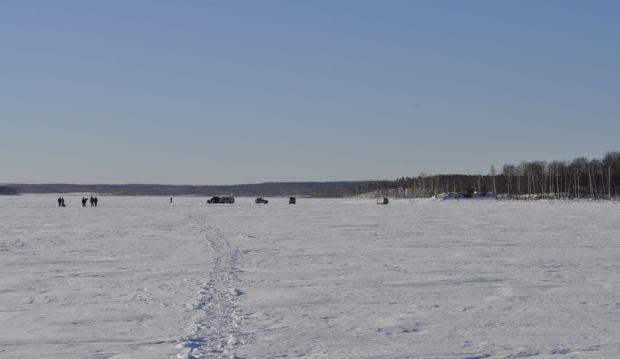
Investigators work at a hole in the ice of Chebarkul Lake where a meteorite reportedly struck the lake near the town of Chebarkul, 80 kilometers (50 miles) west of Chelyabinsk city, Russia, Saturday, Feb. 16, 2013. With a blinding flash and a booming shock wave, a meteor blazed across the western Siberian sky Friday and exploded with the force of 20 atomic bombs, injuring more than 1,000 people as it blasted out windows and spread panic in a city of 1 million. In Chebarkul divers explored the bottom of an ice-crusted lake looking for meteor fragments believed to have fallen there, leaving a six-meter-wide (20-foot-wide) hole. Police kept curious onlookers from venturing out onto the icy lake, where a tent was set up for the divers. (AP Photo/Laura Mills)
- Laura Mills
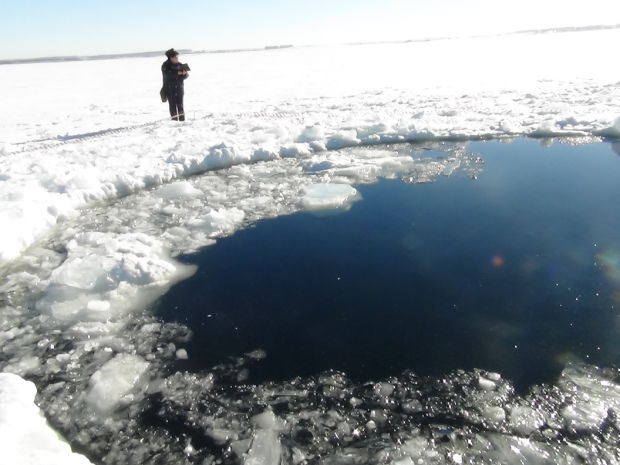
A circular hole in the ice of Chebarkul Lake where a meteor reportedly struck the lake near Chelyabinsk, about 1500 kilometers (930 miles) east of Moscow, Russia, Friday, Feb. 15, 2013. A meteor streaked across the sky and exploded over Russia’s Ural Mountains with the power of an atomic bomb Friday, its sonic blasts shattering countless windows and injuring nearly 1,000 people. (AP Photo)
- Uncredited
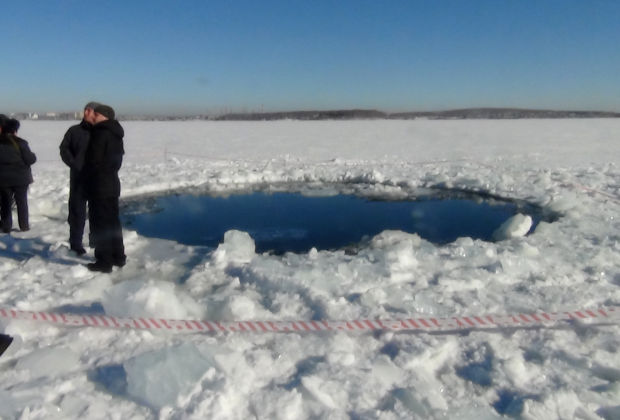
A circular hole in the ice of Chebarkul Lake where a meteor reportedly struck the lake near Chelyabinsk, about 1500 kilometers (930 miles) east of Moscow, Russia, Friday, Feb. 15, 2013. A meteor streaked across the sky and exploded over Russia’s Ural Mountains with the power of an atomic bomb Friday, its sonic blasts shattering countless windows and injuring nearly 1,000 people. (AP Photo)
- Uncredited
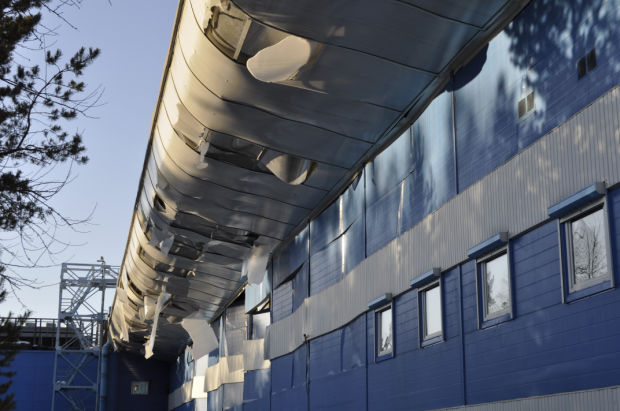
The building of the city's city sports arena is damaged in after a meteorite fell near Chelyabinsk, about 1500 kilometers (930 miles) east of Moscow, Russia, Saturday, Feb. 16, 2013. With a blinding flash and a booming shock wave, a meteor blazed across the western Siberian sky Friday and exploded with the force of 20 atomic bombs, injuring more than 1,000 people as it blasted out windows and spread panic in a city of 1 million. (AP Photo/Laura Mills)
- Laura Mills
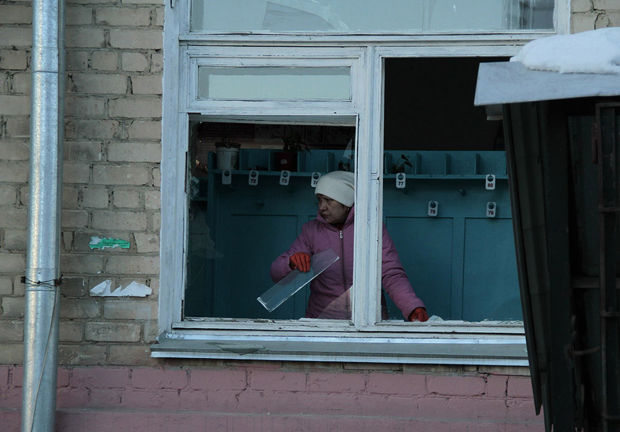
In this photo provided by Chelyabinsk.ru a woman cleans away glass debris from a window after a meteorite explosion over Chelyabinsk region on Friday, Feb. 15, 2013. A meteor exploded in the sky above Russia on Friday, causing a shockwave that blew out windows injuring hundreds of people and sending fragments falling to the ground in the Ural Mountains. The Russian Academy of Sciences said in a statement hours after the Friday morning fall that the meteor entered the Earth's atmosphere at a speed of at least 54,000 kph (33,000 mph) and shattered about 30-50 kilometers (18-32 miles) above ground. The fall caused explosions that broke glass over a wide area. (AP Photo/ Yevgenia Yemelyanova, Chelyabinsk.ru)
- Yevgenia Yemelyanova
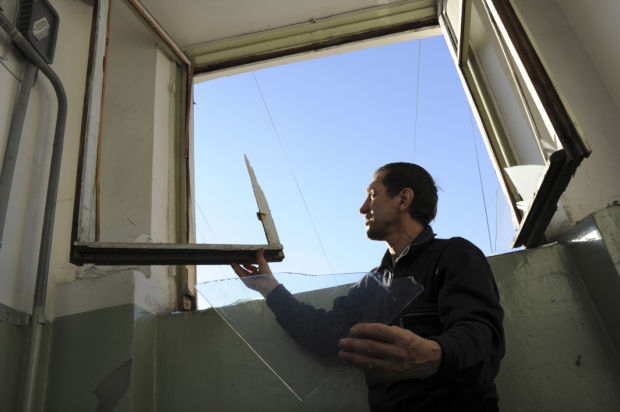
A local resident repairs a window broken by a shock wave from a meteor explosion in Chelyabinsk, about 1500 kilometers (930 miles) east of Moscow, Friday, Feb. 15, 2013. A meteor that scientists estimate weighed 10 tons (11 tons) streaked at supersonic speed over Russia's Ural Mountains on Friday, setting off blasts that injured some 500 people and frightened countless more. (AP Photo/Boris Kaulin)
- Boris Kaulin
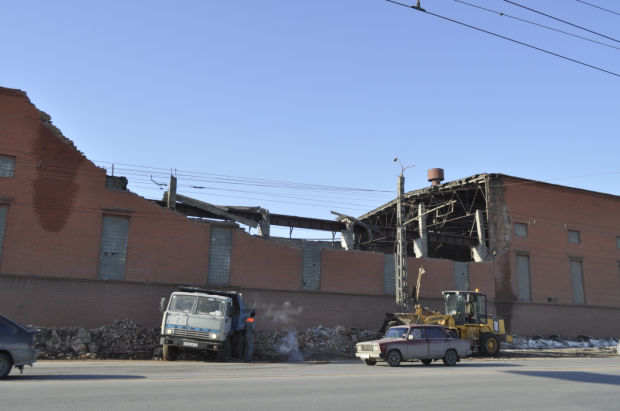
Cars driver psst a zinc factory building with part of its roof collapsed in Chelyabinsk, about 1500 kilometers (930 miles) east of Moscow, Russia, Saturday, Feb. 16, 2013. With a blinding flash and a booming shock wave, a meteor blazed across the western Siberian sky Friday and exploded with the force of 20 atomic bombs, injuring more than 1,000 people as it blasted out windows and spread panic in a city of 1 million. (AP Photo/Laura Mills)
- Laura Mills
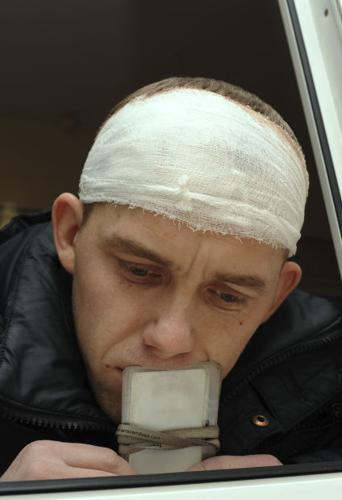
Alexander Babin, a rescuer employed by Chelyabinsk Airlines, who was injured by glass from window at his home broken by a shock wave from a meteor explosion, rests after getting medical care in Chelyabinsk Regional Hospital in Chelyabinsk, about 1500 kilometers (930 miles) east of Moscow, Saturday, Feb. 16, 2013. A meteor that scientists estimate weighed 10 tons (11 tons) streaked at supersonic speed over Russia's Ural Mountains on Friday, setting off blasts that injured some 500 people and frightened countless more. (AP Photo/Boris Kaulin)
- Boris Kaulin
In this frame grab made from dashboard camera video, a meteor streaks through the sky over Chelyabinsk, about 1500 kilometers (930 miles) east of Moscow, Friday, Feb. 15, 2013. With a blinding flash and a booming shock wave, the meteor blazed across the western Siberian sky Friday and exploded with the force of 20 atomic bombs, injuring more than 1,000 people as it blasted out windows and spread panic in a city of 1 million. (AP Photo/AP Video)
- Uncredited
In this frame grab made from dashboard camera video, a meteor streaks through the sky over Chelyabinsk, about 1500 kilometers (930 miles) east of Moscow, Friday, Feb. 15, 2013. With a blinding flash and a booming shock wave, the meteor blazed across the western Siberian sky Friday and exploded with the force of 20 atomic bombs, injuring more than 1,000 people as it blasted out windows and spread panic in a city of 1 million. (AP Photo/AP Video)
- Uncredited
In this combo made from frame grabs from dashboard camera video, a meteor streaks through the sky over Chelyabinsk, about 1500 kilometers (930 miles) east of Moscow, Friday, Feb. 15, 2013. With a blinding flash and a booming shock wave, the meteor blazed across the western Siberian sky Friday and exploded with the force of 20 atomic bombs, injuring more than 1,000 people as it blasted out windows and spread panic in a city of 1 million. (AP Photo/AP Video)
- Uncredited
In this photo provided by E1.ru a meteorite contrail is seen over a vilage of Bolshoe Sidelnikovo 50 km of Chelyabinsk on Friday, Feb. 15, 2013. A meteor streaked across the sky of Russia’s Ural Mountains on Friday morning, causing sharp explosions and reportedly injuring around 100 people, including many hurt by broken glass. (AP Photo/ Nadezhda Luchinina, E1.ru)
- Nadezhda Luchinina
Investigators work at a hole in the ice of Chebarkul Lake where a meteorite reportedly struck the lake near the town of Chebarkul, 80 kilometers (50 miles) west of Chelyabinsk city, Russia, Saturday, Feb. 16, 2013. With a blinding flash and a booming shock wave, a meteor blazed across the western Siberian sky Friday and exploded with the force of 20 atomic bombs, injuring more than 1,000 people as it blasted out windows and spread panic in a city of 1 million. In Chebarkul divers explored the bottom of an ice-crusted lake looking for meteor fragments believed to have fallen there, leaving a six-meter-wide (20-foot-wide) hole. Police kept curious onlookers from venturing out onto the icy lake, where a tent was set up for the divers. (AP Photo/Laura Mills)
- Laura Mills
A circular hole in the ice of Chebarkul Lake where a meteor reportedly struck the lake near Chelyabinsk, about 1500 kilometers (930 miles) east of Moscow, Russia, Friday, Feb. 15, 2013. A meteor streaked across the sky and exploded over Russia’s Ural Mountains with the power of an atomic bomb Friday, its sonic blasts shattering countless windows and injuring nearly 1,000 people. (AP Photo)
- Uncredited
A circular hole in the ice of Chebarkul Lake where a meteor reportedly struck the lake near Chelyabinsk, about 1500 kilometers (930 miles) east of Moscow, Russia, Friday, Feb. 15, 2013. A meteor streaked across the sky and exploded over Russia’s Ural Mountains with the power of an atomic bomb Friday, its sonic blasts shattering countless windows and injuring nearly 1,000 people. (AP Photo)
- Uncredited
The building of the city's city sports arena is damaged in after a meteorite fell near Chelyabinsk, about 1500 kilometers (930 miles) east of Moscow, Russia, Saturday, Feb. 16, 2013. With a blinding flash and a booming shock wave, a meteor blazed across the western Siberian sky Friday and exploded with the force of 20 atomic bombs, injuring more than 1,000 people as it blasted out windows and spread panic in a city of 1 million. (AP Photo/Laura Mills)
- Laura Mills
In this photo provided by Chelyabinsk.ru a woman cleans away glass debris from a window after a meteorite explosion over Chelyabinsk region on Friday, Feb. 15, 2013. A meteor exploded in the sky above Russia on Friday, causing a shockwave that blew out windows injuring hundreds of people and sending fragments falling to the ground in the Ural Mountains. The Russian Academy of Sciences said in a statement hours after the Friday morning fall that the meteor entered the Earth's atmosphere at a speed of at least 54,000 kph (33,000 mph) and shattered about 30-50 kilometers (18-32 miles) above ground. The fall caused explosions that broke glass over a wide area. (AP Photo/ Yevgenia Yemelyanova, Chelyabinsk.ru)
- Yevgenia Yemelyanova
A local resident repairs a window broken by a shock wave from a meteor explosion in Chelyabinsk, about 1500 kilometers (930 miles) east of Moscow, Friday, Feb. 15, 2013. A meteor that scientists estimate weighed 10 tons (11 tons) streaked at supersonic speed over Russia's Ural Mountains on Friday, setting off blasts that injured some 500 people and frightened countless more. (AP Photo/Boris Kaulin)
- Boris Kaulin
Cars driver psst a zinc factory building with part of its roof collapsed in Chelyabinsk, about 1500 kilometers (930 miles) east of Moscow, Russia, Saturday, Feb. 16, 2013. With a blinding flash and a booming shock wave, a meteor blazed across the western Siberian sky Friday and exploded with the force of 20 atomic bombs, injuring more than 1,000 people as it blasted out windows and spread panic in a city of 1 million. (AP Photo/Laura Mills)
- Laura Mills
Alexander Babin, a rescuer employed by Chelyabinsk Airlines, who was injured by glass from window at his home broken by a shock wave from a meteor explosion, rests after getting medical care in Chelyabinsk Regional Hospital in Chelyabinsk, about 1500 kilometers (930 miles) east of Moscow, Saturday, Feb. 16, 2013. A meteor that scientists estimate weighed 10 tons (11 tons) streaked at supersonic speed over Russia's Ural Mountains on Friday, setting off blasts that injured some 500 people and frightened countless more. (AP Photo/Boris Kaulin)
- Boris Kaulin
As featured on
Meteorite explosions in the skies of Russia's Urals region has sparked panic in three major …

MOSCOW - With a blinding flash and a booming shock wave, a meteor blazed across the western …

CHELYABINSK, Russia - As a small army of people worked to replace acres of windows shattered…


View this profile on Instagram#ThisIsTucson 🌵 (@this_is_tucson) • Instagram photos and videos
Most viewed stories
-
Pima County Fair returns with all new rides, big name concerts and fun foods 🎡
-
Your Tucson weekend guide: Nearly 50 events happening April 17-19
-
$25 challenge: Inside Warm Shape’s treasure trove of Tucson-made goods
-
It's that time of year again: Ranking some of the craziest meals at this year's Pima County Fair
-
New Eats! 20 new restaurants that opened up in Tucson this winter 🍽️
-
Tucson’s Junkchella offers art, vendors and creative experiences
-
Over 70 fun events happening in Tucson in April 🎡🐰
-
44 things to do in Tucson this weekend, April 10-12
-
A new beginning: This local Middle Eastern restaurant is starting fresh and serving up amazing meals
-
Bloomfest celebrates palo verde blooms and Tucson culture