


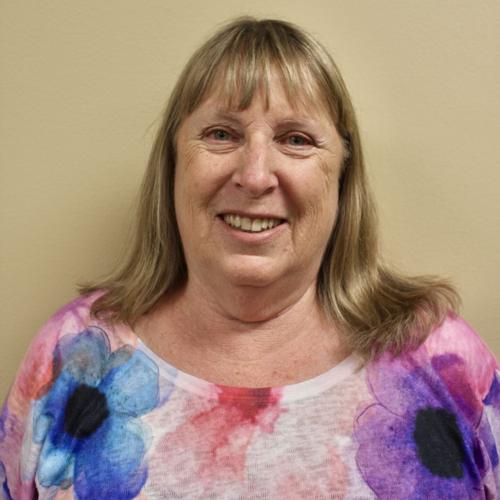
The following is the opinion and analysis of the writers:

Patti Caldwell
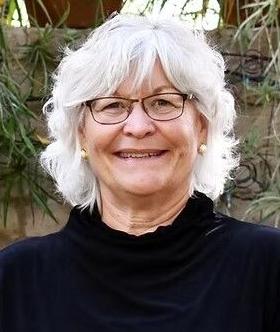
Beth Morrison
The passage of H.R. 1, known as the “One Big Beautiful Bill Act,” marked a significant shift for the health and social services landscape in Southern Arizona. This legislation and its cuts pose a serious threat to critical health programs, particularly those serving individuals with HIV/AIDS and the broader LGBTQ+ community.
To understand the local impact, it’s crucial to consider the current state of HIV/AIDS in our community. As of late 2022, nearly 20,000 individuals in Arizona were living with HIV or AIDS. In Pima County, the 2022 count was 3,021 individuals. In Tucson, these cuts continue to jeopardize vital detection, prevention and treatment services provided by SAAF and its partners.
At a recent news conference, a panel of healthcare providers shared the tangible impact of these federal budget reductions. SAAF alone has already experienced nearly $2 million in cuts, including:
- $1.5 million from the Ryan White HIV/AIDS Program.
- $60,000 from Ryan White Part A for utility assistance.
- The non-renewal of two grants totaling $270,000 from the SIROW – Family Pride Initiative and SIROW – Spectrum+.
Speakers at the event including the University of Arizona College of Medicine, Tucson Interfaith HIV/AIDS Network (TIHAN) and El Rio Health highlighted the severity of the situation. Some organizations have already seen as much as a 40% loss in funding, and many fear that continued cuts could reverse the advances in survival rates back to those seen in the 1990s.
Key funding priorities
Despite these hurdles, SAAF remains committed to serving HIV and LGBTQ+ communities. We urge federal appropriators to prioritize critical funding streams. Our organization and partners rely on federal and state investments to address the ongoing challenges of HIV prevention, treatment and research across Arizona. Our key funding priorities for Fiscal Year 2025 are:
Housing Opportunities for Persons with AIDS: We aim to sustain funding for HOPWA, which provides essential housing assistance and supportive services. Stable housing is a fundamental determinant of health, enabling people with HIV to adhere to treatment and improve well-being.
Ryan White HIV/AIDS Program: We urge Congress to increase funding for the Ryan White program. This initiative provides a comprehensive system of care for people with HIV who are uninsured or underinsured, ensuring access to life-saving medications and services.
Centers for Disease Control and Prevention (CDC) HIV Surveillance and Prevention: Sustained CDC funding is crucial for tracking the epidemic and informing public health interventions. This funding also supports prevention programs like testing and PrEP access, essential to stopping new infections.
Ending the HIV Epidemic in the United States (EHE) Initiative: Sustaining funding for the EHE initiative is a critical component of the national plan to reduce new HIV infections by 90% by 2030.
Beyond HIV-specific programs, H.R. 1 included provisions that could severely impact the LGBTQ+ community. Deep cuts to Medicaid, coupled with new work requirements, risk interrupting continuous healthcare for countless individuals. This includes HIV patients who rely on Medicaid for life-sustaining medication. These changes also pose significant barriers to gender-affirming care, creating new hurdles to equitable healthcare for our most vulnerable neighbors.
A human cost and call to action
The numbers alone do not fully capture the human cost of these budget reductions. While it’s too soon to calculate the full scope, these cuts will directly translate to thousands of jobs lost in the vital health and social services sector. SAAF has already experienced workforce reductions and anticipates more. This means dedicated staff will be asked to do more with less—less time, fewer resources, and less capacity to provide the comprehensive care our communities deserve. This will inevitably lead to overburdened professionals and a diminished ability to serve those most in need.
The strength of our mission is rooted in the unwavering support of our community. We need to act together to protect the health and well-being of our communities.
How You Can Help: Contact Your Elected Officials. There’s still time to let Washington know the importance of supporting vital funding.
- Senator Mark Kelly, 516 Hart Senate Office Building, Washington D.C. 20510, (202) 224-2235
- Senator Ruben Gallego, SH-302 Hart Senate Office Building, Washington D.C. 20510, (202) 224-4521
- Representative Juan Ciscomani, 461 Cannon House Office Building, Washington D.C. 20515, (202) 225-2542
Follow these steps to easily submit a letter to the editor or guest opinion to the Arizona Daily Star.

