

The following is the opinion and analysis of the writer:
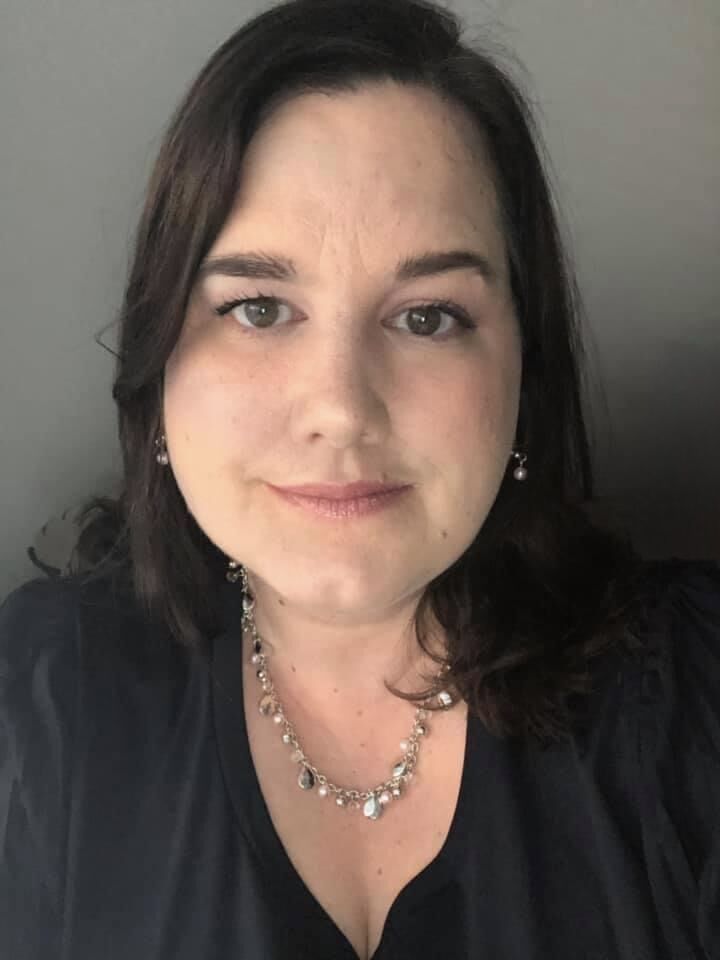
Catherine Sienko
Across Arizona and beyond, many deaf, hard-of-hearing, blind, and visually impaired families are watching closely and wondering what the future will hold for the Arizona Schools for the Deaf and Blind (ASDB). For parents, alumni, and community members connected to ASDB, the conversation is not simply about buildings or governance. It is about children, opportunity, and whether future generations will have the same sense of belonging and support that so many before them found at ASDB.
With important decisions about ASDB expected to come before state policymakers in the coming years, these conversations carry even greater urgency for the families and communities connected to the school.
Just last week, I had the opportunity to participate in a panel discussion with members of the Deaf community at the Phoenix Deaf Community Center, where the theme was shared responsibility within our community. The conversation reinforced how deeply people care about the future of ASDB and the importance of ensuring that decisions affecting students are made with transparency and meaningful community engagement.
For many outside the disability community, ASDB may appear to be simply another school. But for generations of deaf, blind, and visually impaired Arizonans, it has represented far more than that. ASDB has long been a place where access, identity, and community come together. It is often where students first experience full communication access, specialized instruction, and the powerful realization that they are not alone, but part of a community where they truly belong.
For many, ASDB is more than a school. It is home.
Education for deaf, hard-of-hearing, blind, and visually impaired students has always been about more than academics. At the heart of deaf-and-blind education is access to language, information, and the tools that allow students to fully engage with the world around them. For deaf students, this often means full access to communication through American Sign Language and visual learning environments. For blind and visually impaired students, it includes access to Braille instruction, orientation and mobility training, assistive technology, and other specialized services that support independence and confidence.
Specialized schools like ASDB bring together the people, knowledge, and resources that help deaf, blind, and visually impaired students learn and thrive. In these environments, students learn from educators who understand their needs and from peers who share similar experiences. They also benefit from seeing role models who reflect their lived experiences, whether that means deaf students seeing deaf adults thrive or blind and visually impaired students learning from mentors who understand their journey. Over the years, many graduates have gone on to become lawyers, engineers, counselors, social workers, welders, forensic scientists, and leaders in their communities, demonstrating what is possible when students are given the tools and support they need to succeed.
Another important part of this conversation involves blind and visually impaired students. Current discussions indicate that BVI students may not be part of the Copper Creek campus and may instead receive services through their home districts or cluster sites. While there may be logistical considerations behind this approach, families understandably want to know how continuity of services, specialized instruction, and community connection will be maintained. Ensuring that students continue to receive high-quality and consistent support should remain central to these discussions.
Rather than focusing on differences or decisions already made, this moment presents an opportunity to strengthen collaboration between state leaders, educators, families, and the communities we serve. Decisions that affect deaf, blind, and visually impaired students carry long-term consequences, and thoughtful engagement with the community can help ensure that solutions are both practical and inclusive.
Arizona has a long history of deaf leadership, advocacy, and resilience. Organizations like the Arizona Association for the Deaf and the Arizona Commission for the Deaf and Hard of Hearing, along with community groups, families, and educators, have consistently stepped forward to support deaf children and ensure their rights are protected. At the same time, blind and visually impaired advocates and organizations across the state, including groups like the National Federation of the Blind, have worked to advance accessibility, independence, and educational opportunity. Their advocacy has helped ensure that students who are blind or visually impaired have access to the tools, instruction, and support they need to succeed.
These communities have always been strongest when working in partnership with educators and policymakers to create systems that meet students’ needs.
As conversations about the future of ASDB continue, transparency and communication will be essential. Families want to understand what the long-term vision is, how decisions are being made, and how students will continue to receive the services they need to thrive.
When the families and communities are included in these conversations, stronger solutions become possible. The future of education for deaf, hard-of-hearing, blind, and visually impaired students in Arizona should be shaped not only by policy decisions, but also by the lived experiences and knowledge of the deaf and blind communities themselves.
Moving forward, the path requires collaboration, accountability, and a shared commitment to the well-being of students. When we approach these conversations hand in hand, with openness and mutual respect, we strengthen not only our schools but also the future of the communities we serve.
Follow these steps to easily submit a letter to the editor or guest opinion to the Arizona Daily Star.

