



The following column is the opinion and analysis of the writer.
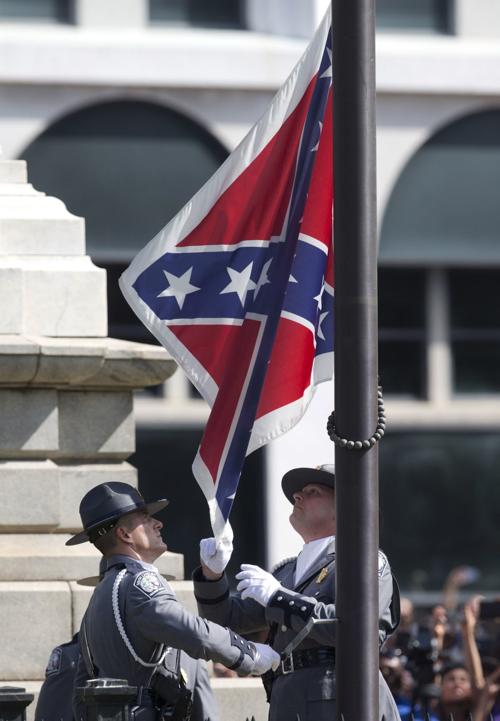
Tucson City Councilmember Lane Santa Cruz and Mayor Regina Romero want the Rodeo Parade to remove the Confederate flag. Indeed, the Confederate flag stands for a troubled part of our history, and it is understandable that people are upset about its public display because of its sordid association with slavery. The question is whether this constitutes historical inclusivity or politically incorrect revisionism.
Here are some of the facts about the Civil War in Arizona we need to keep in mind to judge properly: On March 16, 1861, a convention in Tucson adopted a secession ordinance because of the region’s shared interests and geography with the Confederacy, the need of frontier protection, and the loss of postal service routes under the United States government. On Aug. 1, 1861, a force of Texan Confederate cavalry and Arizonan militia under Lt. Colonel John Baylor conquered the southern New Mexico territory. Subsequently, the Confederate Company A arrived in Tucson on February 28, 1862, and were welcomed by many.
This was because, at the time, people were deeply worried about the threats by the Apaches and felt neglected by the Union government in their own colonialist efforts to capture lands from the native population and to start mining. Tucson was ideally located on the Butterfield Overland Mail road, the only one between California and the Rio Grande and Mesilla valleys, and it facilitated the establishment of military posts to observe and delay the advances of Union forces under Col. James Henry Carleton at Fort Yuma.
A small force of Confederate soldiers defeated approaching Union soldiers at the Battle of Picacho Peak on April 15, 1862, but the Union had already won a decisive victory at the Battle of Glorieta Pass (today southeast of Santa Fe, New Mexico) on March 28, 1862. The Company A departed from Tucson on May 14, since they had not received any reinforcements and could not hold the fort any longer, leaving behind only a small detachment under Lt. James Henry Tevis.
On May 20, 1862, Captain Emil Fritz with his Company B, 1st California Volunteer Cavalry, known as the California Column, entered Tucson surprisingly from the north (Canyon del Oro) with a force of 2,000 men without firing a shot, while Tevis and his men managed to escape. This ended the rule of the Confederates that had lasted for less than 80 days.
There is no doubt that the Confederate flag here in Tucson stands for very a tumultuous time, when many social and economic issues were at stake. However, removing the flag would also mean ignoring that history. Can we afford to be blind to what happened in the past whether we agree with it or not?
What does the U.S. flag, in use since 1777, mean for all citizens of our city and region? Honestly, some atrocities were committed under that flag, and yet we proudly display it at the parade. Our past will always stay with us, but we are not its pawns.
Instead, we need to remember and honor the victims, pay respect to the heroes, and recognize that we are the heirs of a rather problematic past. Should we not honor particularly the Apaches and their flag who defended themselves against an aggressive group of white settlers here in Southern Arizona?
By the same token, however, the Confederate flag ought to stay, but it needs to be contextualized and explained, thus serving as a reminder of what happened here in Tucson 158 years ago, the good and the bad. In fact, Tucson ought to remember critically all aspects of our history, which includes the Confederates.

