




The following is the opinion and analysis of the writer:
The Ironwood Forest National Monument, just northwest of Tucson, was established on June 9, 2000, by President Bill Clinton. This 189,000-acre local treasure is a prime example of largely undisturbed Sonoran Desert.
The monument is part of the Conservation Lands program and is set aside for the benefit of the public in perpetuity. The objects of special scientific interest within the monument include a variety of endangered or threatened animals and plants, unique geology and significant cultural history. There are eight mountain ranges and two large valleys, containing a particularly diverse variety of almost 600 plant species along with 121 vertebrate animal species.
The most spectacular of the mammals is the indigenous herd of desert bighorn sheep. This herd is native to the monument and is healthy enough that some animals have been caught and transferred to other areas in need of population replenishment.
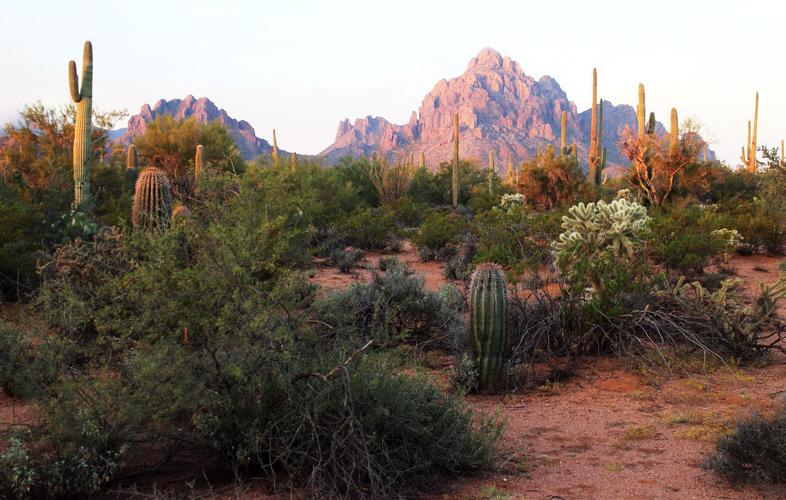
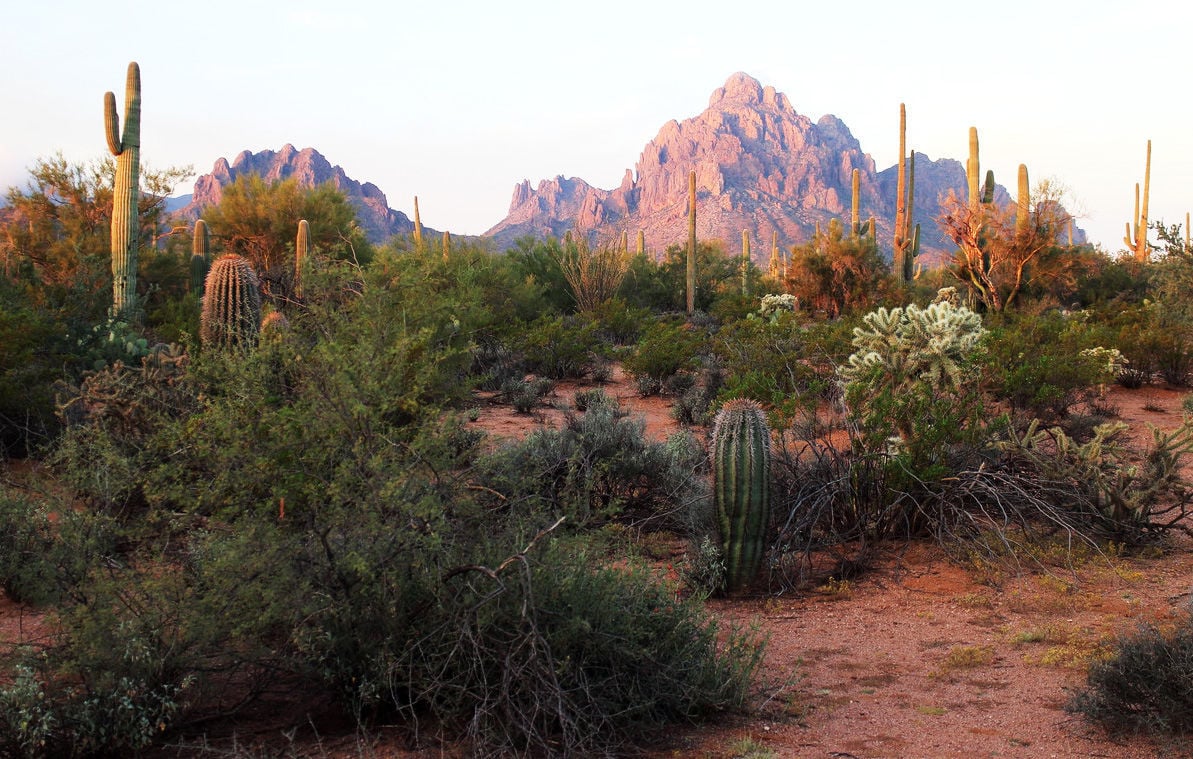
The largest of the mountains, rising up to 4,200 feet, and roughly in the center of the Monument, are the Silver Bells, the Waterman and the iconic Ragged Top. Ragged Top Mountain, in addition to its very jagged peaks, appears to have a pinkish tint in the morning sun due to its unique geological history, formed from a volcanic fissure. To the north are the Sawtooth Mountains and the Samaniego Hills. To the South are the Roskruge and Pan Quemado Mountains.
The largest plants, the keystone species, include the largest remaining stand of ironwood trees, along with two species of palo verdes, velvet mesquite and, of course, the saguaro cactus.
The monument contains the tallest ironwood tree in the state of Arizona. A couple of very unique plants include the organ pipe cactus and the elephant tree, as the monument is the most northeasterly place these are found. And, the monument contains the very rare Nicol’s Turk’s head cactus, which is on the federal list of endangered species.
The Ironwood Forest has been inhabited by ancient communities dating back 5,000 years. There are three places in the monument that are listed in the National Register of Historic Places. There are ongoing archaeological studies, with over 200 historical Hohokam sites.
The Ironwood Forest was studied by naturalists for decades prior to becoming a national monument. The area was part of a countywide conservation plan, including important wildlife corridors.
The Pima County Board of Supervisors unanimously endorsed the land being permanently protected. As recently as 2017, the board reaffirmed its support of the land being conserved as a national monument.
Local residents and area visitors enjoy many uses of the monument, including camping, hiking, hunting, photography, bird watching, horseback riding and educational outings.
As it is essentially a backcountry experience, the monument has no facilities such as a visitor center or restrooms. And many roads are not paved. The two main paved access roads are Avra Valley Road and Silverbell Road. As part of the conservation lands program, the property is managed by the Bureau of Land Management.
You may learn more about the Ironwood Forest in several ways. The Friends of Ironwood Forest website contains more information, videos and maps. There is also a video journal available at ifnmproject.com.
The friends also organize a variety of hikes and volunteer work days during the cooler months. They also support the plant restoration and buffel grass eradication efforts lead by the Arizona Native Plant Society. You can also look for Friends of Ironwood Forest on FaceBook. The BLM’s Tucson field office has information on its website.
Creating public lands is terrific. Keeping these special places protected requires continued vigilance. Let’s celebrate the Ironwood Forest’s 20th birthday.

