


Richard DeBernardis has spent the last year looking for a title sponsor for El Tour de Tucson.
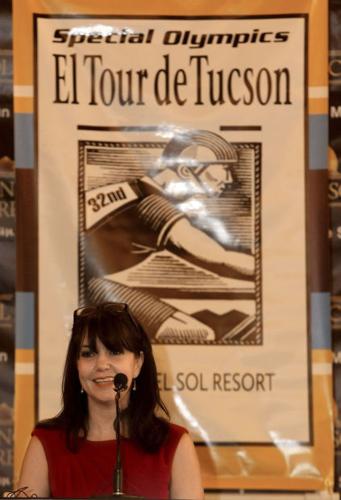
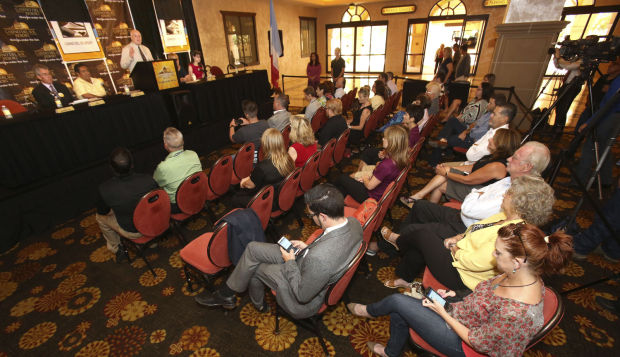
On Thursday, he stepped before a crowd at Casino del Sol Resort and pointed to a poster bearing the two words he says saved Arizona’s signature bicycle race.
Special Olympics.
The international charity has agreed to a three-year deal to sponsor the event DeBernardis founded three decades ago.
While financial terms were not announced, Special Olympics can sell the naming rights to a third party in the future. However, the Nov. 22 race will officially be called the Special Olympics El Tour de Tucson.
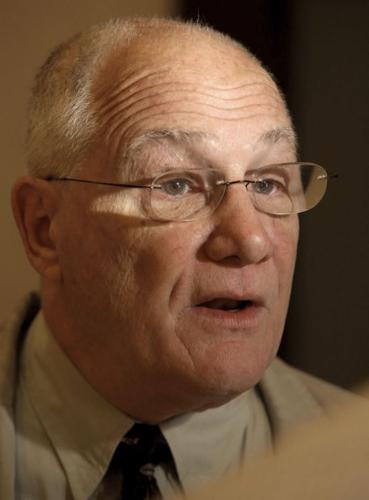
“It’s so great I just want to cry,” DeBernardis said. “It’s just unbelievable, awesome, all those kind of words.”
It’s also game-changing and, really, lifesaving, for the race.
“Their sponsorship is allowing us to go on,” DeBernardis said. “I’ll tell you what, El Tour would not exist today if it wasn’t for Special Olympics coming in and basically saving us. … They’re keeping El Tour going.”
The new sponsor replaces the University of Arizona Medical Center, which held naming rights from 2007 until 2012.
Last year, city and county officials helped to defray the cost for the event, which lacked a title sponsor. Special Olympics will also serve as the race’s main charitable beneficiary, receiving a portion of each rider’s race fees. Dozens of local charities will benefit from the race, an El Tour spokesperson said Thursday; Tu Nidito, which was El Tour’s primary beneficiary for 17 years, is one of them.
Thursday’s announcement was months in the making. El Tour had planned to announce the deal April 30, but canceled a scheduled news conference due to logistical issues.
“Wow. To say we’re thrilled is an understatement,” said Special Olympics chief development officer Kelli Seely, who flew in from Washington, D.C., for the announcement.
“We are just incredibly pleased to be chosen to be the beneficiary of the 32nd El Tour de Tucson. The funds raised by the cyclists in 2015 will make a tremendous impact on our ability to enhance the programs that we’re able to offer to our athletes, 4 million of them worldwide, 16,000 in Arizona.”
More than 8,400 riders took part in last year’s event, which was held in cold, rainy weather. That number could jump by more than 1,000 people, DeBernardis said, and soon to more than 10,000 riders.
“Then,” he said, “the sky’s the limit.”
“This organization is in 170 countries, so we’re going to be known in 170 countries within the next few years,” he said. “It’s going to take us a while to build up to get there, but I never thought in 1983 when I founded it that people would be talking about it in 170 other countries.”
With Special Olympics in the fold, “we’re done with the days where we raised $350,000,” DeBernardis said. He feels that El Tour might see days when it raises “$1 million, $2 million and, maybe one day, $10 million.”

