


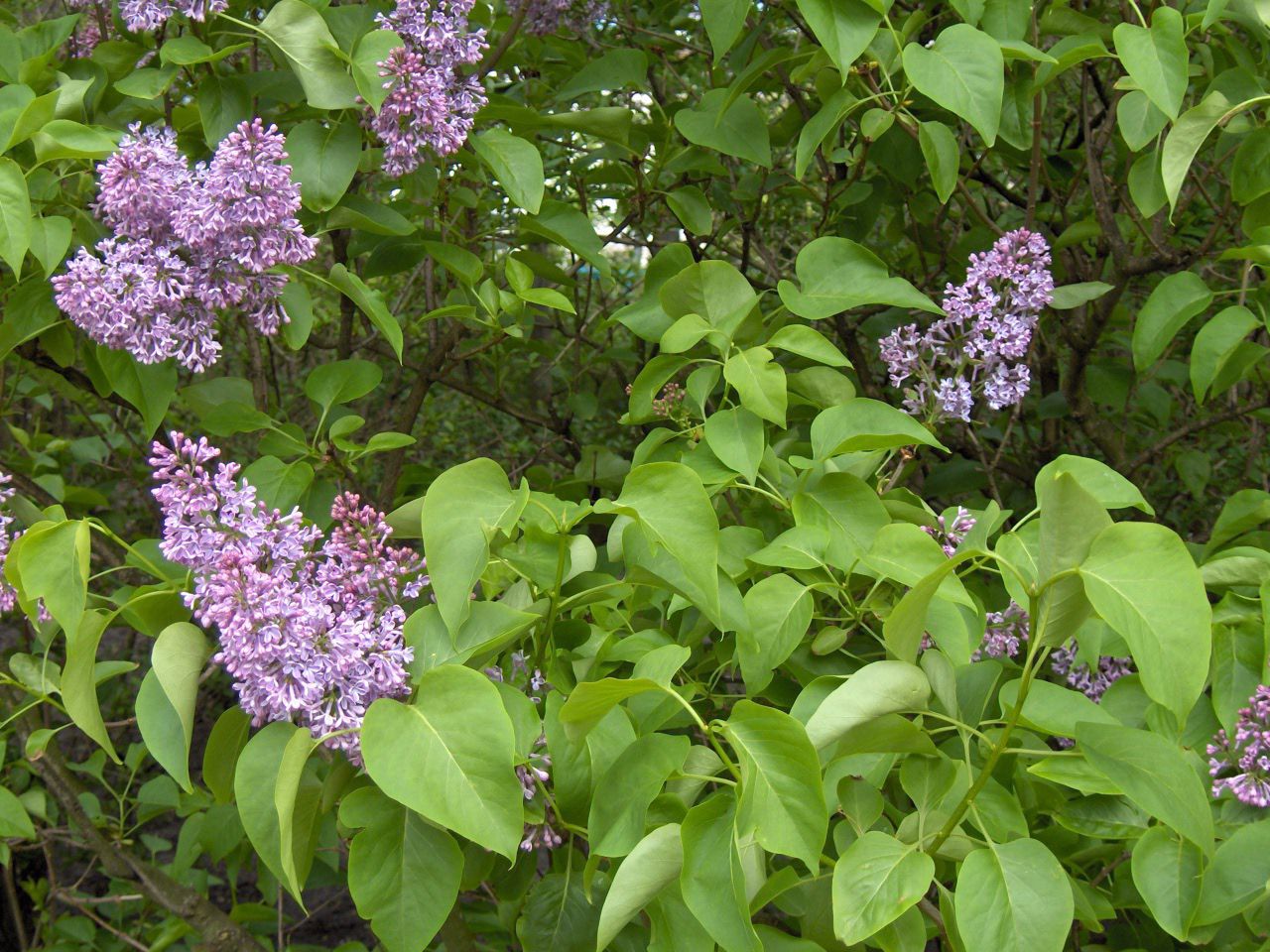
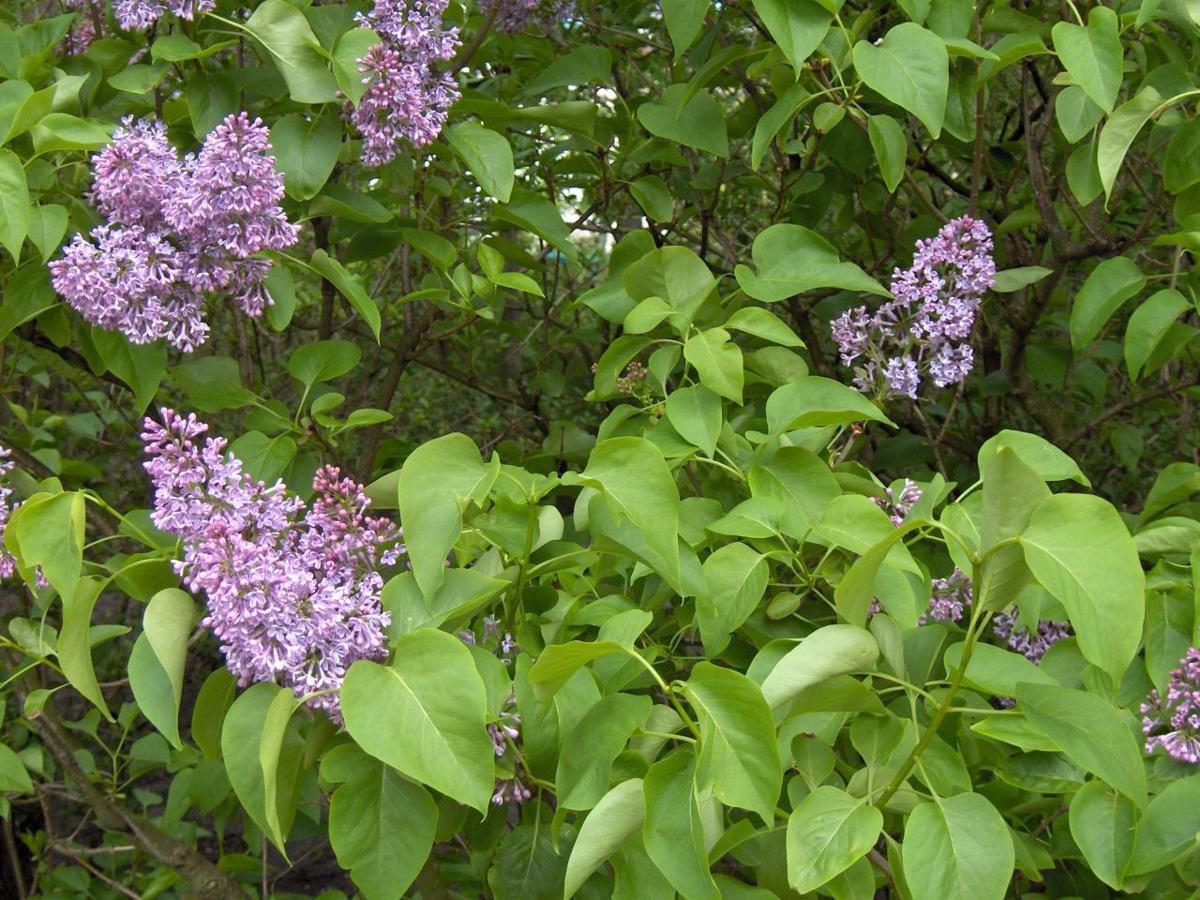
Q: I have two well-established lilac bushes that always did well with minimal care until about two years ago. I used to water them for 2 to 3 minutes every day, but stopped doing that at one point. When I realized that they were getting stressed I started watering them again — once a week for 20 to 30 minutes. That was a year ago. But they haven’t recovered. They’ve had mildew on the leaves for the last year or more. They grow well, but most of the leaves get mildew and wither up. Now I’m watering them every day for 2 to 3 minutes again. Am I overwatering now that it’s November? What can I do to help them recover at this point? The house is about 50 years old, we’ve been here 14 years, and so the lilacs could be quite old.
A: Non-native shrubs such as lilacs do best when watered infrequently and deeply. The recommended schedule is once every seven to 14 days in the summer to a depth of 24 to 36 inches. In the spring and fall you can reduce this to once every 10 to 21 days and in the winter every 14 to 21 days. Powdery mildew can be a problem in certain situations when the climate is suitable. Like any successful disease story, you need a susceptible host, the presence of the disease pathogen, and a suitable environment. If you were planting a new lilac I would encourage you to select a mildew resistant variety. To prevent an infestation, the first thing to do is remove any diseased leaves from the ground or on the plant. This will prevent the disease from overwintering nearby and spreading to new growth. Second, you can selectively prune your lilacs to provide space between the branches for air circulation and sunlight penetration. Dense areas will favor the infection. There are also fungicides you can use to spray the mildewed leaves. Choose a fungicide specifically labeled for mildew and spray according to instructions. Typically, they recommend beginning to spray when new leaves are emerging.
Peter L. Warren is the urban horticulture agent for the Pima County Cooperative Extension and the University of Arizona. Questions and photos may be emailed to tucsongardensage@gmail.com.

