



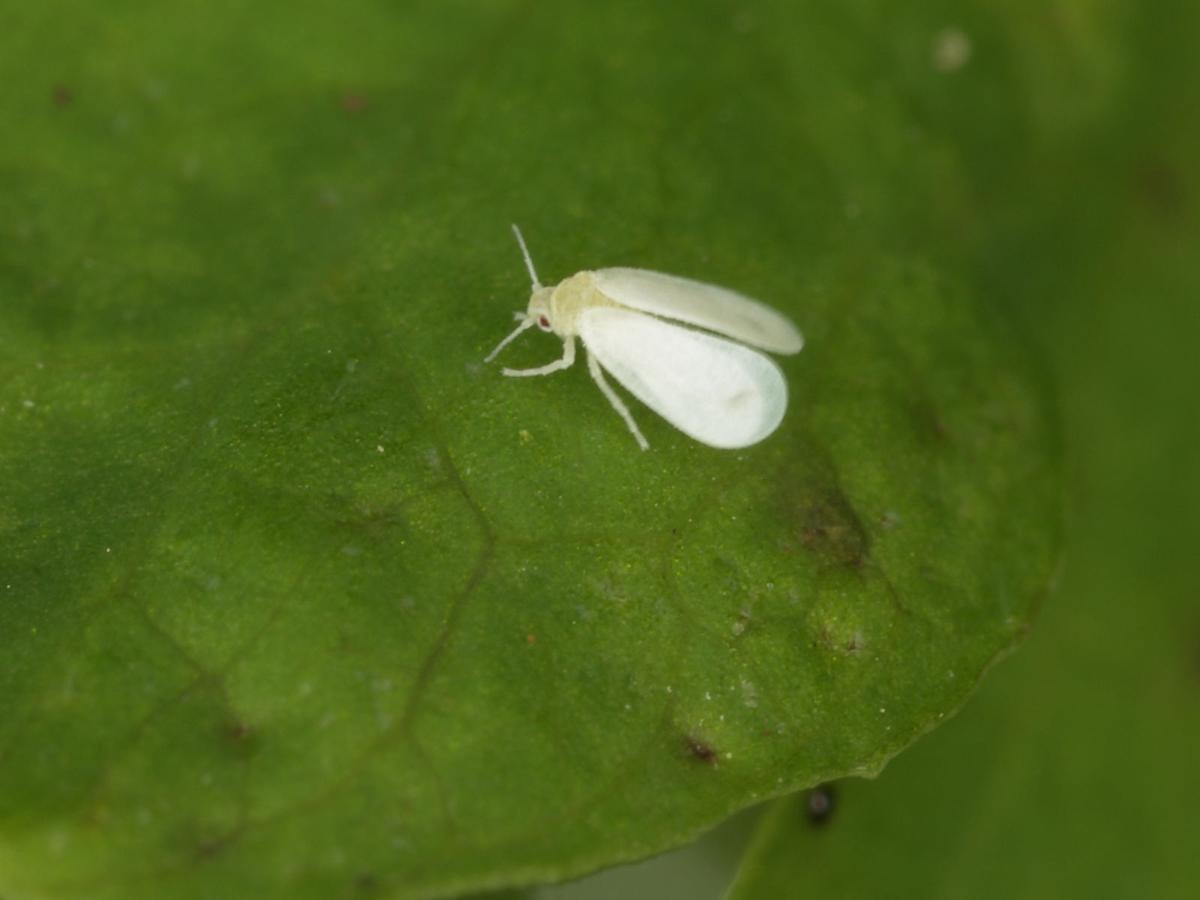
Q: We have several acacia trees that are about 12 years old. Our landscaper had described them as sweetgum acacia, but I am not sure if that is really what we have. They have grown up from an initial height of 5 feet to 15, but they are not looking healthy. Especially over the last five years, the leaves have gotten very sparse and they are often covered with small, white insects. Some of the branches have died and have no leaves at all. Our landscaper has repeatedly sprayed them with pesticide, but the white insects always return. These trees are irrigated with a drip system. Other neighbors all across Oro Valley seem to have the same problem . Also on our property we have other native acacias, which we did not plant and they are doing fine. They have the small orange-yellow colored balls and they have never been sprayed and they are not even irrigated. Should I just give up on these trees and replace them with mesquites, which seem to do fine here, or do you have other solutions for us?
A: It would be helpful to see the insects up close to be sure of the problem. Please let me know if you can bring a sample of infested leaves to my office or if I may stop by your trees and see them in person.
One likely possibility is that sweet acacias (Vachellia farnesiana) are occasionally infested with insects called whiteflies. They are very small white insects in their adult form. As immature insects they are wingless, darker in color and suck sap from the leaves, sometimes causing the tree to drop leaves prematurely. Repeated infestations can be hard on the tree, but in many cases the infestation is not severe and natural enemies reduce the population to tolerable levels. In recent years these whiteflies seem to be more common in the Tucson area, probably due to warmer weather.
Whiteflies in general have been a sporadic problem at our elevation, whereas in lower and warmer areas such as Pinal and Maricopa counties, they are a regular occurrence. I would be interested to know which insecticide your landscaper is using. There might be other options for pest management. I wouldn’t recommend giving up on your trees yet.
Peter L. Warren is the urban horticulture agent for the Pima County Cooperative Extension and the University of Arizona. Email questions and photos to tucsongardensage@gmail.com

