

Any visit to your neighborhood bookstore will remind you of the popularity of historical fiction, stories featuring real people from history or real situations from the past.
Historical novels are hardly new, but what distinguishes the genre today is the explosion of books featuring 19th- and 20th-Century women. Often written by woman authors, these books are finally filling the void left by traditional historians — most of whom were men.
Readers can easily find stories that connect to their own interests, and here to get you started are some recommended reads from the Tucson Festival of Books:
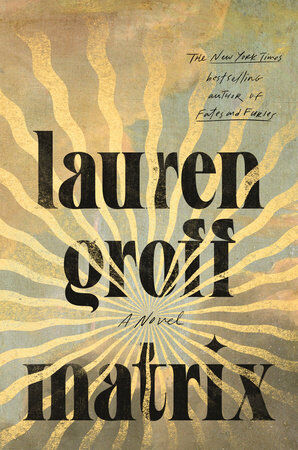
“The Matrix“ by Lauren Groff: Released earlier this month, “The Matrix” features 12th-Century poet Marie de France. At age 17, she was cast from the royal court by Eleanor of Aquitaine and sent to an impoverished abbey in England. There, the traits that were deemed unacceptable in high society helped her save the abbey from ruin. — Jody Hardy
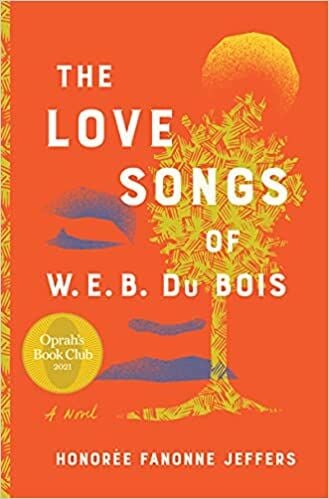
“The Love Songs of W.E.B. DuBois“ by Honorée Fanone Jeffers: Jeffers is a well-known poet who is making her debut as a novelist, and her book has become a semifinalist for this year’s National Book Award. “Love Songs” honors the memory of Black sociologist W.E.B. DuBois. DuBois wrote about “double consciousness,” the sensitivity all Black American need to survive. DuBois died in 1963. Double consciousness lives on today. — Jessica Braithwaite
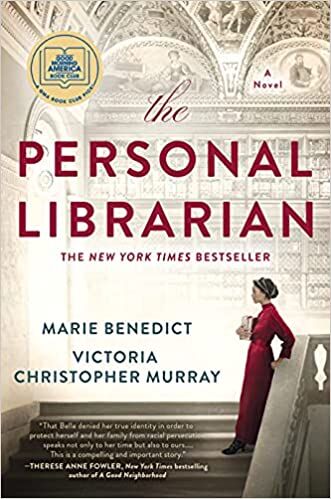
“The Personal Librarian“ by Marie Benedict: One of the summer’s most popular novels features J.P. Morgan’s personal librarian, Belle de Costa Greene. The billionaire hired Greene to curate his collection of rare manuscripts, books and artwork for the Pierpont Morgan Librarian. She became a fixture in New York society, but she had a secret: she was Black. — Lynn Wiese Sneyd
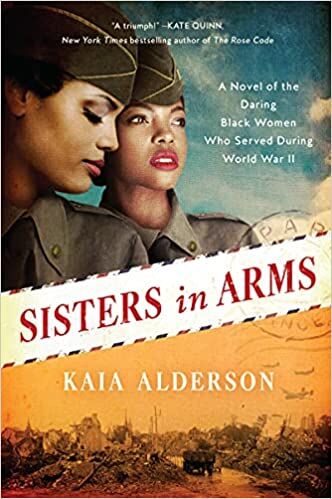
“Sisters in Arms“ by Kaia Alderson: This recent release looks at the true, untold story of the 6888th Battalion, the first all-Black unit in the U.S. Women’s Army Corps during World War II. The Army was segregated then. Soldiers didn’t much like the idea of women being near the front, either. Grace and Eliza somehow got their attention – and their respect. — Jessica Braithwaite
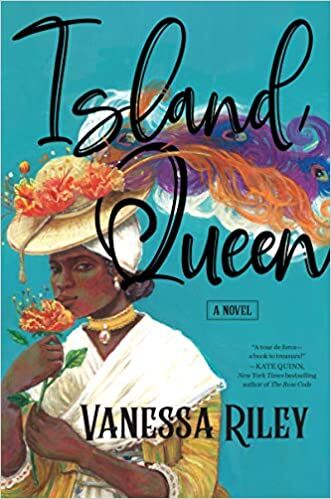
“Island Queen“ by Vanessa Riley: This is a sweeping historical novel based on the remarkable true story of Dorothy Kirwan Thomas. Thomas was born into slavery in 1756. She would become one of the wealthiest and most powerful landowners in the colonial West Indies. — Tricia Clapp
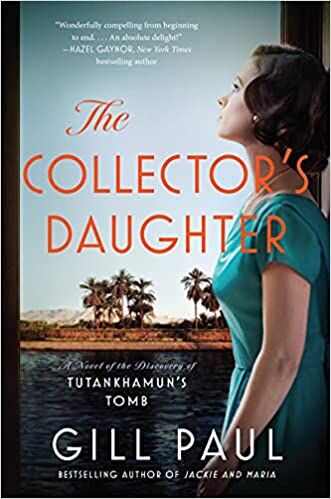
“The Collector’s Daughter“ by Gill Paul: This one features Lady Evelyn Herbert, who lived in the real Downton Abbey, Highclere Castle. She abandoned high society to follow her father’s footsteps and become a lady archeologist in Egypt. Lady Evelyn became the first person in 3,000 years to crawl into the tomb of King Tut. Need more? Her ensuing life didn’t go smoothly, and Lady Evelyn became Exhibit A in the legend surrounding the “Curse of Tutankhamun.” — Jessica Braithwaite
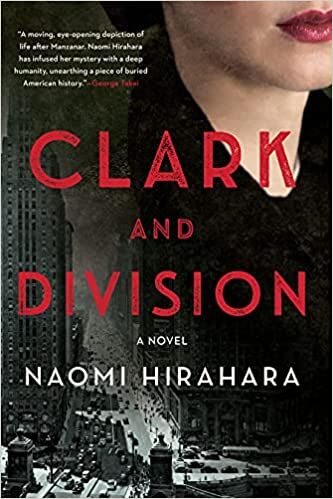
“Clark and Division“ by Naomi Hirahara: Hirahara’s novel follows a Los Angeles family that was forced into a Japanese internment camp in 1942 and then forced to move in Chicago when released two years later. The story features the family’s second daughter, Aki, who is determined to learn how her older sister died. — Bill Finley
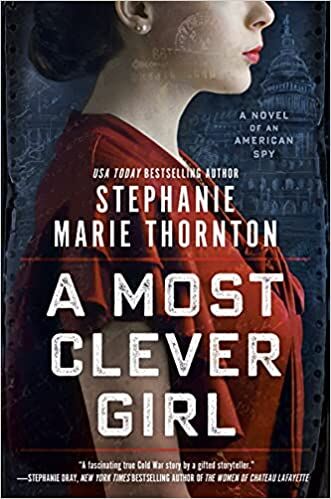
“A Most Clever Girl“ by Stephanie Marie Thornton: If you’ve been snooping around for a good “Spy vs. Spy” novel, Thornton introduces us to real-life double-agent Elizabeth Bentley. The story begins after President Kennedy’s assassination in 1963. Bentley, then spying for both the Russians and Americans, is called upon to solve a mystery only she can solve. — Jessica Braithwaite
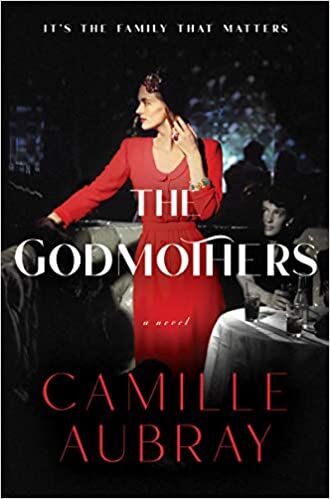
“The Godmothers“ by Camille Aubray: This is the story of four women who marry into a prosperous Italian family in Greenwich Village … and are forced to take over the “family business” when their husbands are drafted into World War II. It’s just your basic family portrait, right? — Jessica Braithwaite
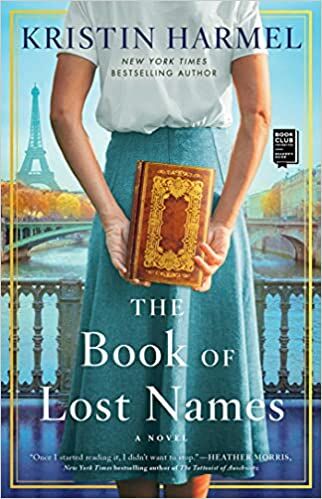
“The Book of Lost Names“ by Kristin Harmel: After its release last spring, this historical novel became one of the summer’s biggest hits. Inspired by a true story, it features a young woman whose skills in forgery helped hundreds of Jewish children escape the Nazis during World War II. Later, in semi-retirement, the same woman is called back to a life she thought she’d left behind. — Bill Finley

