


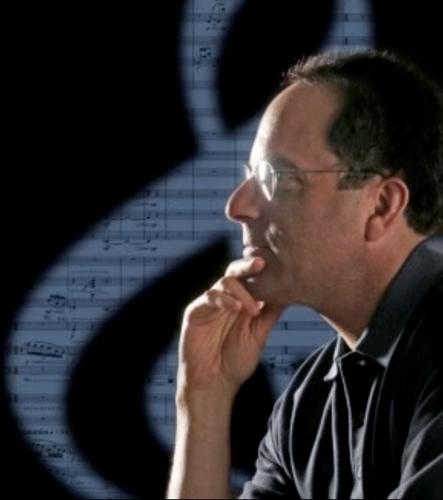




It’s taken 18 years, but Tucson composer Dan Asia will finally see his first and possibly only opera come to the stage.
The New York City-based opera company Teatro Grattacielo will present the world premiere of Asia’s “The Tin Angel,” which he wrote with the late poet/novelist Paul Pines.
“To start in New York,” Asia said with a pinch-me-I-can’t-believe-it’s-finally-happening tone. “I couldn’t be more excited.”
The company, which champions lesser-known or new operas, will perform “The Tin Angel” on Saturday and Sunday, June 28-29, at the La MaMa Experimental Theatre Club, which is a springboard for new works and artists.
Asia will be in the audience for the performances, which will feature 32 performers and a creative team of a dozen, including the director, conductor and lighting and stage techs.
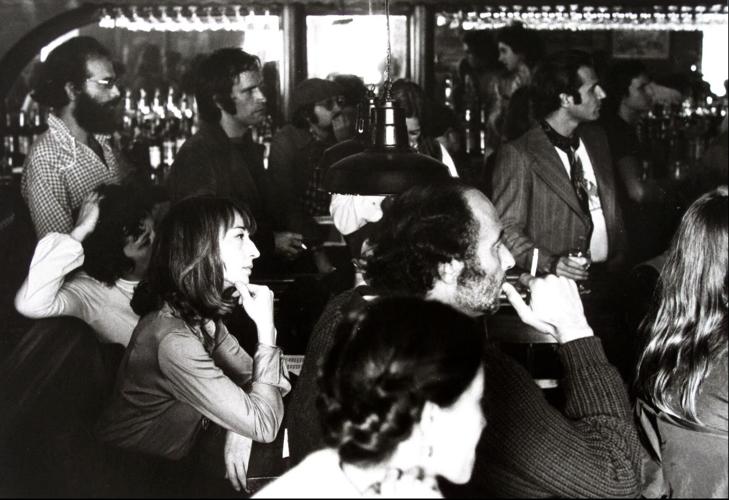
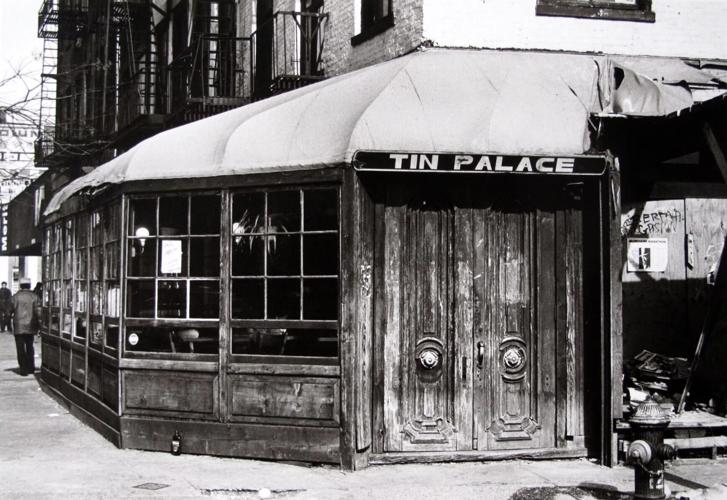
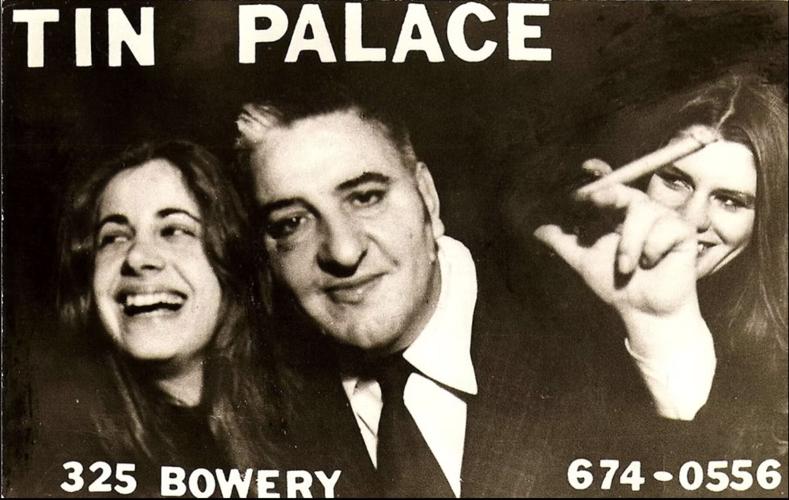
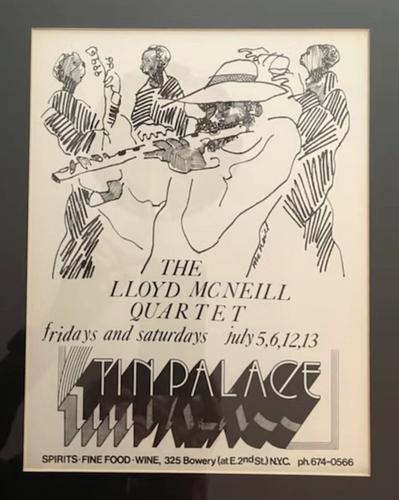
The opera is based on Pines’ 1983 novel “The Tin Angel,” which was inspired by the Tin Palace jazz club that Pines, a lifelong jazz fan, opened in 1970 on the Bowery in New York’s East Village. The club became a significant player in the city’s jazz scene, drawing a wide range of jazz styles including classic, Afro-Brazilian and avant-garde jazz artists.
Pines ran the club until 1976; it closed in 1979.
Asia had met Pines at a New Hampshire writers’ retreat in late 1978 and collaborated with him for more than 25 years on song cycles based on Pines’ poems.
Around 2005, Asia, whose extensive catalogue includes six symphonies, string quartets, concertos and chamber works, suggested the pair collaborate on an opera; Pines offered “The Tin Angel” as the perfect story and agreed to write the libretto.
“It’s kind of a tragic comedy,” Asia explained days before he left for New York City last week. “It’s a murder mystery.”
The story follows jazz club owners Pablo and Ponce, who are determined to keep the club running. When Ponce is killed in a drug deal that he had hoped would give the club a financial cushion, Pablo navigates his grief against threats from drug dealers, gangsters, corrupt cops and a Bahamian drug runner named Black Hattie.
The opera is populated by interesting characters, from Ponce’s estranged sister, to a mysterious underworld figure and a young son he never met. There are backroom confessions, ghostlike visitations and George, an anti-Vietnam War protestor who thinks an easy way to make some money is to smuggle cocaine into New York in cases of jarred pickles heading to restaurants throughout the city.
“It’s funny as hell. And he’s somehow involved in all this,” Asia said. “It’s about all of these people trying to save the Tin Angel because it’s a place of creativity where new things happen, and where people understand that music is something that brings them all together, and, in fact, brings them some sense of redemption, of finding out who they are and what their souls are all about as human beings.”
In program notes, Teatro Grattacielo called “The Tin Angel” a “grand opera in the tradition of Aaron Copland, Samuel Barber and Carlisle Floyd, great American composers who incorporated popular folk songs and jazz styles into serious works with an unmistakably American flavor.”
Asia described his music as an “an amalgam of everything that is in American music, of classical and jazz and popular music.”
“My music is not jazz, but my music is affected by jazz and pop and the classical tradition,” he added.
Next weekend’s world premiere comes seven years after Pines died of cancer in 2018; he was 77.
The 72-year-old Asia, who retired in 2024 from a 35-year University of Arizona teaching career, said “The Tin Angel” is “my first opera, and it’ll probably be my only one.”
“I’ve been working on this for so long and trying to make it happen,” he said. “This is the most exciting thing that’s happened to me in 20 years.”

