

'James'
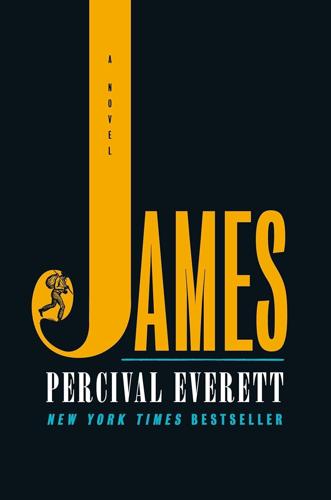
By Percival Everett
“James,” a spin on “Huckleberry Finn,” does just about everything a novel can do. It starts with the provocative idea that Huck’s enslaved pal Jim (who prefers to go by James) was much smarter and better educated than anyone knew. “James,” which closely follows events from Mark Twain’s original story, finds the title character on the lam after he’s accused of murder in a page-turner that features vivid characters, breathless plotting, wizardly experiments with point of view and a moving conclusion. Expect lots of awards for “James.”
'Time of the Child'
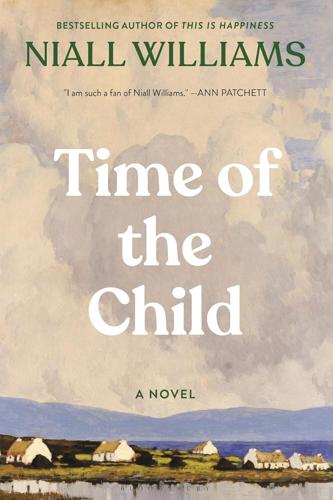
By Niall Williams
We don’t get new novels from the “Four Letters of Love” and “This Is Happiness” writer as often as I’d like, but when they appear, they always are worth the wait. “Time of the Child” returns to the fictional Irish village of Faha, where many of Williams’ works are set. Its main characters are a 70ish doctor and his adult daughter, who lives with him in a home that also houses his medical practice. Their lives are upended by the discovery of an abandoned child, whom they secretly care for while not looking very hard for a permanent home for the baby. “Child” wears its magical realist flourishes lightly and finds unexpected, moving ways to figure out what’s best for a bunch of people in an impossible situation.
'Headshot'
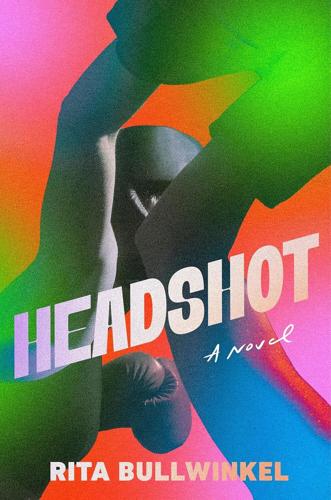
By Rita Bullwinkel
Don’t care about boxing. Don’t know many teenage girls. Not interested in Reno, Nev. All of these things are true of me and they’re crucial to “Headshot,” but that just goes to show how sometimes the book you need is one you’d never think of. Each chapter in “Headshot” covers a different bout in a round-robin boxing tournament for adolescent girls, and Bullwinkel dives deeply into their minds. We learn what they’re thinking when they box, whether they like boxing, what drew them to the sport/might make them quit, what they think about their opponents, as well as what troubles them about their families and friends. By the end of the book, you feel like you know the contestants intimately — and like these pugilists are not as different from you as they seem.
'Table for Two'
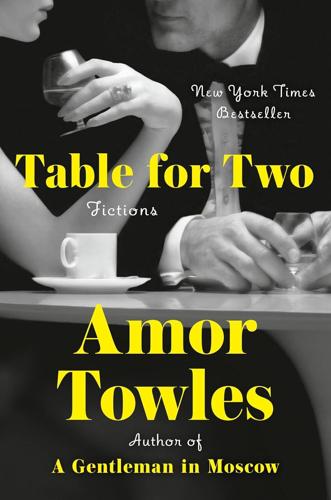
By Amor Towles
It’s my new favorite Towles book, and that’s saying something since his “A Gentleman in Moscow” was a blockbuster and his “ The Lincoln Highway” was a they-don’t-write-’em-like-they-used-to gem of an adventure. These seven cinematic tales introduce us to endearing and confounding people like the title character of “The Ballad of Timothy Touchett,” who accidentally becomes involved in plagiarism and fraud. Or small-time actor Evelyn, who was in Towles’ snappy “Rules of Civility,” and returns for a novella in “Table” that’s called “Eve in Hollywood.” Most of the stories nod to screwball comedy and other movie genres of the ‘30s, but “Eve in Hollywood” is an atmospheric dive into ‘40s film noir. Each of the tales is so rich that it feels like “Table” is giving you seven books in one handsome package.
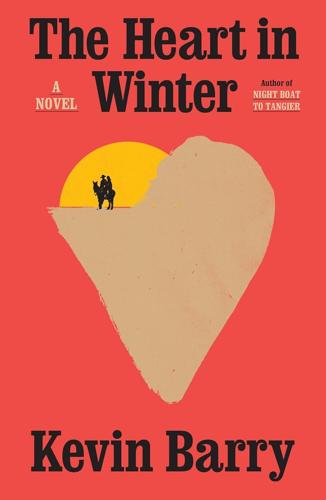
'The Heart in Winter'
By Kevin Barry
Somehow, I had never read any of Barry’s rambunctious fiction (which includes “Night Boat to Tangier”) until I picked up this compact marvel, a western powered by both romance and a critique of colonialism. Our “Heart in Winter” hero is a reprobate who bums around late 19th-century Montana, vowing to walk the straight and narrow while frequently blacking out from too much drink. Maybe the love of a good woman will help him? He finds out when he instantly falls for a mail-order bride and resolves to: A. Rescue her from her husband-to-be, and B. Make her his. They take off for San Francisco, with lawmen and outlaws on their trail. Barry’s book moves like crazy, with one adventure after another to help the pair (and readers) confirm that their love is both real and really dangerous.
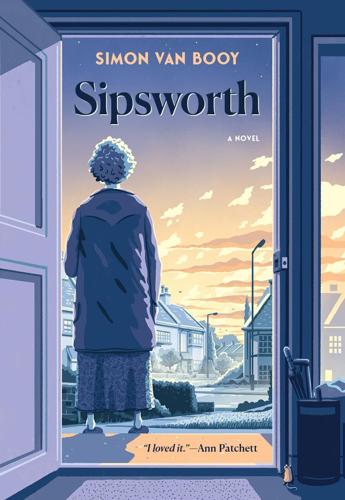
'Sipsworth'
By Simon Van Booy
The quietest, sweetest book on this list feels like it could have been written at any time in the last century. It’s about an English widow who seems to have lost the will to live until she unwittingly lets a mouse (the title character) into her life. As they become pals, Van Booy (a noted author of books for children) reveals surprising things about both of them, reminding us that we may think we know what’s going on with random people we encounter but we are seldom right. Funny, poignant, warm and perfect with a cup of tea.
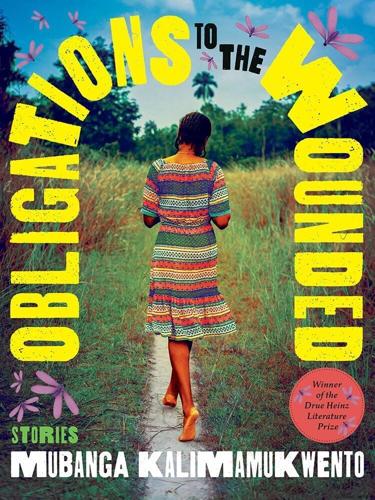
'Obligations to the Wounded'
By Mubanga Kalimamukwento
Kalimamukwento's stories sneak up on you. Her characters — like a woman who travels to Zambia to visit her mother on her deathbed and finds that protecting herself trumps family ties — behave in ways that may seem inexplicable until the perfect detail helps us figure out where they’re coming from. These are tough stories, full of physical and emotional violence, but Kalimamukwento’s unflinching gaze and unexpected wit help us appreciate her characters’ often impossible dilemmas. Even when their situations are so extreme that they’re difficult to relate to, their humanity shines through.
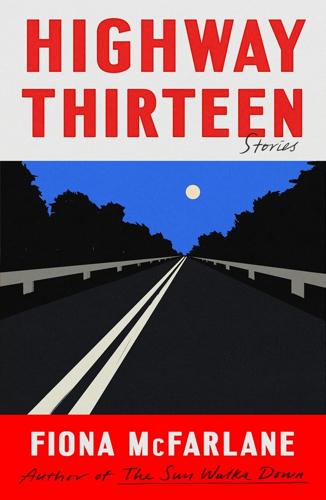
'Highway Thirteen'
By Fiona McFarlane
An Australian serial killer lurks behind all of the linked stories in McFarlane’s chilling collection but it’s not a serial killer book in the way “Silence of the Lambs” is. A few of the stories have suspenseful elements but they’re mostly tense melodramas about the variety of ways a crime filters into the lives of people who are tangentially affected by it: What happens to the family whose house is across the street from the killer’s? How does the victim who escaped carry on living? McFarlane’s characters explode off the page to assert their messy, confounding existence.
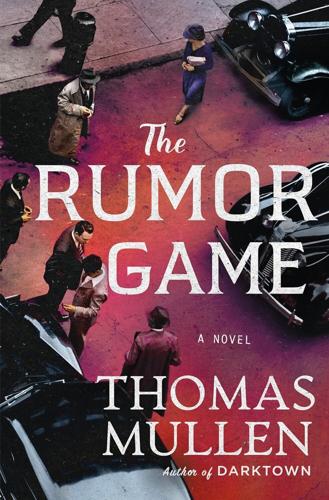
'The Rumor Game'
By Thomas Mullen
Few 2024 books were as much rip-roaring fun as this Boston-set thriller about two loners whose lives are upended by World War II. Anna, who is Jewish, feels intimately connected with the cause of the war and is frustrated that she’s stuck writing human interest stories when there’s more important stuff going on. FBI agent Devon, an Irishman, is investigating mob attempts to derail the war effort. Of course, they fall for each other. Of course, their individual investigations into illicit activity give them reason to be suspicious of each other. Mullen unspools a good, old-fashioned yarn that keeps you on the edge of your easy chair.
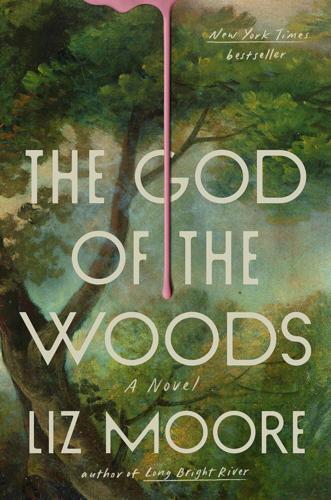
'The God of the Woods'
By Liz Moore
“God of the Woods” reflects on privilege and injustice as its characters try to get to the bottom of disappearances in two timelines: A boy named Bear vanished at a summer camp many years before the novel’s present day and now his adolescent sister has gone missing. There are plenty of suspects: The kids’ wealthy family is jam-packed with pervs, a townie behaved suspiciously after Bear vanished and there’s talk of an escaped killer who may stalk the woods near the camp. Moore has enough surprises to craft a satisfying mystery but she also gets to the bottom of power structures and money that can connive to make small-town justice impossible to achieve.




