

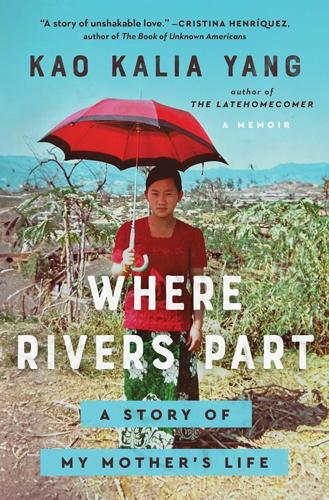
'Where Rivers Part'
By Kao Kalia Yang
The St. Paul, Minnesota, writer had an astonishingly productive year, publishing four books aimed at various age groups. The best was her memoir of her mother, a companion to “The Song Poet” (about her father) that goes back to her mother’s youth to trace her astonishing story of survival — through multiple miscarriages, life in a refugee camp, marital woes, unsafe living conditions and more. As we’ve come to expect from Yang, the writing is lyrical in this beautiful, courageous book. (And, by the way, the title refers both to the Laotian village where Lang's mother, Tswb — prounounced “Chew” — grew up and their eventual home in St. Paul.)
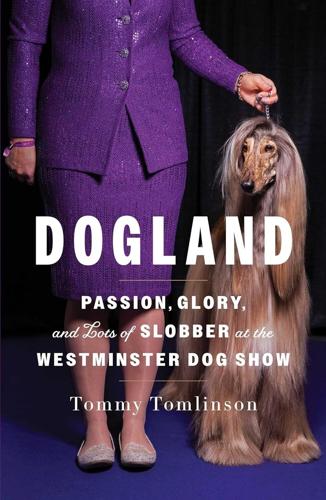
'Dogland'
By Tommy Tomlinson
Although it starts out as a behind-the-scenes peek into dog shows, “Dogland” ends up being much more. Tomlinson writes that he began wondering if “dogtestants” in pageants like the Westminster Kennel Club Dog Show were having a good time, and although he comes up with no definitive answers to that question, he reveals a lot about what dogs mean to us and what we may mean to them. Tomlinson’s book works both as a wry, zinger-filled look at a world that’s not so far from “Best in Show,” the movie that parodied it, and that makes you cry with his insights into what makes the dog/human bond so special.
'The Siege'
By Ben Macintyre
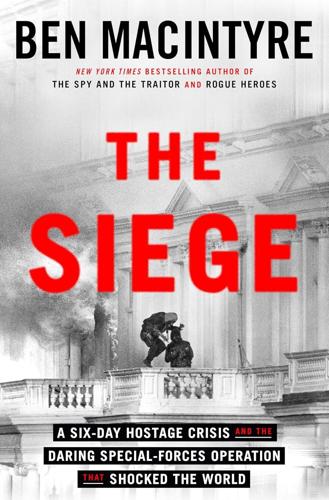
Macintyre’s book is an account of a hostage crisis at the Iranian embassy in London, during the same time period as the better-known Iran hostage crisis at the American embassy in Tehran. Macintyre, whose books usually focus on World War II spycraft, offers a minute-by-minute account of what was happening in the embassy, where inexperienced terrorists wavered on their demands, frightened hostages feared for their lives and authorities worked to plant rescuers in neighboring buildings and on the floors above the embassy. Macintyre keeps the tension on high for the entirety of this gripping, real-life thriller.
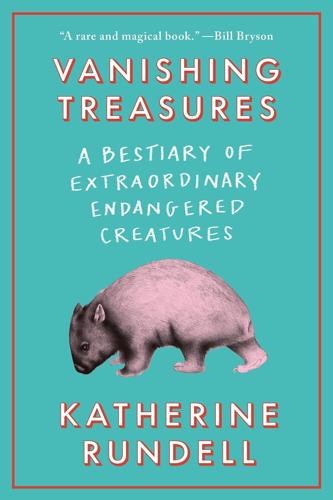
'Vanishing Treasures'
By Katherine Rundell
The accent is on wonder in Rundell’s 23 delightful essays about incredible creatures that we should take better care of. Rundell is a witty, fluid writer, and although her book often looks to the past, her writing feels ideal for the present moment. Here, for instance, is Rundell on why she finds long-lived sharks so hopeful: “They will see us pass through whichever spinning chaos we may currently be living through, and the crash that will come after it, and they will live through the currently unimagined things that will come after that: the transformations, the revelations, the possible liberations.”
'Hip-hop Is History'
By Questlove, with Ben Greenman
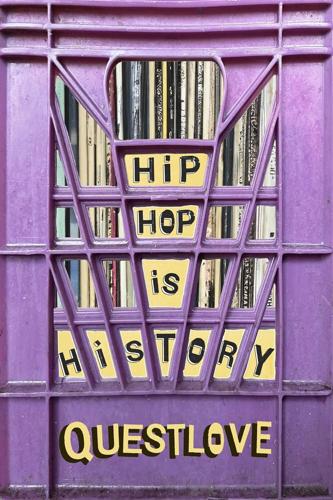
The Oscar and Grammy winner is saying that much of what he has always loved about hip-hop is no longer true and that the deeply American art form is a great way to trace the history of the past half-century. “History” is jam-packed with sweet anecdotes from Questlove’s childhood, when he first fell in love with the music (his parents were musicians) and began trading mixtapes with other Philadelphia kids, many of whom would also grow up to be giants of hip-hop. Questlove seems to have listened to everything ever recorded. The best evidence of this is the 16-page appendix, called “Hip-hop Songs I Actually Listen To,” which is like having a pal telling you what tracks you need to hear.
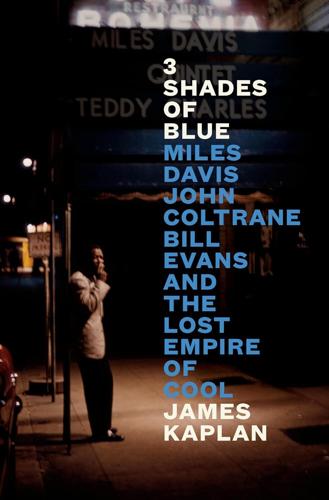
'3 Shades of Blue'
By James Kaplan
The title is slightly deceptive; one might expect a history of the making of “Kind of Blue,” the bestselling (for good reason) jazz album of all time. That album was credited to trumpeter Miles Davis, but its roster was packed with big names, including the two other legends that Kaplan focuses on: sax player John Coltrane and pianist Bill Evans. There’s a little behind-the-scenes intel on “Kind of Blue” in “3 Shades,” but it’s more interested in tracing what brought the men to the moment of inspiration and what they did to follow up that masterpiece. Kaplan has packed this book with stories of artistic triumphs and personal tragedies.
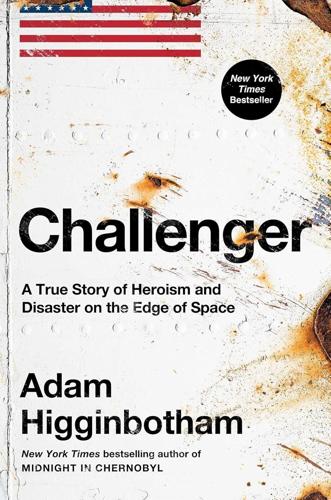
'Challenger'
By Adam Higginbotham
The “Midnight in Chernobyl” writer is back with another detailed, humane account that rescues meaning from tragedy. Higginbotham tells us the stories of all the people who died in the 1986 explosion of the space shuttle Challenger (not just teacher Christa McAuliffe, although Higginbotham has surprising insights about her, too). He also traces the decisions that led to the tragedy and steps back to see how the Challenger disaster continues to affect decisions currently being made about space exploration. Higginbotham concludes that, although the tragedy shocked the world, it was eminently preventable and it has changed the way Americans see themselves.
'Feeding Ghosts'
By Tessa Hulls
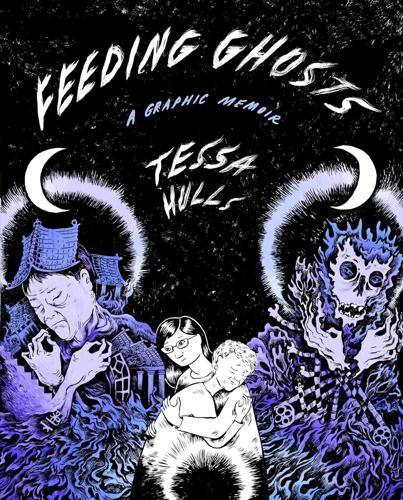
It can be a little intimidating diving into Hulls’ graphic memoir. Each page is densely packed with information. But a little patience is rewarded with a gorgeous and shocking tale of generational trauma. It begins with the author trying to figure out how she connects to the Chinese heritage both her mother and grandmother believe she disdains. But it becomes a moving story of multigenerational forgiveness as Hulls digs into her family’s secrets. No spoilers here, but all three women have more in common than they realize, and it takes a triumphant work of art — specifically, the one we are reading — to help them understand that.
'Circle of Hope'
By Eliza Griswold
There are intimate details on just about every page of Griswold’s account of a Philadelphia church that is reckoning with injustice in the wake of the murders of George Floyd and other Black men at the hands of police. Griswoldpractices immersive journalism, essentially embedding herself with a group of people for an extended period of time. Griswold shifts between the points of view of four pastors, who increasingly find themselves divided by the very things they’re trying to grapple with in their sermons: injustice, sexism, identity, racism. Griswold shows us that the pastors were in agreement on most things but couldn’t effectively communicate that to one another.
'Strong Passions'
By Barbara Weisberg
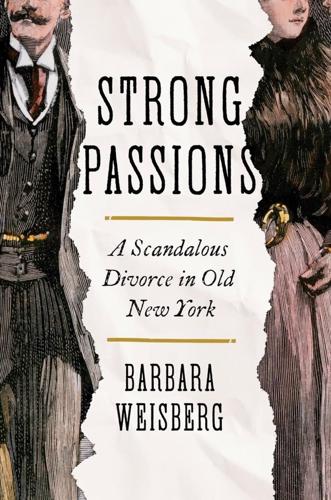
“Strong” focuses on a tiny, long-ago story that would not seem to have left much of an impact: the collapse of the marriage of Peter and Mary Strong, who stopped loving each other more than 160 years ago. Fortunately, they left behind lots of letters and said many foolish things in court — all of which Weisberg spins into a look at the things that can lead to a marriage’s failure and the ways our society has become at least a little smarter about grappling with human foibles (in the Strongs’ day, decisions on whether a couple could divorce were not up to them but to a jury).




