



Over the years, I’ve observed that there are three types of cooks.
One is the totally seat-of-the-pants cook, who takes pride in being creative by combining random ingredients yet doesn’t understand how flavors work with or against each other. I’ve had some magnificently awful meals with cooks like this — “I had this aging broccoli in the refrigerator, so I steamed it for an hour and tossed it with some melted milk chocolate and a little dill, and here you go!”
Another is the cook who’s strictly recipe-driven, who buys only the ingredients that the recipe specifies and plans to follow a recipe they’ve found to the letter (or their more common variant: alters it to suit their taste). Because their cooking knowledge is rudimentary, they don’t know how to read a recipe and know if it will work or not. There’s a running joke among food writers about this kind of cook, the one who says, “I followed your recipe for classic beef Wellington to the letter, except I substituted tilapia for the beef, skipped the pastry because it was too much trouble, and replaced the duxelles with shredded American cheese. Your recipe was terrible!”
The third type is the cook who is at ease in the kitchen, and who can look at those ingredients with a critical eye. This cook considers the meal as a whole, is knowledgeable enough to understand how flavors complement each other, and has mastered enough technique to know how to achieve the dish she wants. (If you want to learn more about complementary flavors, I recommend “The Flavor Bible” by Andrew Dornenburg.)
I want you to be this marvelous third type of instinctive cook. I try to help you do that with every recipe I write.
Today, I’m going to show you how to apply that critical thinking, and the kinds of questions you can ask yourself to help you find your way.
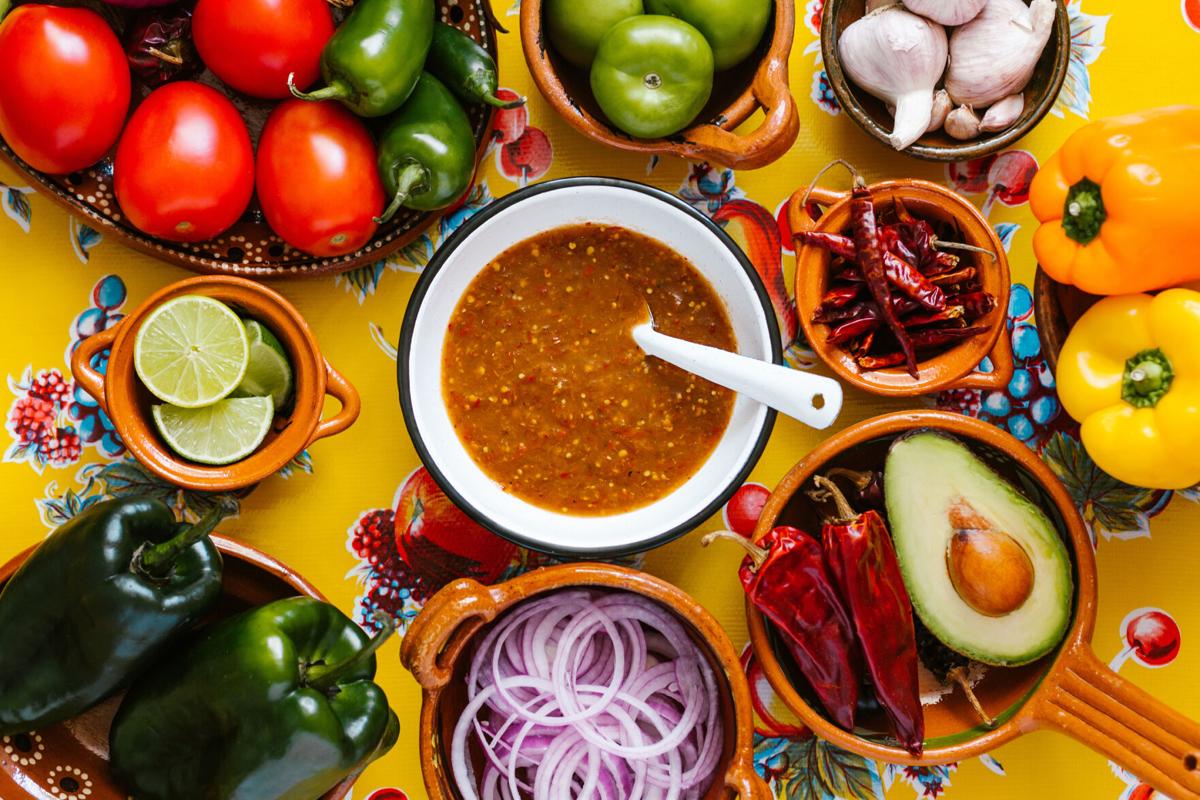
We’ll use the same ingredients to make two very different salsas, and you’ll decide which one is right for whatever else will be on the plate.
The first is a salsa cruda, a bright, fresh, uncooked salsa. Its flavor will vary depending on the chiles you use, which acid feels right to you, and the aromatic herbs you add to deepen its appeal. It may be lively with lime juice and spicy chiles and cilantro, or it can be more modest, with milder chiles, lemon juice and a mix of cilantro and parsley to tone down its herbaceous punch. It can be chunky enough to eat with chips or puréed into a silky sauce.
The second is a salsa cocida, a cooked salsa. Roasting the tomatoes and other vegetables and the chiles, or toasting the chiles if they’re dried, gives the salsa some smokey notes. Your salsa will be a little sweeter because roasting caramelizes the sugars in the ingredients. You’ll need a heavier hand with the acid and the herbs so they can hold their own against the deeper flavors of the other ingredients.
How do you decide which to make? Well, that depends on the rest of the meal. A smokey, charred, lean protein like grilled pork, fish or chicken probably wants a fresh salsa, while a poached or baked lean protein will benefit from the more complex cooked salsa. Beef is its own category; I almost always want a cooked salsa to go with beef’s heartier flavor and texture.
So gather your ingredients and make up your mind. Here we go!
Same ingredients, two salsas
Makes about 1½ cups salsa
I’ve given directions here for both raw and cooked salsas. Please read the recipe carefully before you begin.
Ingredients
- A mix of a dozen or more fresh and dried chiles, more if the chiles are small
- One softball-sized sweet white or red onion, diced for salsa cruda, left whole for salsa cocida
- 3 Roma-type tomatoes, finely chopped for salsa cruda, halved for salsa cocida
- 2 cloves garlic, minced for salsa cruda, peeled and left whole for salsa cocida
- The juice of two limes or 1 lemon
- Fresh cilantro and parsley, minced
- Ground cumin, to taste
- Salt, to taste
Preparation
Rehydrate any dried chiles by soaking in hot water until soft. Finely chop the chiles. Leave the seeds and ribs in if you want full heat or remove them to soften their ferocity.
For salsa cruda, combine the chopped chiles, onion, tomatoes, garlic, citrus juice and minced herbs in a bowl. Season to taste with cumin and salt and serve.
For salsa cocida, toast the chiles, onion, tomato and garlic on a heavy comal or skillet until charred, or put everything on a baking sheet and broil until the vegetables begin to char. Remove from heat and allow to cool. Chop everything coarsely or more finely before adding the citrus juice and fresh herbs. Season to taste with cumin and salt and serve.

