



Question: Is there a list of fruit trees that grow in Tucson? I am specifically interested in peaches, apricots, cherries (sweet and sour), and apples? If they need a pollinator, which varieties do best together?
Answer: Yes, there is a list. Our publication on “Deciduous Fruits & Nuts for the Low Desert” (http://ag.arizona.edu/pubs/garden/az1269) contains that and more. You will notice that the trees that do well in the low desert of Tucson, such as Anna apples, Katy apricots and Santa Rosa plums among others, are marked. There is a link to the pdf version that has a nice chart showing when they are harvested and if they require cross-pollination.
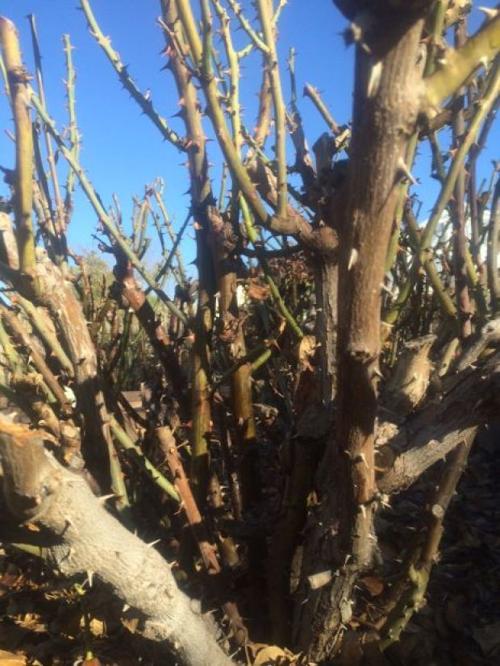
Question: Can I safely feed my roses now? I did a major winter pruning last month, mulched and covered them during the cold weather, and have watered deeply twice a week since then. They are putting out new growth. Do they need more recovery time before I give them slow-release fertilizer, Epsom salts and chelated iron? They are mature roses, in the ground in central Tucson.
Answer: You can safely fertilize your roses once they start leafing out and we get through the cold weather. We typically recommend pruning in mid to late January and beginning fertilizing in mid-February to hopefully avoid freeze damage on the new growth.
Question: How can I get rid of these grubs? They killed our veggie garden last year. I’ve heard about nematodes but is there something else to make sure they don’t come back and destroy our hard work. We searched in our dirt last year and would get about two 16-ounce containers full of these things every day for almost a week. We dug around in other parts and either found one or two or none at all. We started digging up and planning our veggie garden for this year and have already found two.
Answer: The grubs are scarab beetle larvae and they’ve had a good run in the last few years, partially based on warm winters and good precipitation, or good irrigation. There is no way to stop them from coming back but understanding their life cycle will allow you to reduce their population. The adults will lay their eggs in the soil near food plants in the summer so you could potentially plant your vegetables in another spot and they won’t have anything to eat when they start looking for food in the spring. Once they hatch, these grubs need moisture to grow through their immature stages. The most vulnerable stage in their life cycle is the youngest grubs so it is this life stage or phenophase that we want to attack. Because these grubs are so common and numerous it is best to use an integrated pest management (IPM) approach that may include parasitic nematodes, sifting through the soil before planting to remove the grubs, crop rotation, and insecticides (organic or not). Working together like a team, these tactics can manage the grubs to effectively reduce their population and minimize the damage to your plants.
Question: I understand that the first fertilizing of the season for citrus trees is Valentine’s Day. However, given our warm weather, projected to continue for at least the next week, would it be advisable to move the date up?
Answer: Yes. Valentine’s Day is really just a day that is easy to remember that is based on the expected growth stage of citrus at this time of year. Since we seem to be jumping into spring on Groundhog Day, despite the advice from Punxsutawney Phil, it makes sense that the plants will respond accordingly and having the fertilizer available for their early growth is a good idea.

