



Tucson’s Police and Fire departments have asked the City Council to approve nearly $150 million in new vehicles, equipment and facilities that would be paid for by a proposed half-cent sales tax up for voter approval in May.
On Dec. 20, the council approved City Manager Mike Ortega’s plan to split the sales tax revenue between public safety needs and road repairs, with 60 percent of the anticipated $50 million in annual revenue to be used for public safety capital needs.
During the Jan. 24 meeting, the council will be discussing how the money will be spent and voting whether to approve the Public Safety Capital Reinvestment plan prepared by Ortega’s office. How the city allocates the money could change before a final vote is taken.
The bulk of the expenses will go toward improvements for the Tucson Fire Department, which has asked for $89 million over the next five years to replace vehicles and equipment and to repair and rebuild aging fire stations.
Nearly $27 million of the department’s requested funds will be dedicated to rebuilding five stations across town, including one near Campbell Avenue and East Broadway that is involved in a national study to determine whether the building is exposing firefighters to toxic levels of known carcinogens.
“Fire station 3 was built in 1953, so it’s our oldest fire station,” said Assistant Fire Chief Joe Gulotta. “It’s serving a very important part of the community right there in the UA area, and it’s a very busy station. And there’s not a whole lot we can do to renovate it anymore.”
The other four stations were built between 1965 and 1983, and most were initially designed for fewer personnel and vehicles. If the plan is approved, the renovations will include adding workout rooms to the stations.
“Right now, our crews are working out doing their physical exercise on the apparatus floor with all the diesel and exhaust fumes, which is just a recipe for cancer,” he said.
Also included on the department’s list of needs is 70 “fire apparatus” vehicles, which include pumper and ladder trucks, paramedic units and special purpose vehicles, at a cost of nearly $39 million.
The department’s replacement threshold for large apparatus and paramedic vehicles is 100,000 miles or 10 years of service, and 68 percent of the pumper fleet is over the threshold, Gulotta said. The ladder fleet isn’t faring much better, with 42 percent over the threshold, and 90 percent of paramedic vehicles are due to be replaced.
The proposed plan will provide 20 new pumper trucks, several types of ladder trucks, 12 paramedic units and other specialized vehicles. The department is also asking for another 98 non-specialized vehicles, adding $6 million to the total.
To come up with the department’s immediate needs, Gulotta pulled together details on each fire station and fleet vehicle, and re-evaluated the state of the department’s facilities and equipment.
“We had to look at what our needs are and what are future needs were going to be, because we didn’t want to put money into an area or station that we may be going in a different direction on,” Gulotta said. “But we haven’t added this kind of level of detail for a long time.”
The Tucson Police Department says it has $53 million in capital needs, including more than 550 new vehicles. The $21 million price tag will provide more than 250 marked and 160 unmarked vehicles to its aging fleet, as well as 24 motorcycles and 11 specialized vehicles.
The department previously said the majority of its marked and unmarked patrol vehicles are due for replacement.
Also included on TPD’s list is $4.6 million for a new east-side building and nearly $5 million to renovate a structure that would provide for SWAT and central training.
The department has also asked for an additional $1 million to pay for operations, maintenance and security upgrades for four different substations.
“We need to do more targeted (security) hardening of the stations,” said Assistant Police Chief Carla Johnson.
“We have a substation where we have patrol cars parked in a nonsecure area, which is one of the issues we need to upgrade our security.”
Replacement ballistic vests are also on the list, which is unprecedented for the department, since it provides vests to only new officers. From there, it falls on the officers to replace their vests when their shelf life expires.
The department is asking for $693,825 to purchase 957 new vests.
“It makes sense for us to provide them with that protection, and it’s a pretty big ticket item that’s only good for five years,” Johnson said. “It’s not just patrol officers that have the vests, we have our crime-scene technicians and community-services officers. Anybody in uniform.”
The plan also includes purchasing vests for the TPD Explorers, a volunteer program for youths ages 14 to 20 who have an interest in law enforcement.
The department’s technical needs include nearly $3 million for 293 dash cams and $1.7 million for 300 body cameras and the associated memory storage fees.
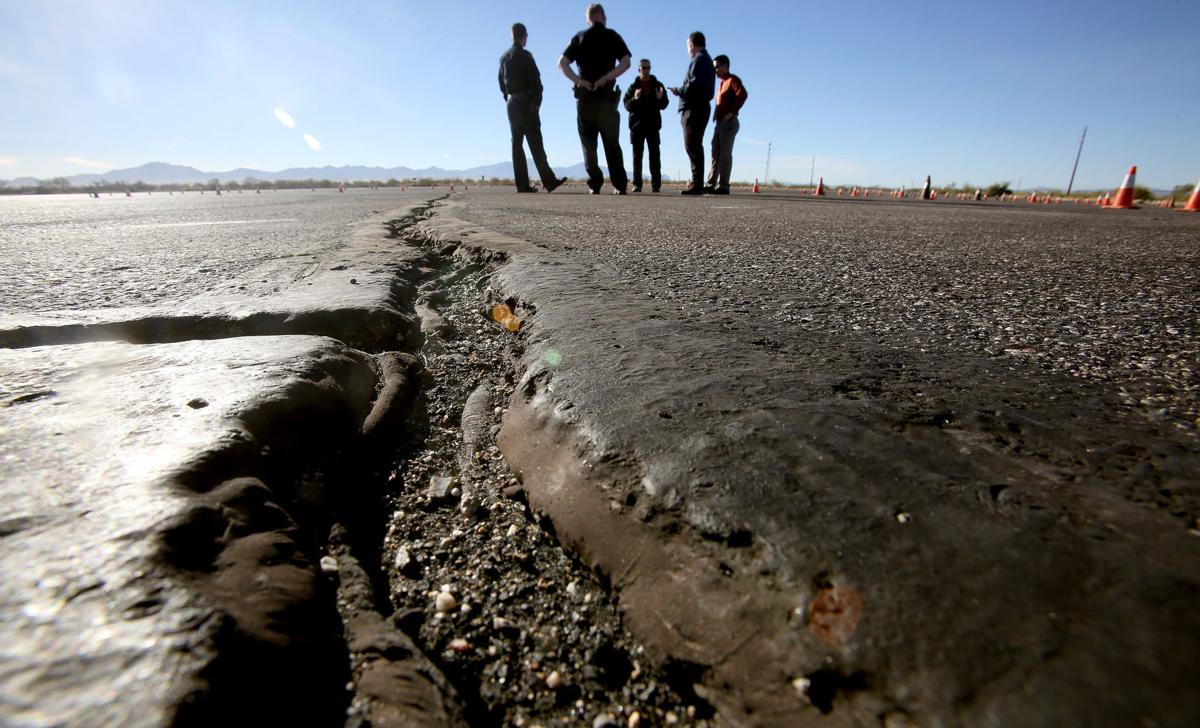
Close to $2.3 million will be spent to replace the driving track at the Public Safety Training Academy, which Johnson said is a dire need.
“It’s in terrible shape and that’s such a huge ticket item and we kept deferring, thinking that the economy was going to turn around,” Johnson said.
“We kept patching it, and it can’t even be patched anymore.”
Other items on the proposed plan include:
- $2.5 million for a new police helicopter.
- $2.4 million for maintenance and a buildout on the Public Safety Training Academy.
- $3.9 million for patrol laptops.
- $1.5 million for 750 police Tasers.
- $850,000 for firearms replacement.
- $1.2 million for new turnout gear for 490 firefighters.

