


An endangered plant has all but disappeared from the San Pedro Riparian National Conservation Area, according to a Tucson-based environmental group that is suing the federal agency responsible for protecting it.
Robin Silver, co-founder of the Center for Biological Diversity, said two biologists who volunteer with the group went looking for Huachuca water umbel plants on Nov. 11 but came up empty.
Silver fears the decline amounts to a “local extinction” of the rare, semi-aquatic plant from the conservation area about 80 miles southeast of Tucson.
“I don’t think the species is finished, but when you lose the core population, that causes serious concern,” he said.
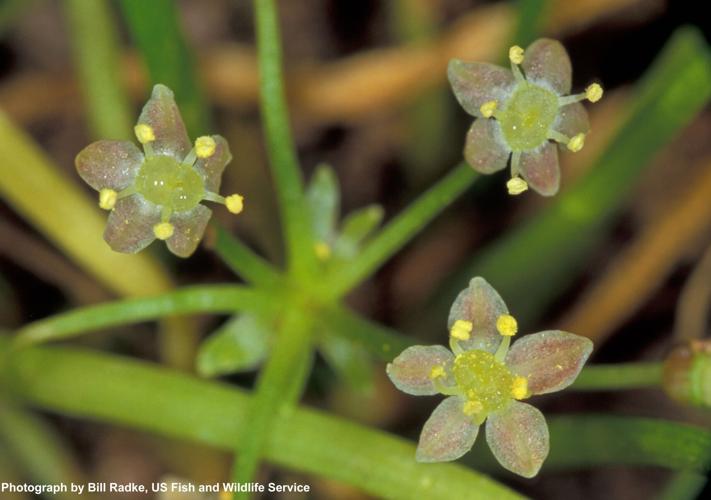
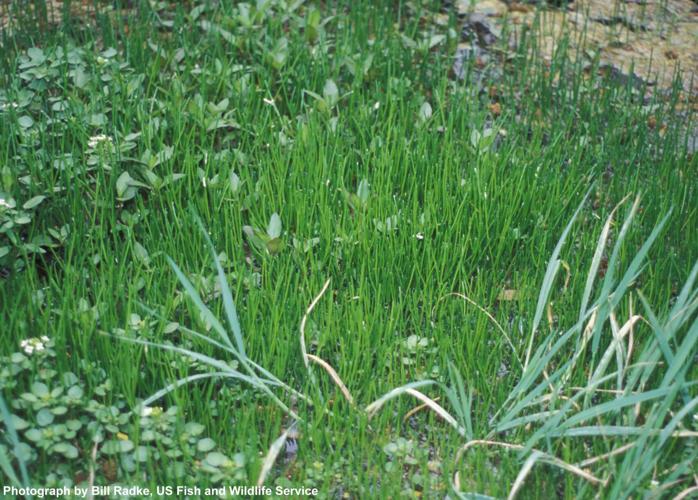
The Huachuca water umbel is a bright green, herb-like member of the carrot family, with tiny, tube-shaped stems that can grow to about a foot tall in wet enough conditions.
Silver helped get it listed as endangered in 1993 by petitioning the U.S. Fish and Wildlife Service.
Its federally designated critical habitat includes portions of the San Pedro River, the Santa Cruz River in the San Rafael Valley, Sonoita Creek and several watersheds in the Huachuca Mountains west of Sierra Vista.
The umbel used to be found in parts of Pima County as well, but habitat loss has eliminated all known native populations in the county.
“It’s a water plant, and it needs a pretty steady source of water to survive,” said Amy Belk, program coordinator for the Pima County Native Plant Nursery.
Belk said the nursery successfully cultivates two different clones of the plant for use in several experimental plots throughout the Tucson area. The umbel is pretty easy to grow and transplant, she said. The challenge is finding places in Southern Arizona that still have enough available water to support them.
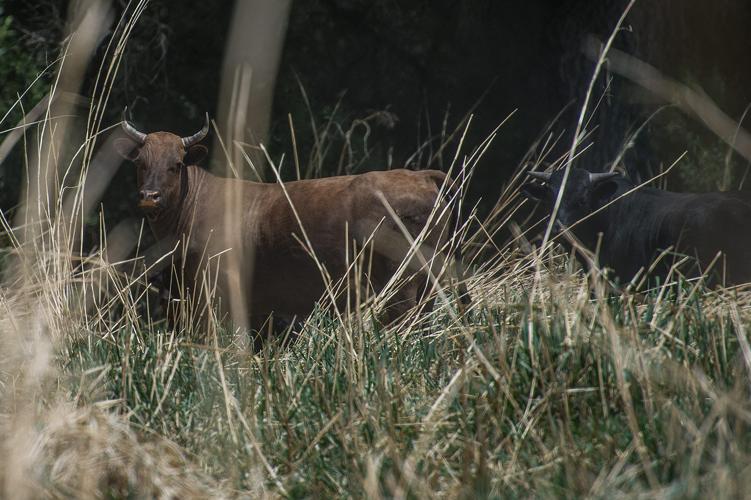
In October, the Center for Biological Diversity and the Phoenix-based Maricopa Audubon Society sued the Bureau of Land Management for violating the Endangered Species Act by failing to keep trespassing cattle away from the umbel.
The lawsuit, filed in U.S. District Court in Tucson, cites dozens of unresolved complaints about wayward cattle in the conservation area, including several reports from the past few months.
Silver said the cows eat the plants and trample their wetland habitat.
“We’ve found that the core population is essentially gone. In response, the BLM said they ordered some fencing,” he said. “They’re basically refusing to do anything. We don’t really know what else to do.”
A spokeswoman for the bureau in Tucson declined comment, citing the agency’s policy against discussing pending litigation.
A message left with the Fish and Wildlife Service was not immediately returned.
Since the Nov. 11 population survey, Silver said, one small patch of umbels has been found along the San Pedro, though volunteers also found “fresh cattle signs within 7 feet of the plants.”
The effort to save the umbel is part of a larger push by environmentalists to protect the entire San Pedro riparian ecosystem from a range of threats, including surface and groundwater withdrawal, overgrazing and erosion.
Silver said there is a lot more at stake than one obscure perennial.
“The bottom line is Fort Huachuca and Sierra Vista are sucking the San Pedro River dry from below, while trespass cows are grazing and trampling the river to death from above,” he said.
The Army base, however, has said in court filings that its reduction in water use, coupled with recharge efforts and buying former farmland, means there is no detrimental impact on the river.
Federal officials have until the end of December to respond to the conservation groups’ lawsuit.

