




The census results are finally in, and the saguaros still outnumber us nearly 2-to-1.
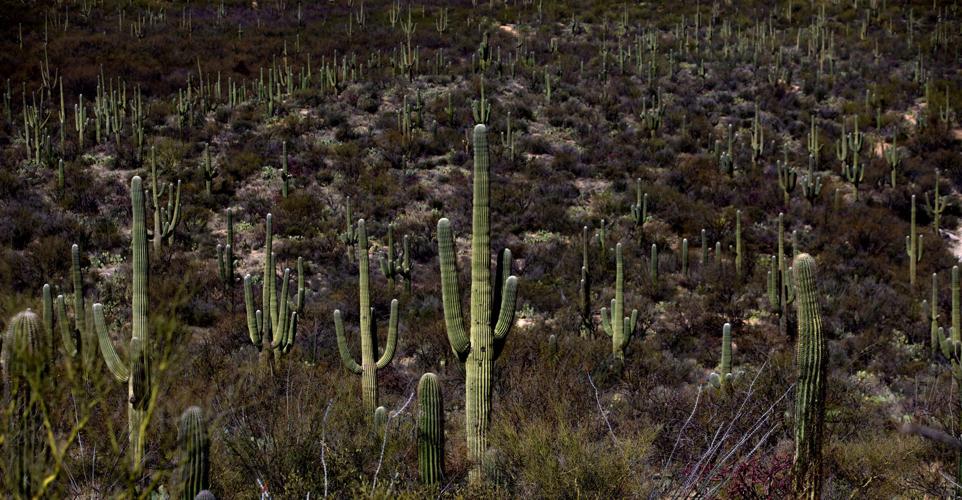
An estimate based on raw data from the 2020 cactus count at Saguaro National Park shows just over 2 million of the iconic green giants within the 140-square-mile preserve bracketing Tucson.
That’s a little less than double the human population of Pima County, and it represents a roughly 7% increase from the 2010 saguaro census.
But experts worry about the paltry number of young saguaros that are cropping up to replace their towering elders.
“We’re definitely concerned about it, but we’re not alarmed,” said longtime park biologist Don Swann.
He said the region is still suffering through a drought cycle that dates to the mid-1990s. The long dry stretch appears to be impacting both reproduction and the survival rate for newly sprouted saguaros.
“We’re still in a period of low establishment,” Swann said. “It’s still really low, but it’s not none.”
Saguaro census was launched in 1990
More study is needed to understand exactly what is happening.
In a few parts of the park, no new saguaros have been spotted for the past 25 years. In others, biologists have found more young saguaros than expected.
The good news, according to Swann: There is a bumper crop of cacti still out there from the last big population boom, and those saguaros are now old enough to reproduce.
You weren't watching where you were going and now you've got some cactus needles in your foot. Before you try a shot of tequila, stay sober and get those needles out.
Swann said the park saw a surge in population during a cooler, wetter period that lasted from the late 1960s through the early 1990s. Some of those cacti are only just now reaching reproductive age, which can take between 35 and 65 years in saguaros.
This was the park’s fourth saguaro census, which has been conducted once a decade since 1990. Swann and park biological technician Kara O’Brien now lead the effort.
They can’t count every cactus, so they estimate the total population based on how many individual saguaros they find in 45 scientific plots — 25 in the park’s eastern district and 20 in the western district.
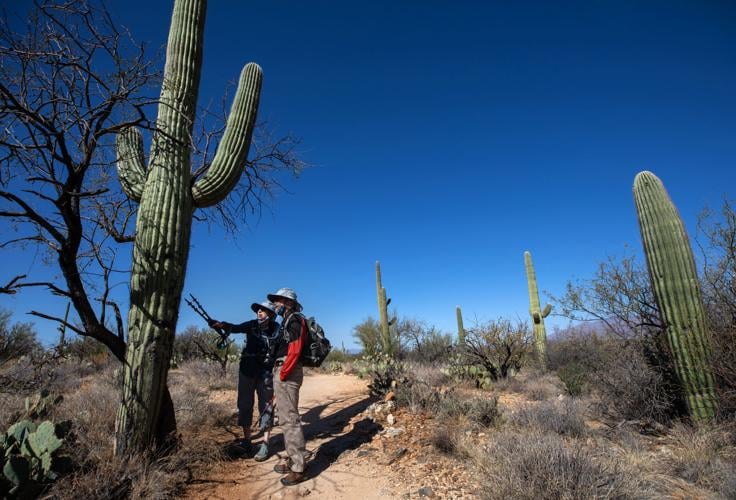
Each plot was selected at random 30 years ago and covers almost 10 acres. Some plots are right next to roads and easy to get to. Others require several miles of hiking — on established trails and off — to catalog cacti growing on steep rocky slopes in remote parts of the park.
Count draws more than 500 cactus-loving volunteers
The census is supported by the Western National Parks Association and Friends of Saguaro National Park. More than 500 volunteers took part in the 2020 count.
“It’s a real community effort. Tucson loves its saguaros,” Swann said. “This is a chance for people who love saguaros to interact with them in the field and collect data that will be helpful in protecting them in the long run.”
Participants ranged from environmentalists to electric utility employees, high school students to hiking groups for retirees and snowbirds. Luckily, Swann said, most of the counting was finished by last March, when the pandemic shut down such group activities.
The few remaining plots were surveyed later in the spring by park interns and crews from groups like the Arizona Conservation Corps.
The census takers collected a host of data about each saguaro, including its height, GPS coordinates, number of arms and bird holes, and any crests or other growth abnormalities.
The goal is to count every saguaro in every plot, but Swann said they inevitably miss some cacti — maybe as much as 20% — that are too small or too well hidden by their nurse plants.
The famously slow-growing plants have a low survival rate early in life, when they are less drought-resistant and vulnerable to being crushed, knocked over or snacked on.
It can take a newly sprouted saguaro 10 years to reach a height of just 2 to 3 inches. By the time the plant is taller than a person, Swann said, “that’s a saguaro that’s already at least 35 years old.”
Once the plants get big enough to store water, they tend to be quite hardy. “They’re tough plants. They’re desert plants. They can handle a lot,” he said.
Latest count should fuel future research
The biggest threats to adult saguaros are prolonged drought, unusually severe freeze events in winter and an emerging problem: wildfires, once rare in the desert, but now fueled by a growing carpet of invasive buffelgrass and other noxious weeds from other places.
Researchers warn that all of these factors are likely to get worse as a result of human-caused climate change.
For the 2020 count, the census team collected data on more than 21,500 individual saguaros. That resulted in a preliminary parkwide population estimate of 2,032,306 saguaros, up from 1,896,030 in 2010, 1,624,821 in 2000 and 1,145,784 in 1990.
The data is still being analyzed. Swann said they can’t yet say for sure if the latest population increase falls outside the margin for error for their tabulation method.
“We think there’s been a slight increase overall, but it’s about the same as it was in 2010,” he said.
The park plans to collaborate with some “academic partners” to get the data firmed up for publication in a scientific journal within the next year or two.
Swann expects the census results to be used to support additional research in the park, including the development of improved growth-rate models for saguaros.
Eventually, advancements in drones, satellite imagery and computer-assisted photo analysis could make counting cacti a snap.
But Swann hopes the saguaro census of 2030 and beyond will still unfold the way it did last year and for decades before that: with people venturing out into the desert to commune with the giants directly.
“That’s the real value of fieldwork,” he said. “There’s definitely technology out there that could make this easier, but I would hope technology wouldn’t change things too much.”
Besides, you can’t see a baby saguaro from orbit.
These photos of cactus blooms will make you fall in love with Tucson
Cactus blooms
Updated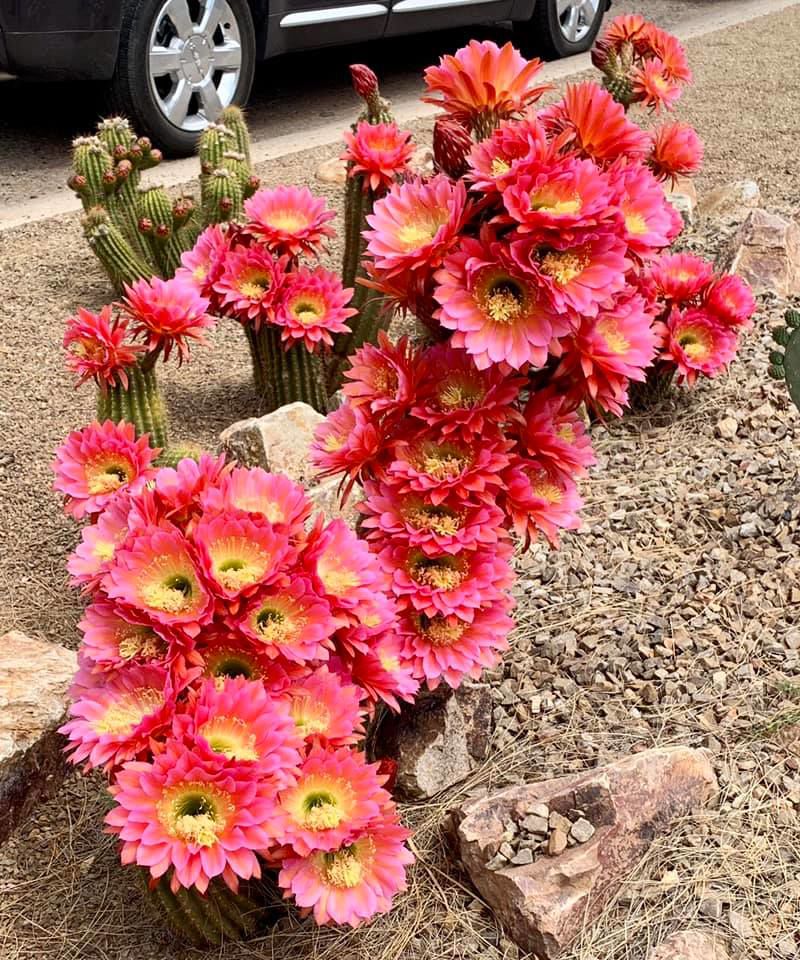
Cactus blooms
Updated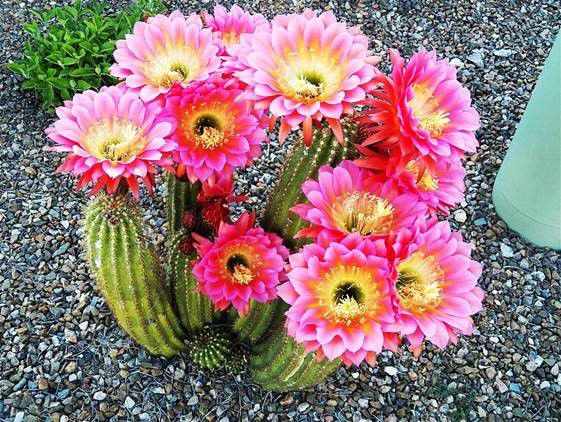
These cactus blooms were taken by reader Jim at his home in the Dove Mountain area.
Cactus blooms
Updated
Cactus blooms
Updated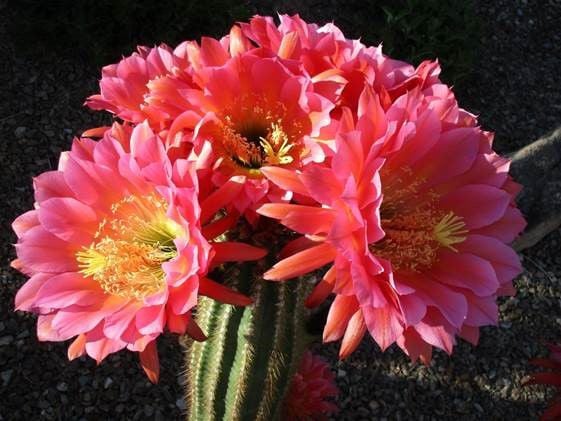
These cactus blooms were taken by reader Jim at his home in the Dove Mountain area.
Cactus blooms
Updated
Cactus blooms
Updated
Cactus blooms
Updated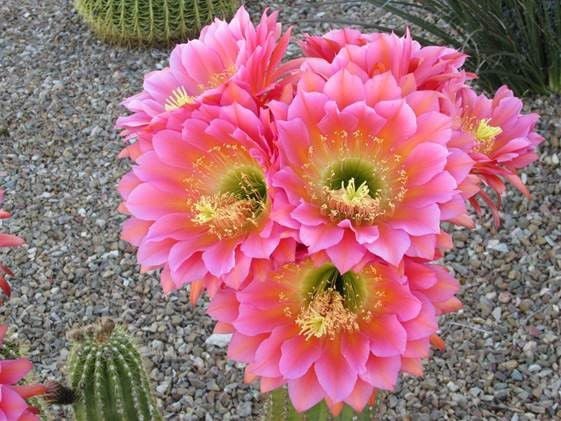
These cactus blooms were taken by reader Jim at his home in the Dove Mountain area.
Cactus blooms
Updated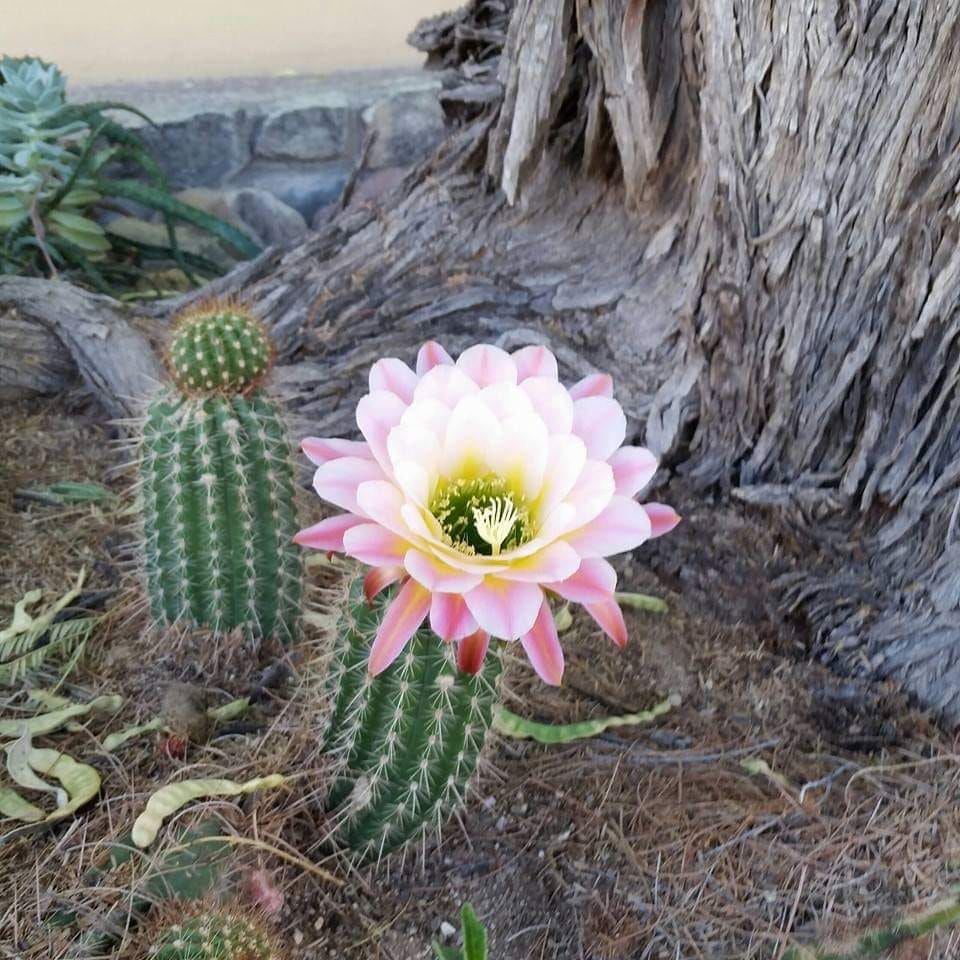
Cactus blooms
Updated
Cactus blooms
Updated
Cactus blooms
Updated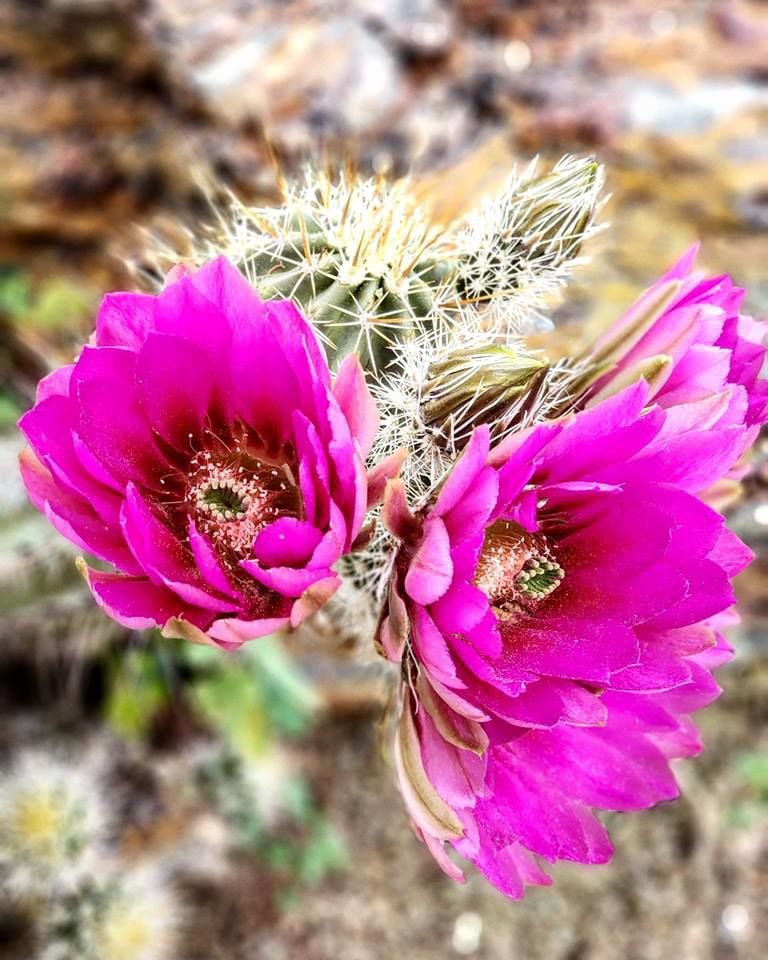
Cactus blooms
Updated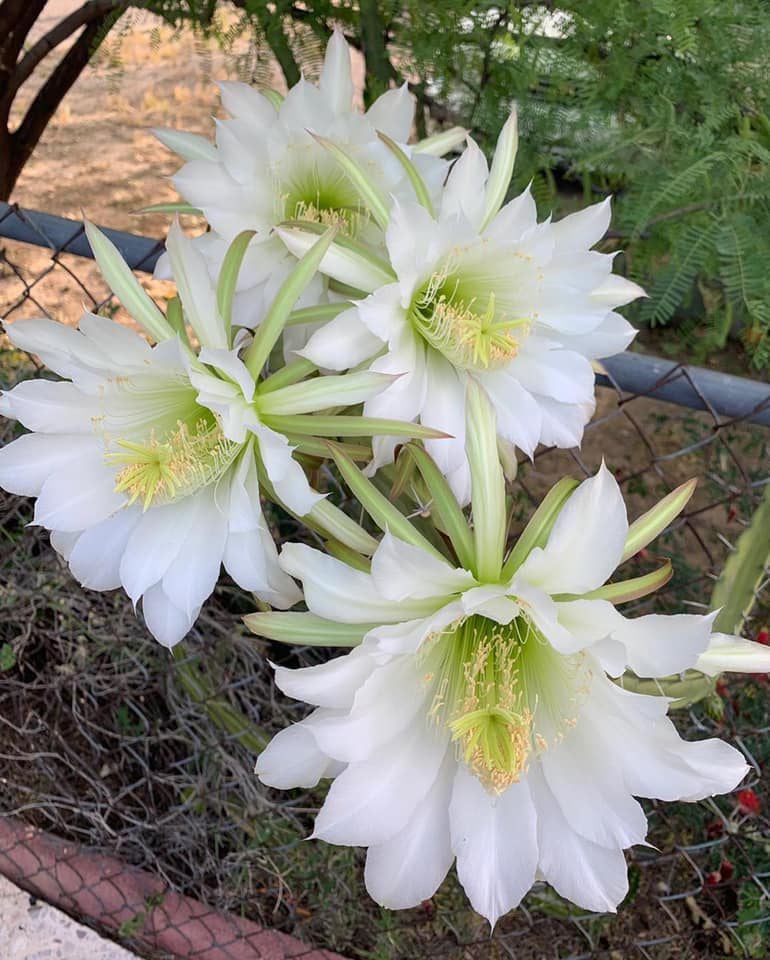
Cactus blooms
Updated
Cactus blooms
Updated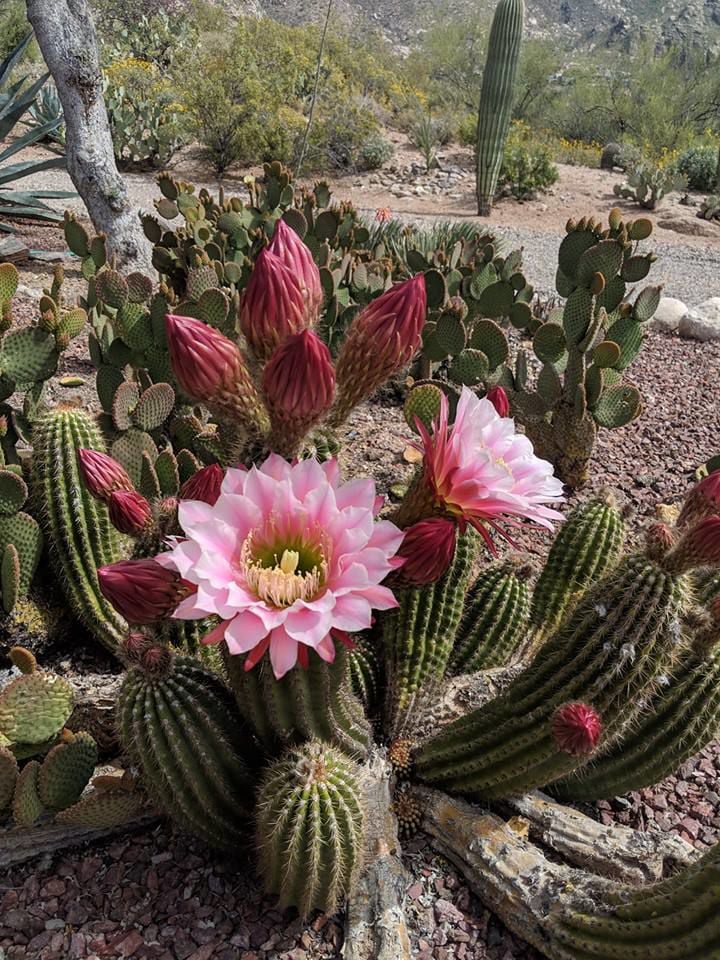
Cactus blooms
Updated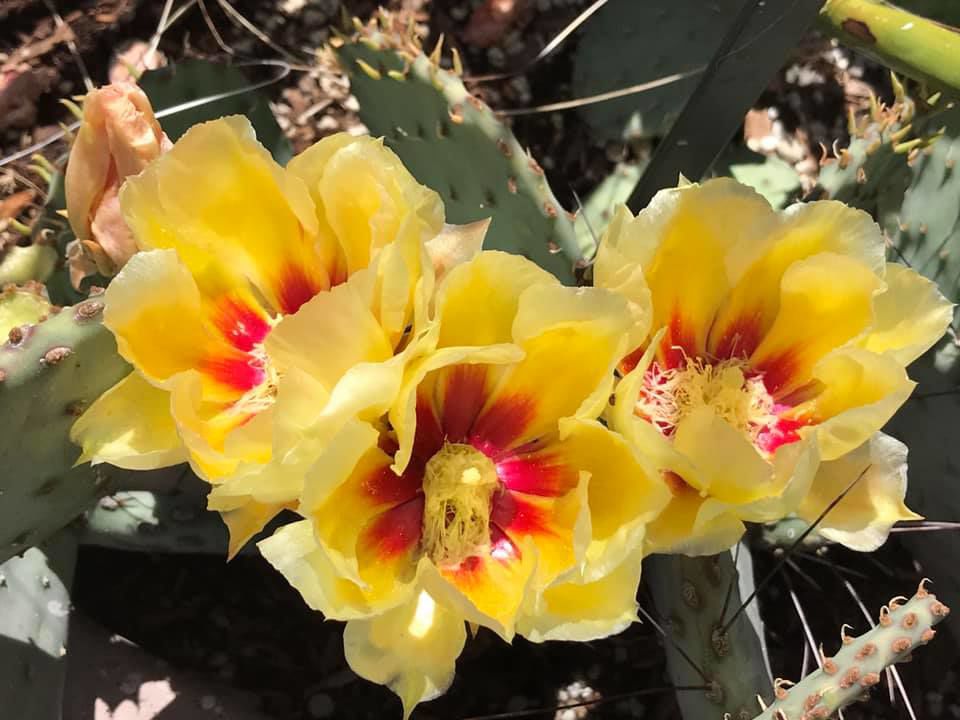
Cactus blooms
Updated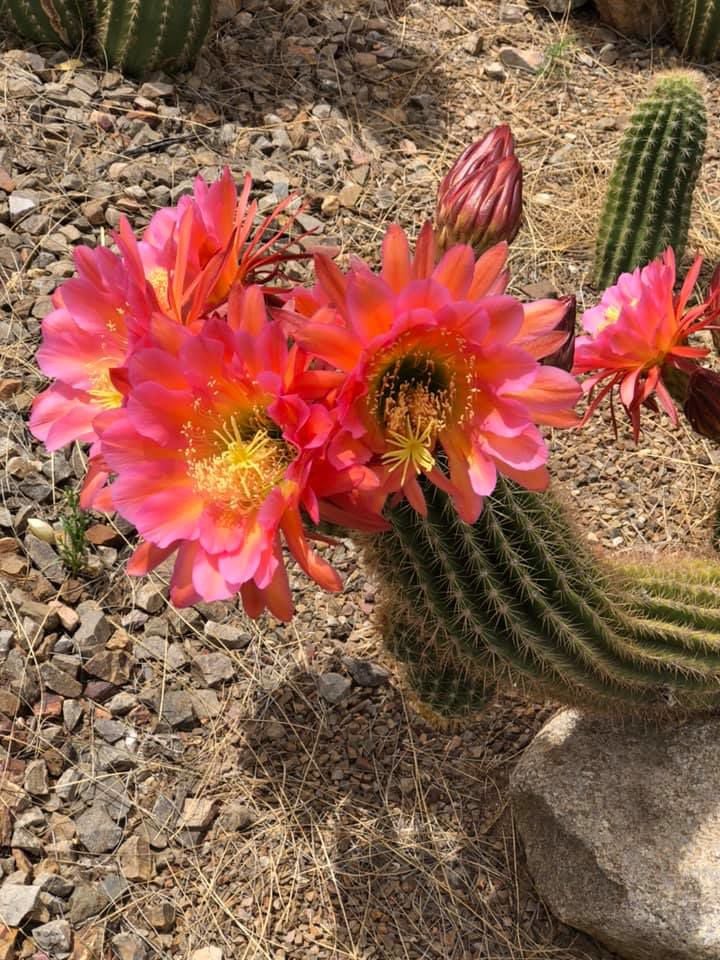
Blooming saguaro
Updated
A saguaro blooms in the Catalina Foothills. Blooms can be unpredictable, but peak blooms usually occur from mid-May to mid-June.
Cactus blooms at the Arizona-Sonora Desert Museum
Updated
Prickly pear in bloom
Updated
Another prickly pear’s bloom has a splash of red.
Cactus blooms
Updated
Prickly pear
Updated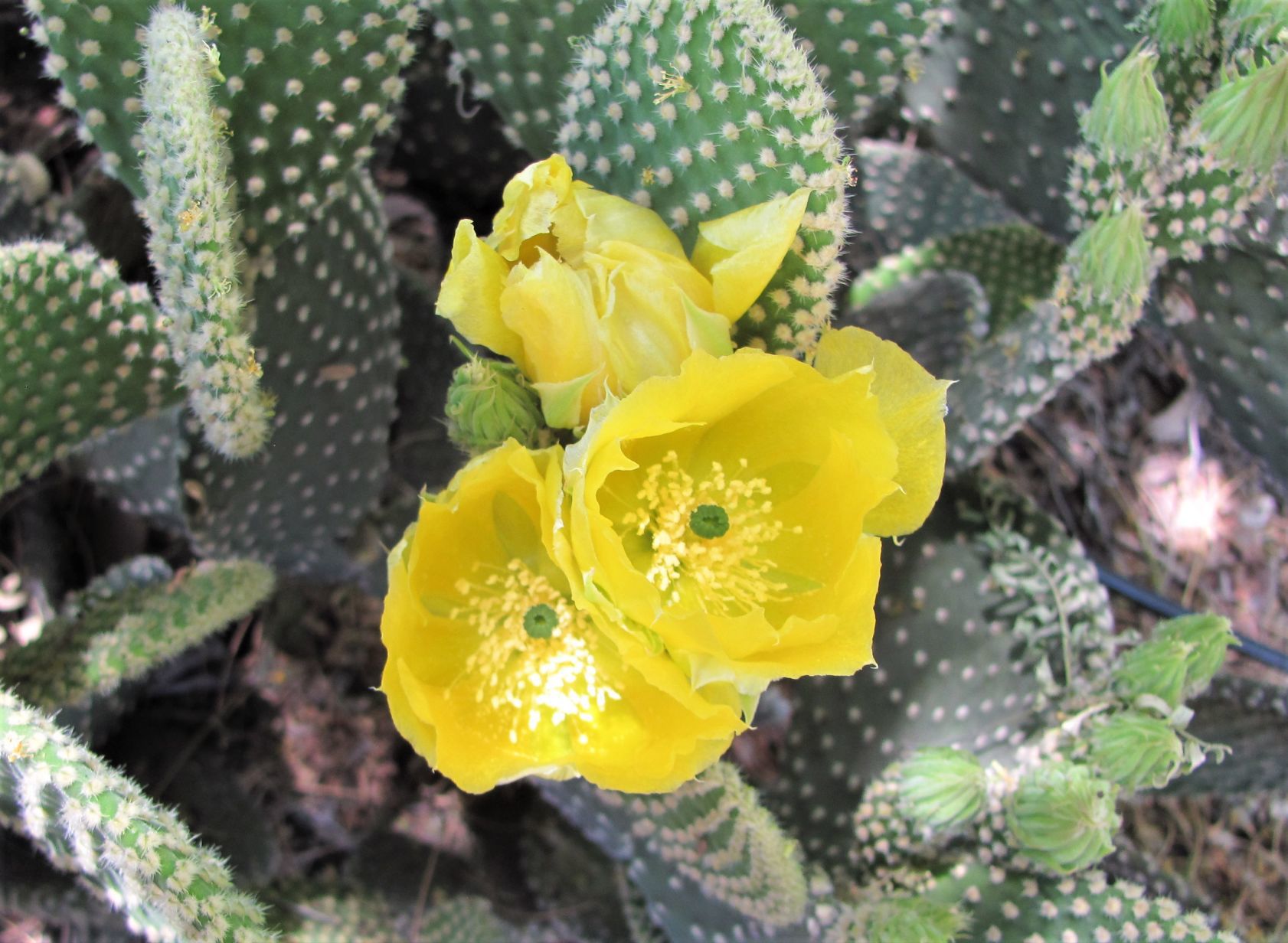
A small prickly pear cactus in colorful bloom.
Brilliant bloom
Updated
Saguaros are blooming brilliantly in parts of the Tucson Valley. -- Credit: Doug Kreutz/Arizona Daily Stars
Prickly pear cactus
Updated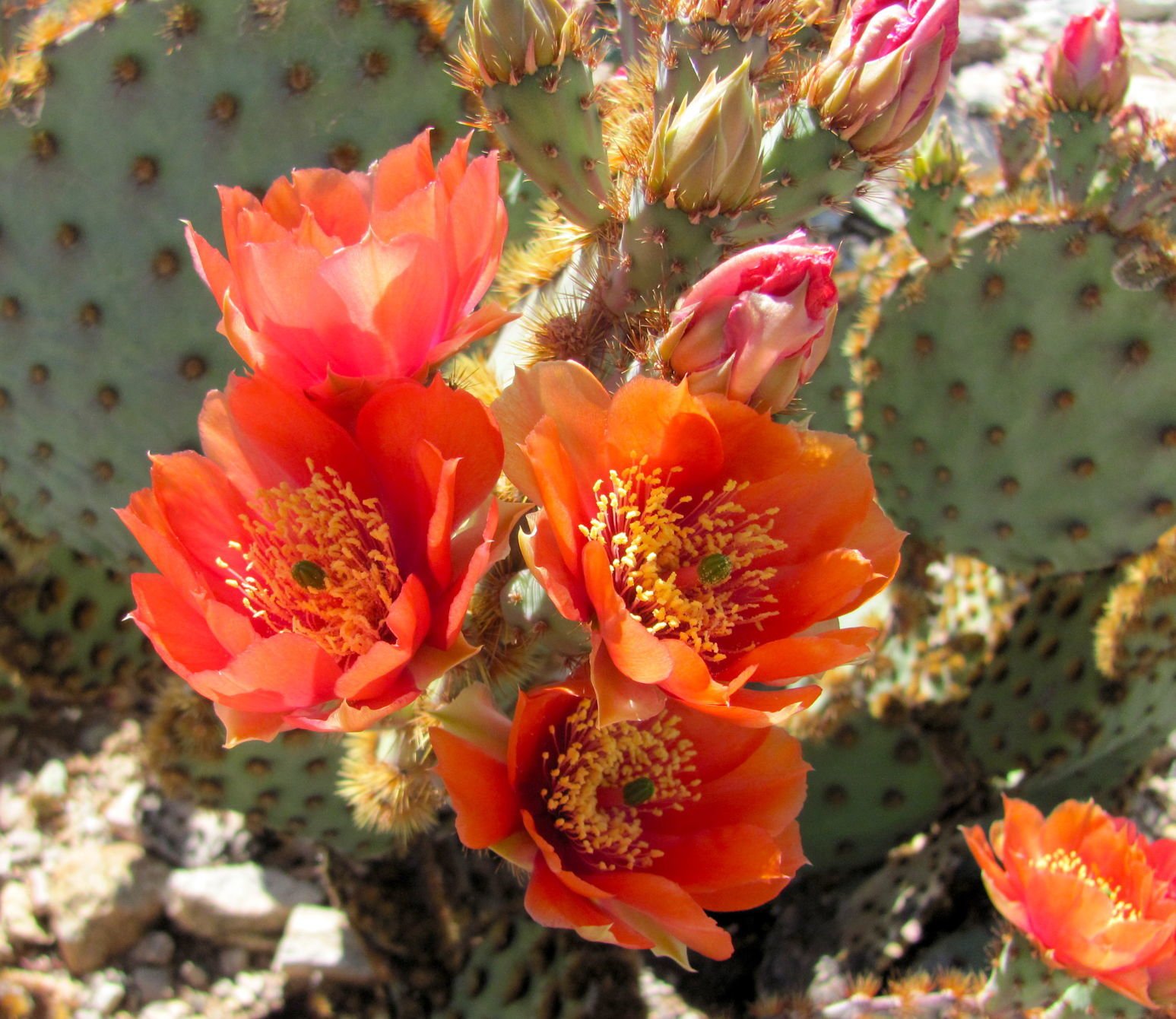
A prickly pear cactus in brilliant bloom.
Prickly pear cactus
Updated
Yellow prickly pear blooms and hikers in Tucson Mountain Park.
Saguaro and ocotillo
Updated
A blooming saguaro with an ocotillo in bloom nearby.
Hedgehog cactus
Updated
A hedgehog cactus shows off its bright blooms.
Cholla cactus
Updated
A cholla cactus with yellow blooms.
Cholla cactus
Updated
A cholla cactus with red blooms.
Prickly pear
Updated
A prickly pear cactus with red blooms in the desert west of Tucson.
Bees and blooms
Updated
Bees visit the blooms of a saguaro cactus.
Yellow prickly pear flowers
Updated
Yellow flowers of prickly pears add color and beauty to Tucson Mountain Park west of the city.
07 VAM outside birding trail
Updated
Red cactus blooms decorate the Birding Trail.
Prickly pear cactus
Updated
Blooms and buds of flowers to come on a prickly pear cactus.
Cactus blooming
Updated
Saguaros will be blooming this month at Saguaro National Park . -- Credit: Doug Kreutz / Arizona Daily Star
Bonanza of blooms
Updated
This cactus in the Catalina Foothills is in a blooming mood — and it’s just getting started. Still more buds than blooms.
Sabino Canyon saguaro
Updated
A blooming saguaro in Sabino Canyon with more buds waiting to open.
Multiple blooms
Updated
A saguaro with multiple blooms in Sabino Canyon.
Cactus Flower
Updated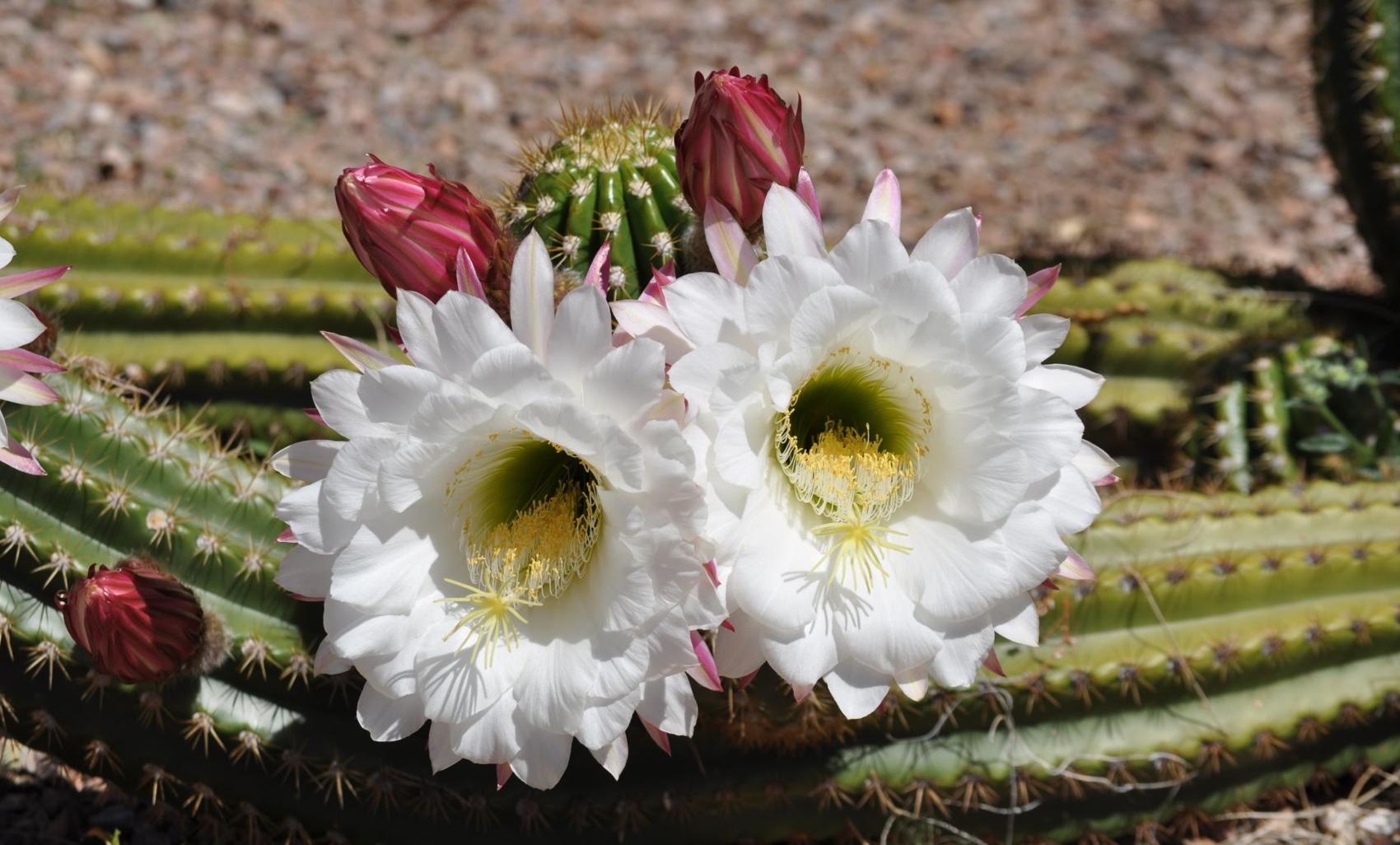
Tucson Arizona
Trichocereus cactus in bloom
Updated
Trichocereus cactus in bloom
Cardon in bloom
Updated
Cardon in bloom on 3rd Street bike path
Barrel Cactus in Bloom
Updated
Late bloom on a barrel cactus
Foothills flowering cactus
Updated
Cactus wreathed in pink blooms

