

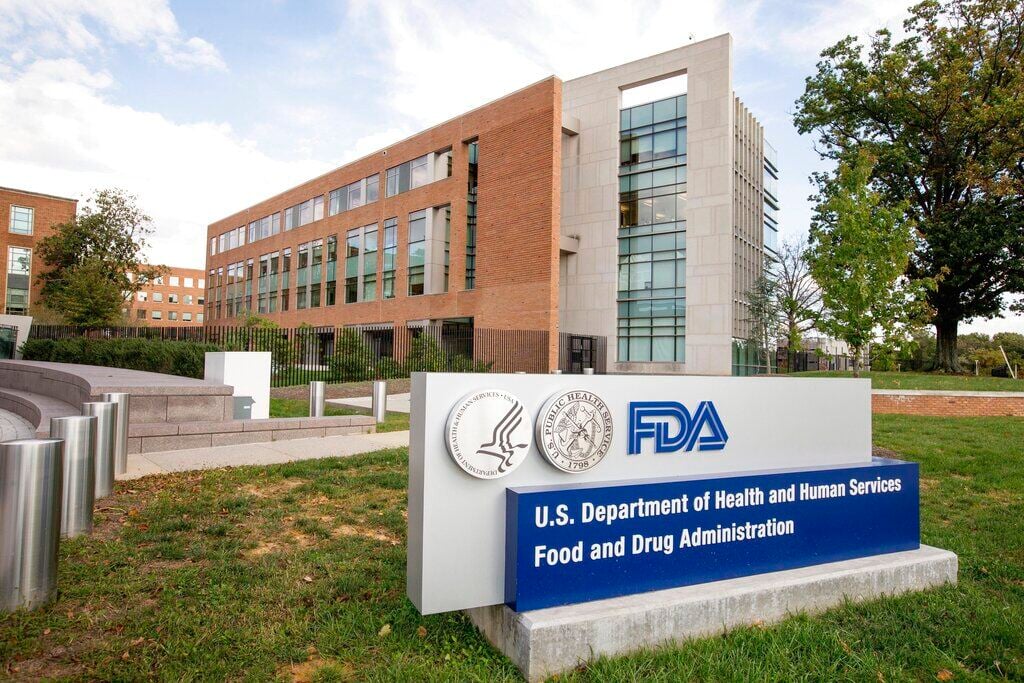
A Tucson environmental group is suing the U.S. Food and Drug Administration for failing to set limits on PFAS, also known as “forever chemicals,’’ in food.
The Tucson Environmental Justice Center says it asked the agency more than a year ago to start the process. To date, it says, the FDA has responded only that it considers the petition a priority but “cannot provide a timeline for responding at this time given competing priorities and in consideration of our limited resources.’’
That is unacceptable, the group says in a lawsuit filed in federal court.
“Multiple government authorities agreed, and peer-reviewed scientific studies have shown, that PFAS are toxic, pervasive in the environment, highly resistant to breakdown, and contaminate foods,’’ the challengers are telling U.S. District Court Judge James Soto. Setting the “tolerances,’’ it says, will ensure that contaminated foods “are timely removed from the marketplace.’’
PFAS have been used for decades in everything from nonstick cookware and stain-resistant fabrics to some firefighting foams.
In Arizona, the Environmental Protection Agency previously ordered the Air Force and others that used the chemicals to clean it up from groundwater. The Arizona Department of Environmental Quality has tested for the chemicals in about 700 water systems across the state.
What’s missing, according to the litigation, is any effort to deal with PFAS in food.
Asked to comment Monday, the FDA’s response was that the entire Department of Health and Human Services, of which it is part, “has issued a pause on mass communications and public appearances that are not directly related to emergencies or critical to preserving health. This is a short pause to allow the new team to set up a process for review and prioritization.”
A report on the agency’s own website says PFAS chemicals, formally known as per- and polyfluoroalkyl substances, “can enter the food supply through crops and animals, grown, raised, or processed in contaminated areas.’’ It lists some of the steps it has taken, including testing of nearly 1,300 samples of foods and conducting human health assessments for individual PFAS detected in 174 samples, including from foods on the U.S. market.
It says it will “continue to test food from the general food supply, with the goal of accurately estimating U.S. consumers’ exposure to PFAS from food.’’
The lawsuit says that still falls short of what the challengers say is legally required of the FDA.
Last week, the Environmental Protection Agency, now under the Trump administration, withdrew a proposal that started under former President Joe Biden to set discharge limit on PFAS. And new President Donald Trump has placed a freeze on any new federal regulations.
The harms of inaction are real, the challengers say.
Linda Shosie, previously known as Linda Robles, who founded the environmental group, said it has collected health assessments from community members “and found hundreds of people with PFAS-related illnesses such as adverse effects on the immune system and cancer.’’
But Shosie, who said she lives in a community is predominantly Latino, low income and disadvantaged, said it’s also personal. The lawsuit says she had one daughter who had a premature child and later died of lupus and nephrotic syndrome; another born with a cleft palate, bone age delay and a heart murmur; a third who had kidney failure; and a son who has lupus.
The FDA has acknowledged the danger.
“PFAS can enter foods through environmental contamination or through migration from food packaging,’’ according to an agency web page.
“PFAS can enter the environment because of pollution from industrial facilities where PFAS are produced or used to manufacture other products, from the use of PFAS-containing products, and from discarded products leaching PFAS in landfills,’’ it continues. “In addition, the use of soil, water, or biosolids contaminated with PFAS to grow crops, feed animals intended for food, or raise fish or other seafood, can lead to PFAS entering the food supply.’’
The lawsuit cites FDA’s own studies.
In one, the agency found PFAS in milk collected from a contaminated dairy farm in New Mexico at levels considered unsafe. In the other, the FDA found PFAS in various leafy vegetables, cabbage and corn grown near a North Carolina plant that produces the chemicals.
The lawsuit also mentions a 2024 study by Consumer Reports of milk purchased in three states that found 12% of the samples were contaminated.
Complicating matters, the challengers say, is that the chemicals “bioaccumulate’’ in the body, meaning each new exposure increases the risk.
“Congress requires FDA to act ‘promptly and efficiently’ to ensure ‘foods are safe’” by setting tolerance levels for “poisonous or deleterious substances unavoidably added to foods and to set such tolerances on carcinogens at zero,’’ the lawsuit states.
It asks Soto to declare the FDA has unreasonably delayed action in violation of the law and the agency’s own regulations and direct it to act by a “date certain, to be determined by the court.’’
Tucson's Top Stories: January 27. Get your morning recap of today's local news and read the full stories here: tucne.ws/morning

