


A coalition of Southern Arizona environmental groups is suing the U.S. Forest Service over several new mining ventures in the Patagonia Mountains.
The eight groups, most of them from Tucson, accuse the federal agency of failing to consider the cumulative effects of the projects, especially on endangered species in the area.
The lawsuit was filed Tuesday in the U.S. District Court in Tucson by the Patagonia Area Resource Alliance, the Center for Biological Diversity, the Tucson Audubon Society, Save the Scenic Santa Ritas, Friends of the Santa Cruz River, Friends of Sonoita Creek, Earthworks, and the Arizona Mining Reform Coalition.
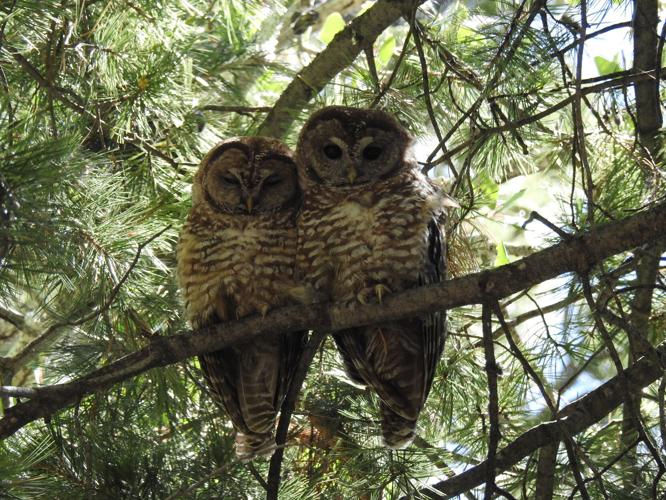
The Patagonia Mountains serve as breeding territory for the threatened Mexican spotted owl and yellow-billed cuckoo, and may be used by elusive jaguars and ocelots as they venture north from Mexico.
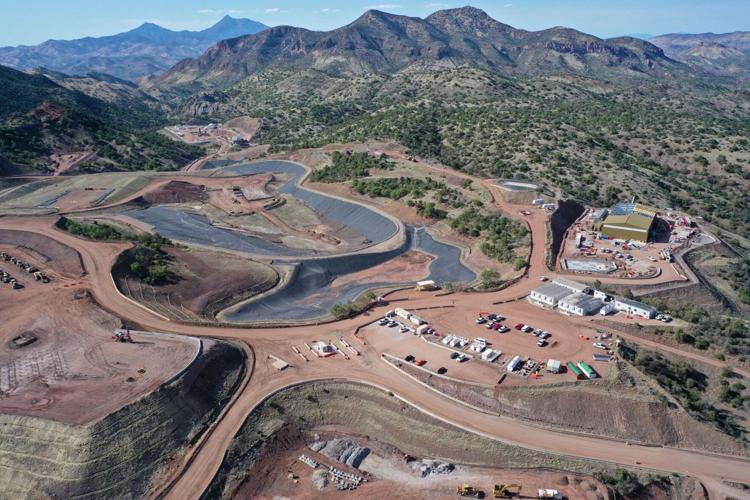
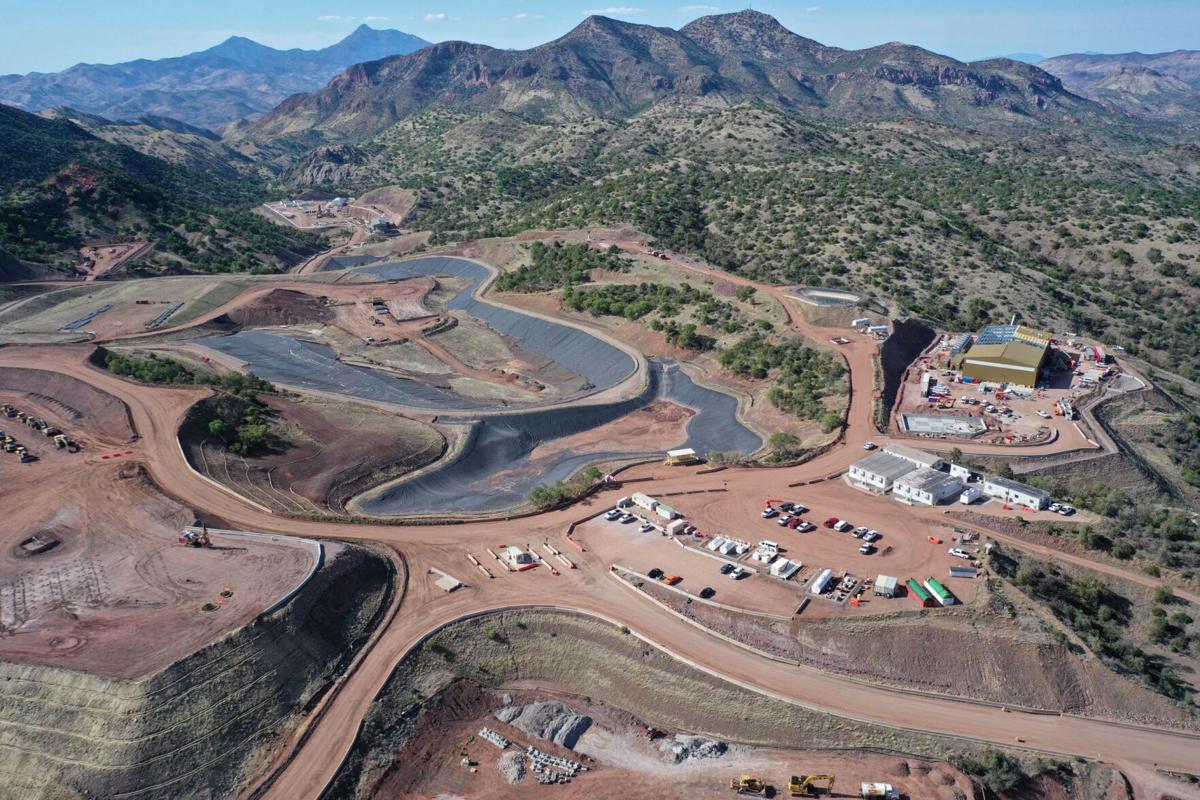
The mountain range about 65 miles southeast of Tucson is also home to several proposed mines, including the Sunnyside copper project by Canada-based Barksdale Resources and the adjacent Flux Canyon exploration by Australia-based South32.

Environmentalists worry that exploratory drilling for mines in the Patagonia Mountains will disrupt the mating of threatened Mexican spotted owls like this pair.
According to the lawsuit, the two projects could result in the construction of as many as 37 exploratory drill shafts thousands of feet deep. The work will involve machinery running day and night for several years, driving away wildlife and threatening to contaminate the water supply of the nearby town of Patagonia, the suit says.
“Reckless exploratory mining has no place in the wild, biodiverse Patagonia Mountains,” said Laiken Jordahl, Southwest conservation advocate at the Center for Biological Diversity, in a written statement. “Endangered species like jaguars, ocelots and Mexican spotted owls already face threats from border walls, climate change and habitat loss. The last thing these rare animals need is a new copper mine ravaging the heart of their Arizona range.”
“The Patagonia Mountains and Sonoita Creek watershed are the lifeblood of our beautiful region,” added Patagonia Area Resource Alliance president Carolyn Shafer. “Our priority must be to protect this critical habitat, which is the source of drinking water, clean air and the biological wealth that fuels our regional nature-based restorative economy.”
The Forest Service signed off on Barksdale’s seven-year exploratory well program on June 16, less than three weeks after granting approval for drilling to begin at the Flux Canyon site about a mile away.
Flux Canyon is part of South32’s much larger Hermosa project, a proposed $1.7 billion zinc and manganese mine now under federal review as part of an Obama-era program aimed at streamlining the permitting process for critical infrastructure.
Both manganese and zinc are designated as critical minerals by the U.S. Geological Survey, and President Joe Biden has authorized increases in domestic manganese mining and processing under the Defense Production Act to strengthen the large-capacity battery supply chain.
South32 is the world’s largest producer of the mineral, but no significant ore deposits have been mined in the U.S. since the 1970s.
Company officials are expected to make a final decision later this year on whether to proceed with underground mining on the private land the firm owns at the Hermosa site. If developed as planned, the project would represent the single largest investment in the history of Santa Cruz County.
The Hermosa site is just northwest of the proposed San Antonio project, another Barksdale-owned effort to explore a suspected copper deposit on about 6,300 acres of land in the Patagonia Mountains.
All of the recent exploration projects are located in historic mining districts that date back to the 1800s but have not seen significant activity for decades.
The Forest Service manages much of the Patagonia range as part of the Coronado National Forest. The agency and Coronado National Forest Supervisor Kerwin Dewberry are both named as defendants in the lawsuit.
Forest Service spokeswoman Starr Farrell said the agency would not comment on the litigation.
The environmental groups are seeking an immediate injunction that would block the Forest Service’s approvals and halt any drilling work until a more thorough review is conducted.
All eight groups are being represented in the lawsuit by attorneys for the Western Mining Action Project and the San Francisco-based environmental law organization Earthjustice.
“These projects threaten to drive away imperiled species and cut off wildlife movement between Mexico and the American Southwest,” said Scott Stern, associate attorney for Earthjustice’s Biodiversity Defense Program. “This needs to be sent back to the drawing board so the government can properly consider the potential harm to the land, water and species of Southeast Arizona.”
Get your morning recap of today's local news and read the full stories here: http://tucne.ws/morning

