


The federal government may have to impose a Colorado River management plan on the seven river basin states because of their lack of progress toward reaching their own agreement, Arizona's water chief says.
Four days of negotiations in the past week brought the states no closer to agreeing on the major issues dividing them, said Tom Buschatzke, director of the Arizona Department of Water Resources. He and other states' water officials met in Salt Lake City in their latest of many meetings over the past two years.
But in a news briefing Friday, Buschatzke held out hope the river's Lower and Upper Basin states will stand a better chance of finding common ground when they meet in Washington, D.C., at the end of January, along with the governors of their states. He and Arizona Gov. Katie Hobbs have been pushing for such a meeting since late last year.
"I have a (plane) ticket and a hotel room" for the upcoming meeting, Buschatzke said.
The states are trying to meet a federally imposed deadline of Feb. 14 to agree on a water-saving plan. Then, the U.S. Bureau of Reclamation, which runs the seven-state talks, wants to get a final plan wrapped up and approved to replace the current plan of river operations when it expires at the end of 2026.
The two basins are at odds over three main points, Buschatzke said Friday, in the first detailed account of the negotiations he has provided in a long time.
Among the points of contention is how much water the Upper Basin states will release downstream from Lake Powell to Lake Mead — which determines how much water Arizona and the other two Lower Basin states, California and Nevada, will be able to take from the river in a given year.
The Upper Basin states are New Mexico, Colorado, Utah and Wyoming.
Also at issue is how much water will be released from reservoirs upstream of Lake Powell, such as the Flaming Gorge reservoir at the Wyoming-Utah border, to help prop up Lake Powell if it falls too close to critically low levels that would lower its releases to Lake Mead.
Also, the Upper Basin states have repeatedly declined to offer any mandatory, legally enforceable program to reduce their water use, despite repeated demands from Buschatzke and other Lower Basin state water leaders to do so.
Buschatzke said he believes the states still hope to avoid litigation, which would delay, possibly for years, putting into place any kind of fix for the river while its flows and reservoirs keep declining.

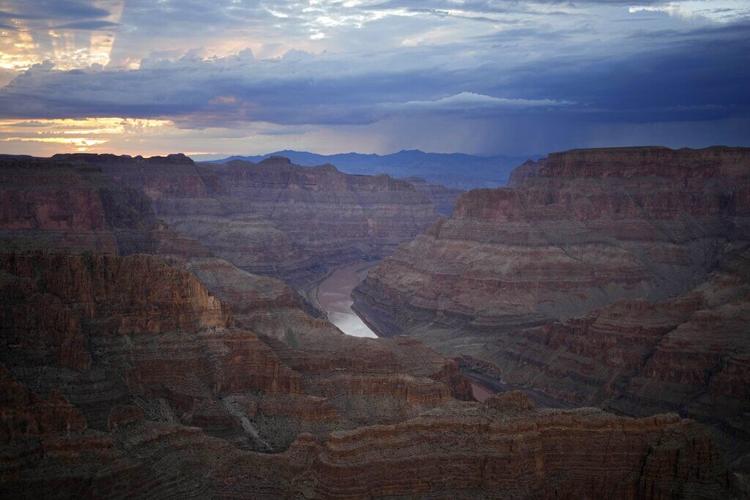
The imperiled Colorado River flows through the Grand Canyon on the Hualapai reservation in northwestern Arizona.
But he said other states are following Arizona's footsteps in setting aside money to be used for possible future lawsuits. Arizona has set aside $1 million.
Upper Basin states are among those that have set aside litigation funds, he said. While state officials have denied doing that, Buschatzke said the Upper Colorado River Commission, which represents the four Upper Basin states on river matters, has done that. If the commission is doing that but the states themselves aren't, "that's a distinction without a difference," Buschatzke said.
The Bureau of Reclamation released a draft environmental report on the Colorado on Jan. 9.
Buschatzke said none of the four alternative proposals laid out in that draft report are acceptable.

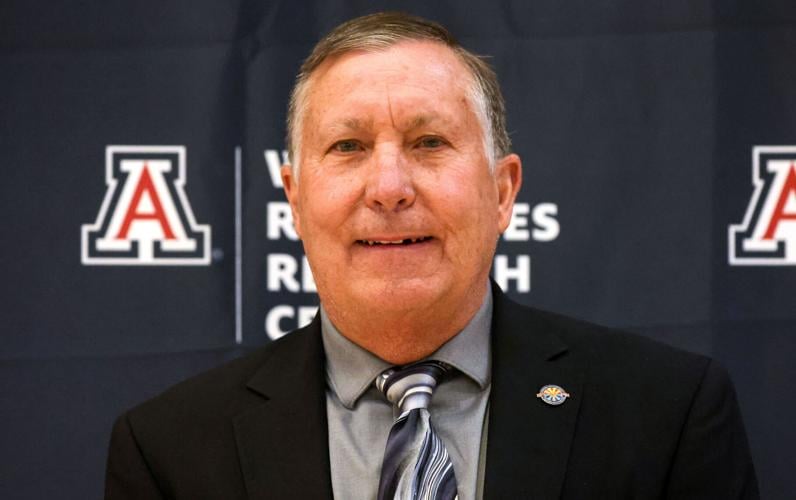
Tom Buschatzke
The Star reached out Friday to a spokeswoman for Becky Mitchell, Colorado's Colorado River commissioner, and Gene Shawcroft, Utah's commissioner, for comment on Buschatzke's remarks, and got no immediate response. Chuck Cullom, the Upper Colorado River Commission's executive director, also didn't respond to a request for comment.
J.B. Hamby, California's Colorado River commissioner, texted in response to the Star's request for comment, "Nothing to share for now."
Buschatzke was asked about one of the bureau's alternatives in its environmental report that calls for slashing river water use by up to 4 million acre-feet a year. That's more than four times the amount of river water that the Central Arizona Project delivers annually to cities and farms in the Tucson and Phoenix areas.
If that were to happen and the Lower Basin had to take all the cuts as Upper basin states have advocated, that could cause major hardships in Arizona, Nevada and California, he said.
Government officials would have to decide what uses of water are essential for public health and safety and thereby warrant getting river water in the event of that big a shortage, he said.
"Would that mean enough water for drinking and bathing? Or enough for firefighting?" he asked.
But he hopes that if the river ever dries up enough to require a 4 million acre-foot cut, it will be implemented gradually rather than all at once, he said.
Even if the 4 million in cuts were split 50-50 between the two basins, the Upper Basin would have a tough time trimming its use by 2 million-acre feet, he said. That's because the four Upper Basin states typically use only 4.5 million acre-feet of river water annually, compared to roughly 7 million for the Lower Basin states and Mexico, he said.

