


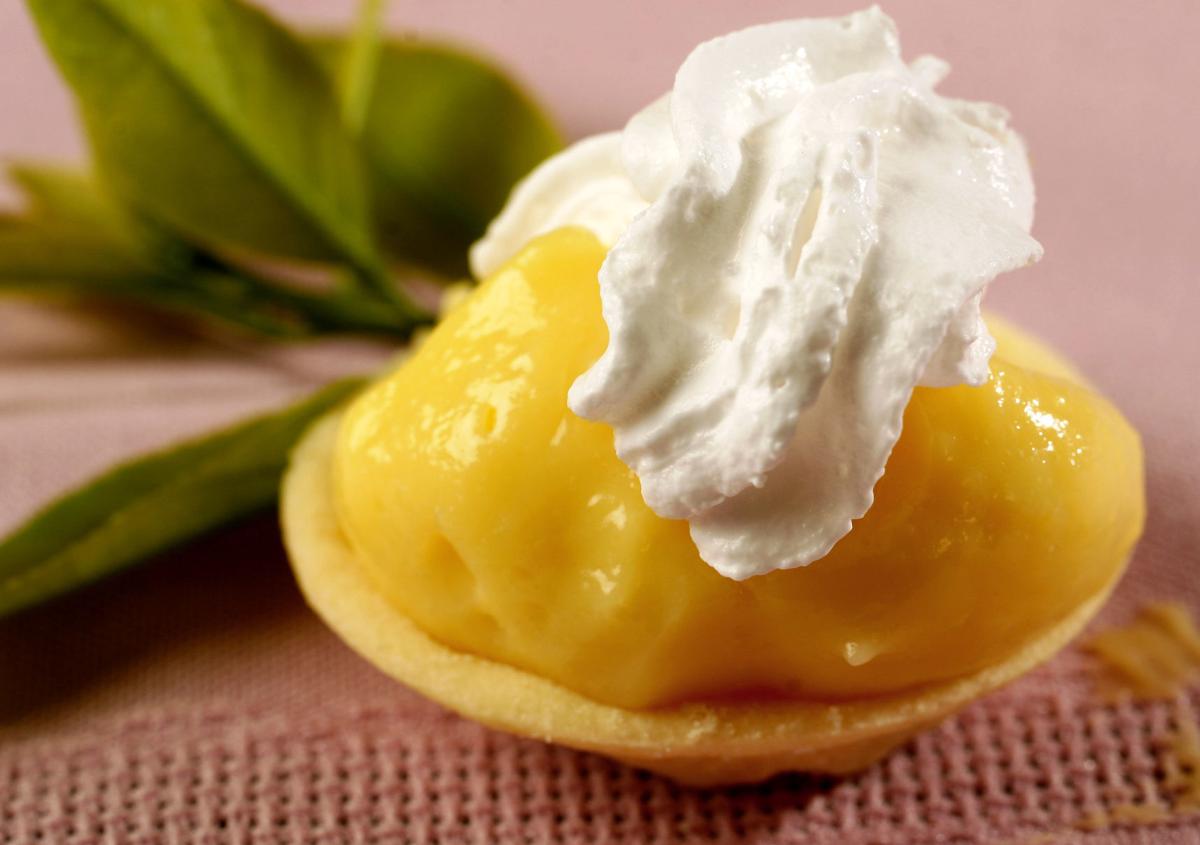
One of the glories of Arizona — citrus season — has begun, I’m happy to see. Citrus has traditionally been one of the Five Cs of Arizona, along with cattle, cotton, copper and climate. I grew up enjoying an Arizona-grown orange from the toe of my Christmas stocking before we opened gifts.
While office break rooms will soon have piles of citrus fruit free for the taking, the big benefit to the season, in my opinion, is the opportunity to make citrus butters.
Some people call this stuff “curd,” as in lemon curd, lime curd, orange curd and so on. As a former cheesemaker, though, I find that usage misleading — something typically needs renneting to form a curd, and of course these citrus butters use no rennet in their preparation. Instead, I think of their silky texture and smooth consistency, and butter seems to be the right word to me.
Whatever you call it, citrus butter is a handy thing to have about. Certainly, it’s great on toast or English muffins or biscuits, which is how I generally eat it. It’s also a marvelous filling for cakes or spread atop cookies. I’ve also sandwiched sugar cookies with a little citrus butter between them — like an Oreo, sort of, but far more satisfying.
You can make citrus butter from regular lemons, but the smaller Meyer lemons make marvelous butter. Orange butter is good, but blood orange butter is even better. Grapefruit butter is superb, and using ruby grapefruit gives the butter an unusual color and flavor. Kumquats, clementines, tangerines, tangelos — all can be used, and each will contribute the taste of the sun and the Arizona landscape where they grew.
In my neighborhood, I can virtually do my citrus shopping in a walk around the block. It’s easy to snag a low-hanging fruit or two from backyard trees that overarch public walkways. And of course, if you are a farmers market habitué, you will find plenty of citrus at market in coming weeks.
I’ve provided you here with a master recipe for citrus butters. Its key element is the third-cup of freshly squeezed citrus juice. That’s about the amount you’ll get from a good-sized lemon, two to three limes, an orange or a half grapefruit. Use all from one fruit, or combine lemon with lime, for example, to make something new.
As for the rest of the recipe, this is not the time to make substitutions. Each of the simple ingredients contributes something to the citrus butter’s structure, and tinkering with it by using margarine, or artificial sweeteners, or in other ways may not give you the result you want.
Some recipes suggest straining the finished butter before cooling it, just to catch any bits of egg that may have scrambled in the cooking or zest that clumped in cooking. I don’t usually bother doing so, but if you want supremely silky fruit butter, you certainly may. Use a fine-textured sieve or tea strainer if so.
The fruit juice’s acidity will help it keep for nearly two weeks in the refrigerator, so I usually put a 4-ounce jar in the fridge and freeze the remainder in similar jars for longer storage — it will keep for up to a year in the freezer. If you want to can citrus butters, however, you’ll need to use bottled lemon juice instead of freshly squeezed — canning safety requires consistent acidity from the juice, which you can’t be sure of with fresh fruit. It will be good, but not as good as these butters made from fresh juice.
Brightly flavored and luscious to eat, fruit butters make a nice token gift, too.
No one will suspect that your investment of time was only a quarter of an hour, and that suits my time constraints in this busy season. Yours, too?
‘Arizona sunshine’ citrus butters
Makes 1 to 11/2 cups
You can make citrus butter from any kind of citrus juice. But please use fresh rather than bottled — it will taste better, and you need the zest from the fruit. This recipe needs to be prepared as written, without substitution. The egg and yolks do the thickening, as they do for mayonnaise and other sauces, so egg substitutes won’t work. Sugar also plays a chemistry role in these butters, so sugar substitutes won’t work, either. And margarine can never contribute the lusciousness of butter.
Ingredients
1 large egg
2 egg yolks
2/3 cup granulated sugar
About 1 tablespoon finely grated citrus zest
1/3 cup fresh citrus juice
Pinch of salt
6 tablespoons unsalted butter, cut into cubes and softened to room temperature
Preparation
Create a double boiler by placing 1 to 2 inches of water in a pot that can hold a large bowl without its bottom touching the water. Bring to a boil over high heat, then reduce heat to keep water at a simmer.
Place egg yolks, sugar, zest, juice and salt into the bowl. Using a whisk, stir until completely blended, then place the bowl into the pot and continue to whisk constantly as the fruit butter cooks to prevent the eggs from scrambling.
Cook until the texture becomes thick, like hollandaise, about 10 minutes. Turn up the heat if the fruit butter hasn’t thickened by then, and continue to whisk until it thickens.
Remove the bowl from the pot and whisk in the butter cubes, one by one. Pour the fruit butter into a jar or a bowl and place plastic wrap directly on top so it touches the top of the fruit butter. This prevents a skin from forming. The fruit butter will thicken as it cools. Once it’s cooled completely, remove the plastic wrap.
Refrigerate, covered, for up to 10 days or freeze for up to six months. Thaw in the refrigerator overnight before serving.

