





If one man’s trash is another man’s treasure, some local researchers have unearthed a gold mine in downtown Tucson.
Artifacts sifted from more-than-200-year-old waste pits are shedding new light on the daily life and regional trading practices at Tucson’s original presidio.
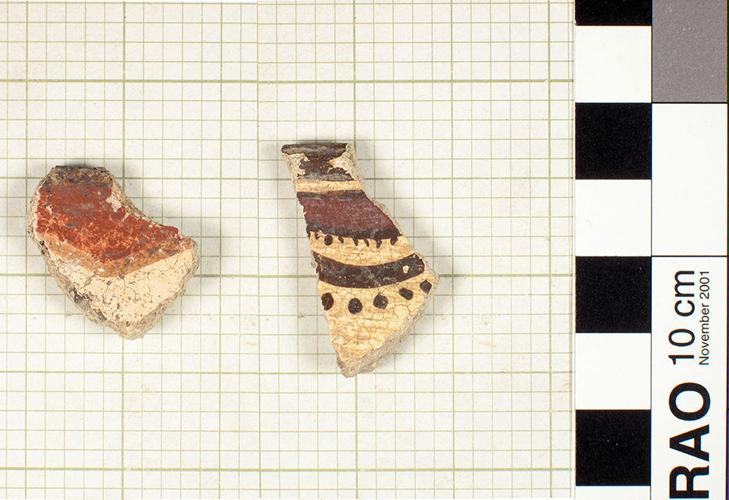
The latest revelation: broken pieces of Zuni Indian pottery, possibly carried back to the presidio by Spanish soldiers after a long military expedition through present-day New Mexico in 1795.
“It’s just a reminder of how connected everybody was,” said Barbara Mills, a regents professor of anthropology at the University of Arizona. “It’s a reminder of how connected the world was then.”
The pottery pieces were found during a dig early last year on the west side of the historic Pima County Courthouse.
The work by Tucson-based Desert Archaeology uncovered parts of the foundations for the 1868 Pima County Courthouse, the 1880s City Hall and Jail and, in a surprise discovery, the abandoned cesspool for the 1881 county courthouse.
Then, beneath these territorial relics, researchers hit their version of pay dirt: a layer of presidio-era garbage as much as 2 feet thick in places.
From one of Tucson’s earliest trash pits, they pulled the bones of common farm animals, musket balls, gun parts and flints, buttons, seashell jewelry, belt buckle fragments and thousands of pottery shards, including a handful that stood out from the rest.
Particular pottery, made from faraway clay
Historical archaeologist Homer Thiel, who led the excavation, said most of the ceramic debris came from red and brown pottery made by the Tohono O’odham and widely used by presidio residents for cooking and serving food.
Mixed in with those pieces were 29 fragments of white-ware pottery associated with the Pueblo people of northern Arizona and western New Mexico.
Earlier this year, Mills and Desert Archaeology ceramic analyst Jim Heidke examined the stand-out shards and identified four of them as Zuni Polychrome, a style that features a white polished coating decorated with bold red and black paint.
“It’s pretty distinctive. There’s nothing else like it,” Mills said.
“Well-fired” and durable, the Zuni-made ceramic vessels came in a range of sizes from small bowls to large mixing or storage pots, all made from “clay you don’t get down here,” Mills said.
“They don’t last forever, but they are definitely well-made indigenous pottery,” she said. “They’re really quite beautiful.”
According to Mills and Heidke, the designs on the shards discovered downtown are in the same style as Zuni Polychrome work that emerged in the late 1700s and early 1800s.
Thiel said that matches nicely with one well-documented trek to Zuni lands by the soldiers stationed at the presidio.
Keepsakes from a march through New Mexico
Spanish Army Lt. Colonel Hugo O’Conor established the Presidio San Agustín del Tucson on Aug. 20, 1775.
It began as a small, crudely built fort surrounded by earthen berms, but it eventually grew to become one of the largest frontier fortresses — 11 acres of settlements surrounding a garrison protected by an adobe wall 8 to 12 feet high and 700 feet long on each side.
The fort was home to more than 400 people, including about 100 soldiers. Outside the walls lived another 500 O’odham and Apache people.
Thiel said it was the northernmost presidio in the area, 100 miles from the nearest stores, but it was “still hooked into the global trade network.”
Along with the Native American ceramics buried in the ruins of the presidio, researchers have also found pieces of brightly colored majolica dishes from the Mexico City area, bits of porcelain from China and pieces of olive jars from Europe.
“Even though they’re really isolated, you still see this stuff” from faraway places, Thiel said.
Captain Jose Antonio de Zuniga took command of the Tucson presidio in 1794, and on April 9, 1795, he led a group of soldiers on a patrol that lasted almost two months and covered several hundred miles.
Thiel said records of the expedition show the group marched eastward from Tucson before turning north.
Ten days into the journey, they battled Apache warriors. After about a month, they reached the Zuni villages in northwestern New Mexico. They were back in Tucson by the end of May, possibly with some souvenirs in hand.
Historical trash with stories to tell
Thiel said it’s likely that the soldiers bartered with the Zunis for pottery, maybe as gifts for family members back at the presidio.
Mills said most of the shards she examined appeared to come from small serving vessels similar in size to a typical cereal bowl.
“They would have been nice to have around your house to serve things in, or you might put it in your kitchen as a reminder of your travels,” she said.
The fact that they ended up broken in a trash pile suggests they were put to everyday use.
“They weren’t just put up on a shelf,” Mills said.
That’s the great thing about sifting through historical garbage, she said. “It tells you the truth about what people were doing.”
“It’s amazing,” Thiel added. “Whenever I see a hole downtown I have to go look at the dirt to see if there’s anything in it.”
The presidio remained in use until the U.S. Army took control of Tucson in 1856. After that, the fortress was gradually dismantled and built over, until the last section of wall came down in 1918.
A line of “bricks” downtown now marks the outline of where the presidio once stood.
Downtown dig uncovered clues about presidio life
Last year’s excavation was done in preparation for the new January 8th Memorial now being built just west of the county courthouse to commemorate the victims of the 2011 mass shooting in Tucson.
Pima County is funding the archaeological work.
Beyond the Zuni shards, Thiel said, the dig site has yielded a large sample of artifacts and food materials from the Spanish colonial period, providing insights into how those early settlers lived.
Desert Archaeology is now preparing a full report on its findings, which is slated for release in August.
Images of the most impressive pottery pieces will be included in the report. The shards themselves will be added to the collection at the Arizona State Museum, along with the other artifacts from the excavation.
Photos: Archeological dig by the Historic County Courthouse
Archeological dig by the Historic County Courthouse
Updated
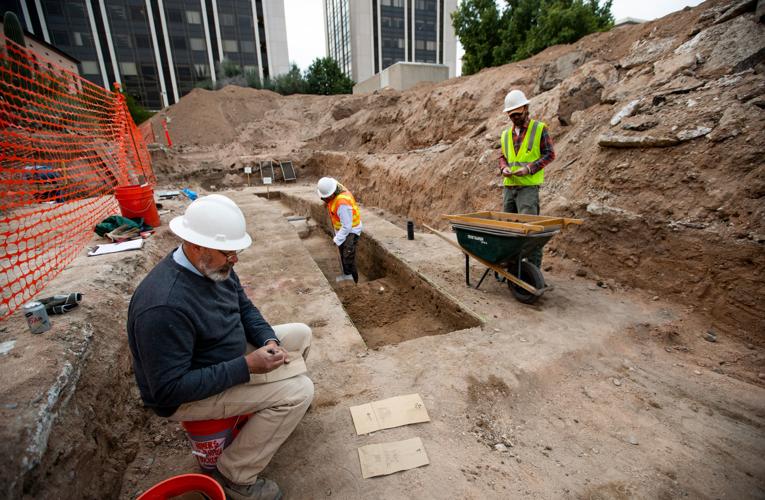
Homer Thiel, left, from Desert Archaeology works at the site of an archaeological dig just west of the historic Pima County Courthouse on Feb. 13, 2019.
Archeological dig by the Historic County Courthouse
Updated
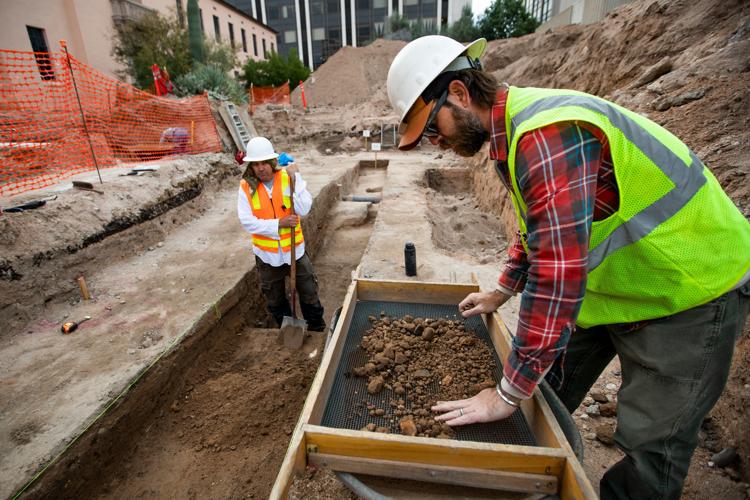
Researchers look for artifacts at an archaeological dig site just west of the historic Pima County Courthouse on Feb. 13, 2019. Pottery shards from the site are providing new insights into life at the original Tucson presidio.
Archeological dig by the Historic County Courthouse
Updated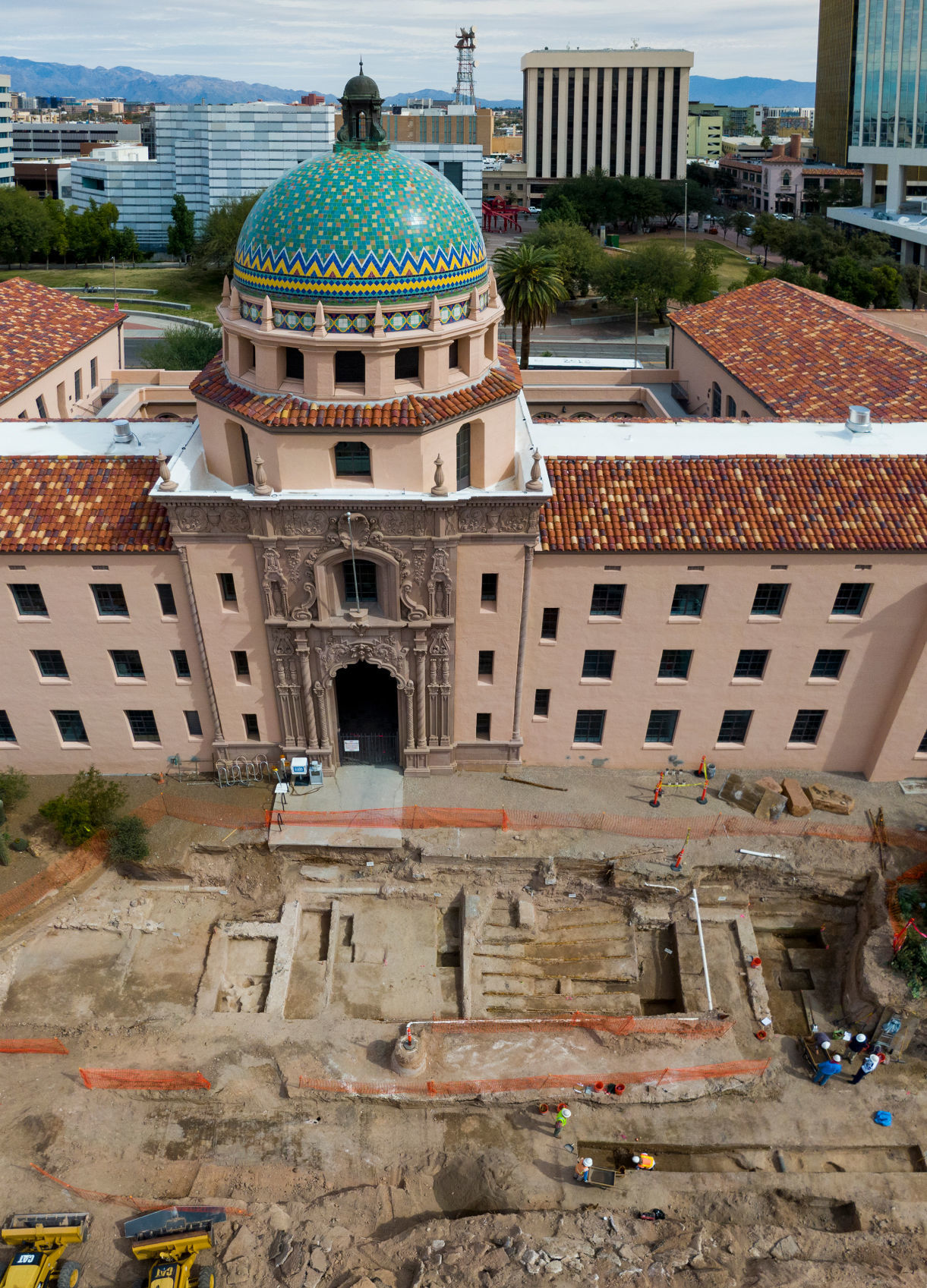
A drone provides an aerial view of an archaeological dig that was completed in 2019 to make way for construction of the new January 8th Memorial next to the historic Pima County Courthouse.
Archeological dig by the Historic County Courthouse
Updated
Workers dig for artifacts from Tucson's presidio past ahead of construction of the new January 8th Memorial on the west side of the historic Pima County Courthouse downtown.
Archeological dig by the Historic County Courthouse
Updated
A researcher holds out an artifact unearthed during a 2019 archaeological dig in downtown Tucson.
Archeological dig by the Historic County Courthouse
Updated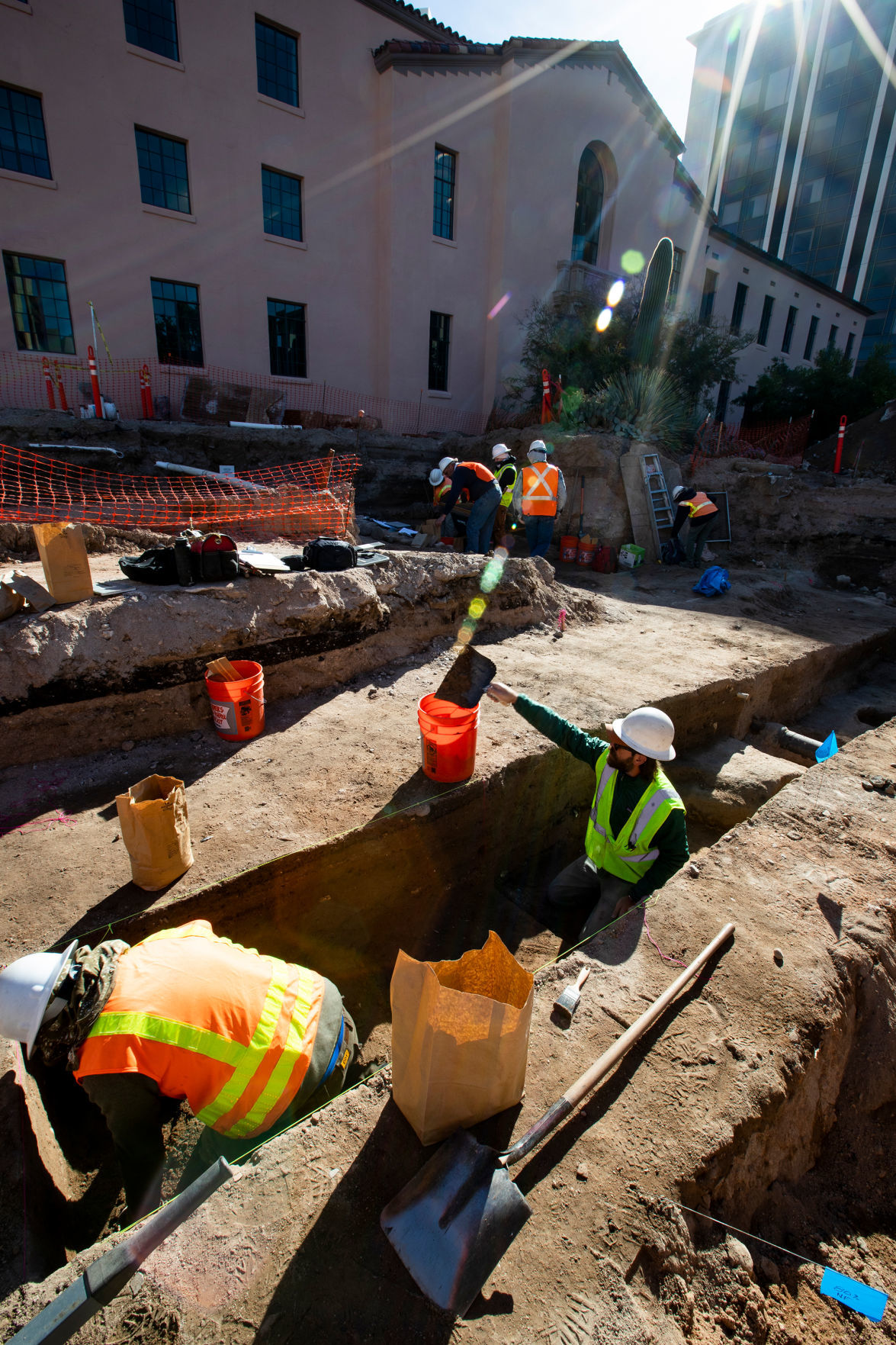
Workers search for artifacts at an archaeological dig west of the historic Pima County Courthouse in 2019.
Archeological dig by the Historic County Courthouse
Updated
A sign marks the location of a long-buried downtown street that was unearthed during an archaeological dig in 2019.
Archeological dig by the Historic County Courthouse
Updated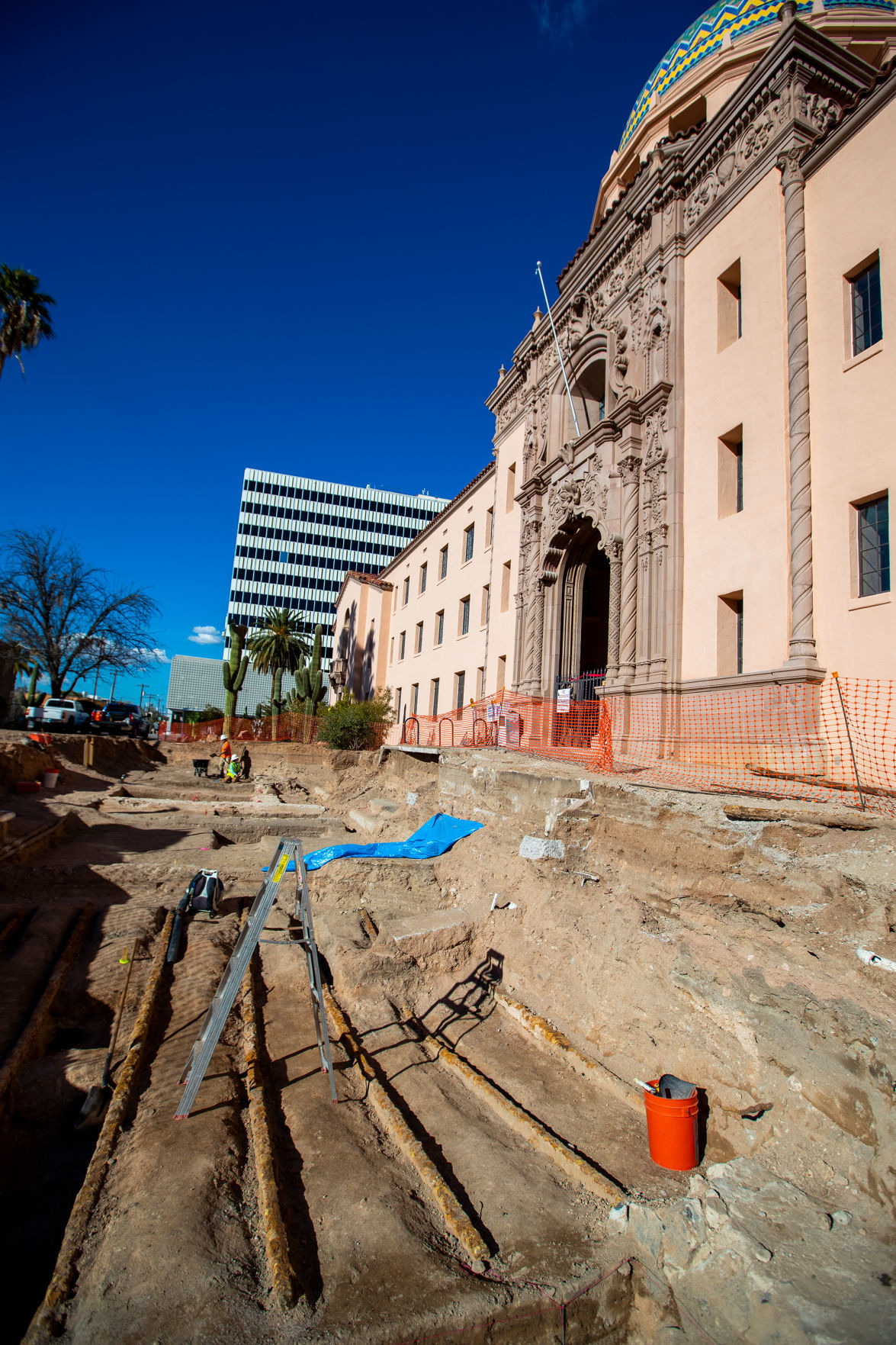
A trench marks the location of an archaeological dig conducted in 2019 in advance of construction on the new January 8th Memorial downtown.
Archeological dig by the Historic County Courthouse
Updated
A drone photo show progress on a downtown archaeological dig in 2019 that unearthed artifacts from the original Tucson presidio.
Archeological dig by the Historic County Courthouse
Updated
During the archaeological dig at the historic Pima County Courthouse, artifacts like this tile fragment from the 1929 courthouse were found.
Archeological dig by the Historic County Courthouse
Updated
These pieces of Mexican majolica pottery were among the artifacts found during an archaeological dig at the historic Pima County Courthouse.
Archeological dig by the Historic County Courthouse
Updated
An archaeological dig at the historic Pima County Courthouse turned up such artifacts as this French-made clay pipe stem.
Archeological dig by the Historic County Courthouse
Updated
This belt buckle was among the artifacts discovered during the archaeological dig in downtown Tucson in 2019.
Archeological dig by the Historic County Courthouse
Updated
Numerous farm animal bones, mostly from cows, were found during a downtown archaeological dig in 2019 that unearthed artifacts from the original Tucson presidio.
Zuni Indian pottery
Updated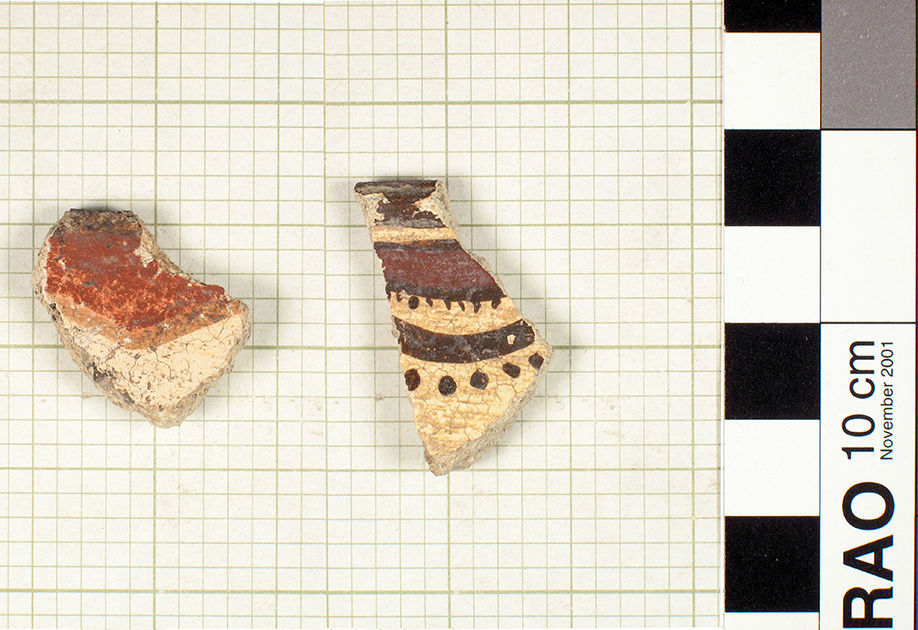
Researchers believe these pieces of Zuni Indian pottery unearthed from the site of the original Tucson presidio may date back to the late 1700s.
Zuni Indian Pottery
Updated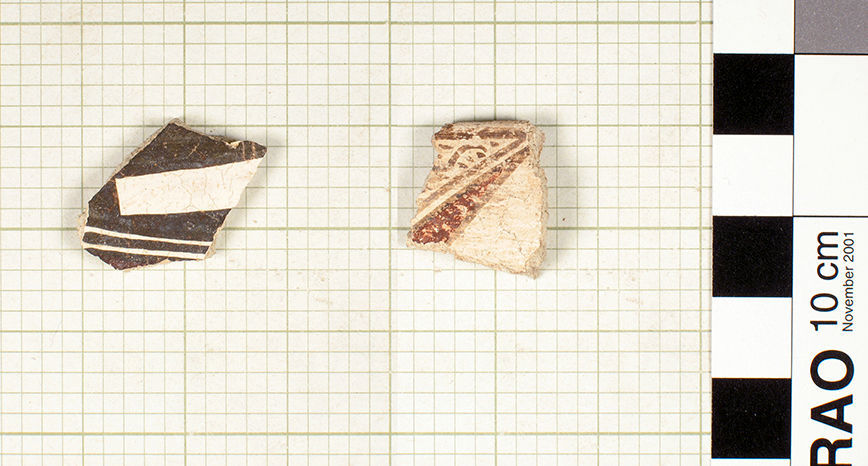
Spanish soldiers may have brought Zuni pottery with them to Tucson after a 1795 military expedition to what is now northwestern New Mexico.

