

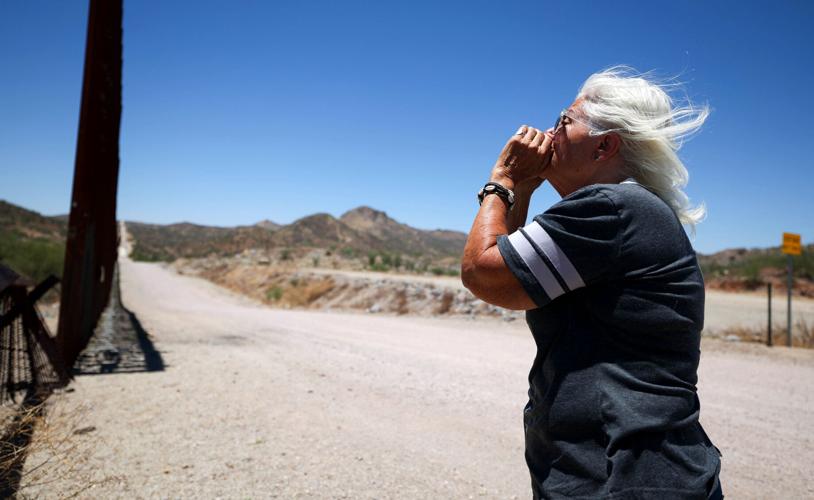


Gail Kocourek can be found on the Arizona side of the border wall two to three times a week, her arms waving high as she yells “Somos amigos,” meaning “We are friends.”

Gail Kocourek, a member of the Tucson Samaritans, yells out for any migrants along the U.S. Arizona/Mexico border near Sasabe.
Kocourek starts her travels about 7 a.m. in Tucson, first stocking up on food, water and first-aid essentials before making a two-hour drive to the near-abandoned border town of Sasabe. She’ll often stop and walk across the checkpoint to feed the dogs at the US-Mexico border before continuing her mission to find migrants who need humanitarian aid.
Kocourek has worked for the Tucson Samaritans, a volunteer-run humanitarian aid group, for about 12 years. The group provides water, food, first aid and other essential items to migrants who cross the border into the Arizona desert. The Samaritans’ goal is to “alleviate the suffering of people who are making the arduous journey to a better life across the harsh Sonoran desert,” according to the group’s website.
“The most dangerous land crossing is probably the Sonoran Desert, especially this time of year,” Kocourek said. “You can’t carry enough water to get across the desert, it’s impossible.”

Gail Kocourek, a member of the Tucson Samaritans, checks how full a Human Borders water tank is off of South Sasabe Road.
Between 2000 and May 2025, the remains of 4,384 migrants have been found in the desert that surrounds Tucson, according to the Pima County Medical Examiner’s Office. Summer temperatures can exceed 120 degrees, and the mountainous terrain can require climbing over rocks that are even hotter.
Since 1994, the US has tried to stop unauthorized border crossings through a strategy called Prevention Through Deterrence. It primarily tries to deter illegal border crossing by making them more dangerous. It doesn’t work, the Samaritans say, and has instead led to an increase in deaths.
“They (Border Patrol agents) go out every morning and look for cuts through their $18 billion wall,” Kocourek said. “It doesn’t keep people away.”
After more than 20 years of giving humanitarian aid in the desert, the Tucson Samaritans, along with the Green Valley/Sahuarita Samaritans, are being featured in an upcoming documentary by Arizona filmmaker David Damian Figueroa.
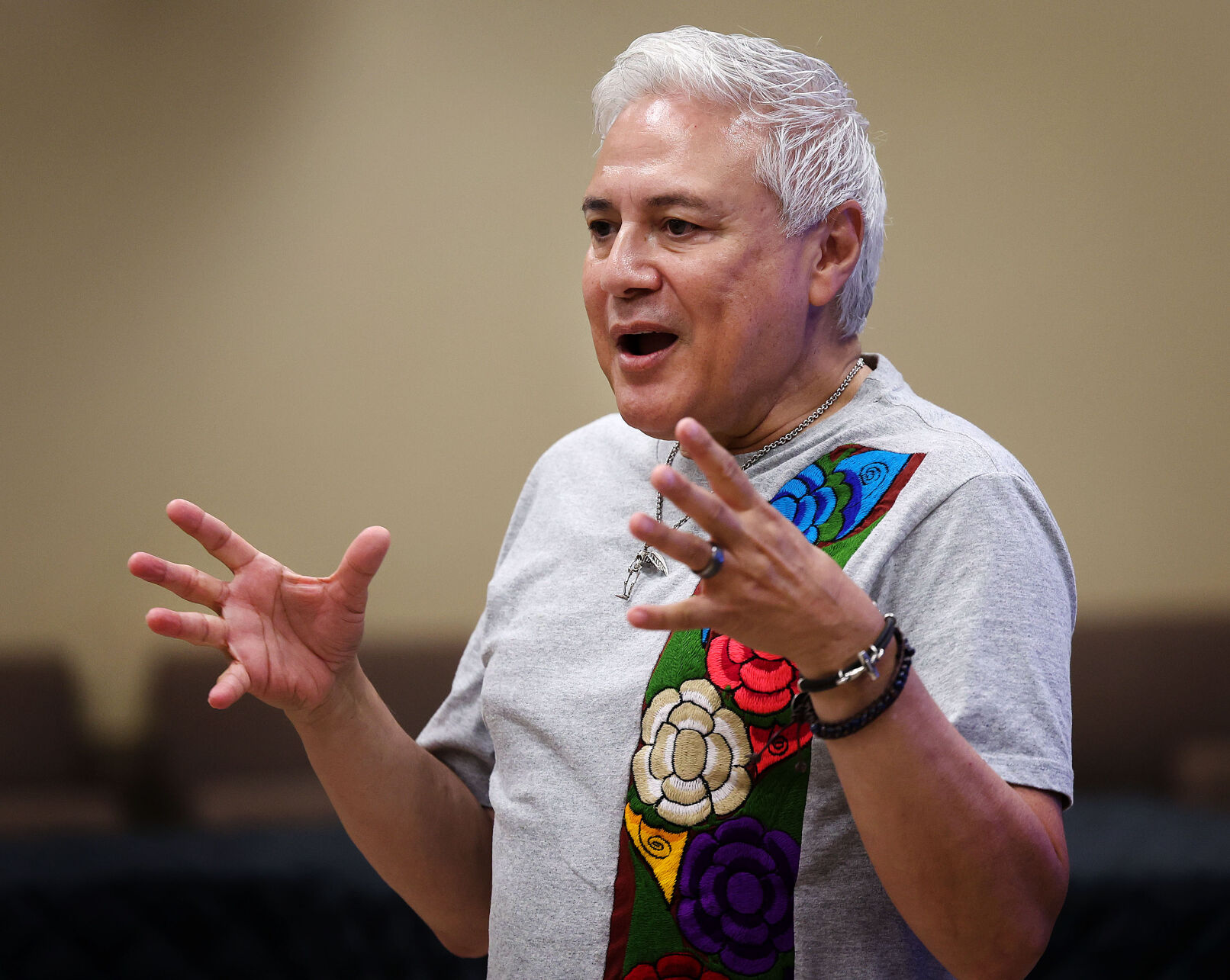
David Damian Figueroa talks about his latest documentary before screening it at The Good Shepherd Church in Sahuarita.
The documentary, titled The Samaritans: Compassion Knows No Borders, tells the stories of what Figueroa calls “extreme volunteering.”
“It’s a little bit different than what most volunteers do, because they are challenged with all kinds of the elements of the desert — the climate, the vigilantes — and all the things they are subjected to in order to do this work and try to deter deaths in the desert,” Figueroa said. “That’s what the story is about, it’s very simple. It’s not political, it just talks about how incredible these humanitarians are in the desert.”
The film will be part of a project called The Truth About Migrants and The Border: Stories of Humanity and Hope. Some of the stories in the documentary are already being brought to film festivals and college campuses across the U.S., including Stanford University, Fordham University and the University of Arizona, as short films for lectures. One of these short films, Shura, was released last year.
“I’m doing this like once a week,” Figueroa said. “I’m trying to get people to spread the message about why migrants cross and that they’re human beings.”
Figueroa grew up doing farm work in cities across Arizona, from Yuma and Buckeye to Gila Bend and parts of Phoenix. It is what shaped his thoughts on migrants.
“The borderlands were very different back in the day. My grandparents were here when it was a territory,” Figueroa said. “My parents and my grandparents have a lot of pride that we grew up as farmworkers.”
Figueroa sang and performed throughout high school and was later a grand finalist on Buscando Estrellas, or International Star Search, where he made it to the finals in the male vocalist category. From there, he got involved with social justice campaigns and became a publicist for celebrities in Los Angeles, which is what generated his interest in show production.
“Eva Longoria is the one who got me into film. The first film we did together was The Harvest (La Cosecha), which was about migrant child farmworkers, and the second was Food Chains,” he said. Both films are on YouTube and Food Chains is available on Netflix.
Figueroa met the Green Valley Samaritans in 2014 when he went on a trip with Shura Wallin, one of the founders. He said her dedication to the work she does was so inspiring to him that he told her he’d someday make a film about her.
“I kept saying I wanted to do this film on the Samaritans, which is how I got into this now,” Figueroa said. “There’s people like myself who have moved here because of Shura, I mean it’s just an honor.”
Figueroa said his goal for the film is to be able to show another side to the dangers of crossing the border.
“I want to be able to get people to think alternatively, that migrant lives are worth saving,” he said. “The work that we’re doing is a form of resistance. ... Marching and protesting is very, very important, but that’s there one day and gone the next. The Samaritans have shown almost 25 years of consistency.”
Figueroa plans to have the film completed in August before bringing it to college campuses and film festivals, including Sundance, South by Southwest and the Arizona International Film Festival, across the country. He hopes to have it available on a streaming service in early 2026 and get it Oscar-qualified shortly after.
“I just wish there were more people with understanding,” Kocourek said. “I wish more people had empathy and compassion.”

Between 2000 and May 2025, the remains of 4,384 migrants have been found in the desert that surrounds Tucson, according to the Pima County Medical Examiner’s Office.
As of May, remains have been found in the desert of 11 migrants who had died within eight months of being discovered, according to the Medical Examiner’s Office. The number is slightly less than it was about this time last year, which counted 16 similar deaths, even though there has been a massive crackdown on border security on both sides.
“If there’s one person crossing, we look for them,” Kocourek said. “If we help one person that comes through, we’re a success, because to that one person you could have been everything.”
Volunteer information for the Tucson Samaritans can be found on their website. While most members are 55+, the organization accepts volunteers of all ages.
Photos: Lochiel border station in 1970s-80s
Lochiel, Ariz. border crossing
Updated
Every morning housewife and customs inspector Helen Mills unlocks the gate that separates the US and Mexico through Lochiel, Ariz., in May 1972. For ten years, Mills has been managing the port of entry, which is mostly made up of five houses, a school and an vacant church. Dan Tortorell / Tucson Citizen
Lochiel, Ariz. border crossing
Updated
Helen Mills, the border customs agent in Lochiel, Ariz., talks to a family travelling in a 1950s model Chevrolet pickup truck in May 1972. Dan Tortorell / Tucson Citizen
Lochiel, Ariz. border crossing
Updated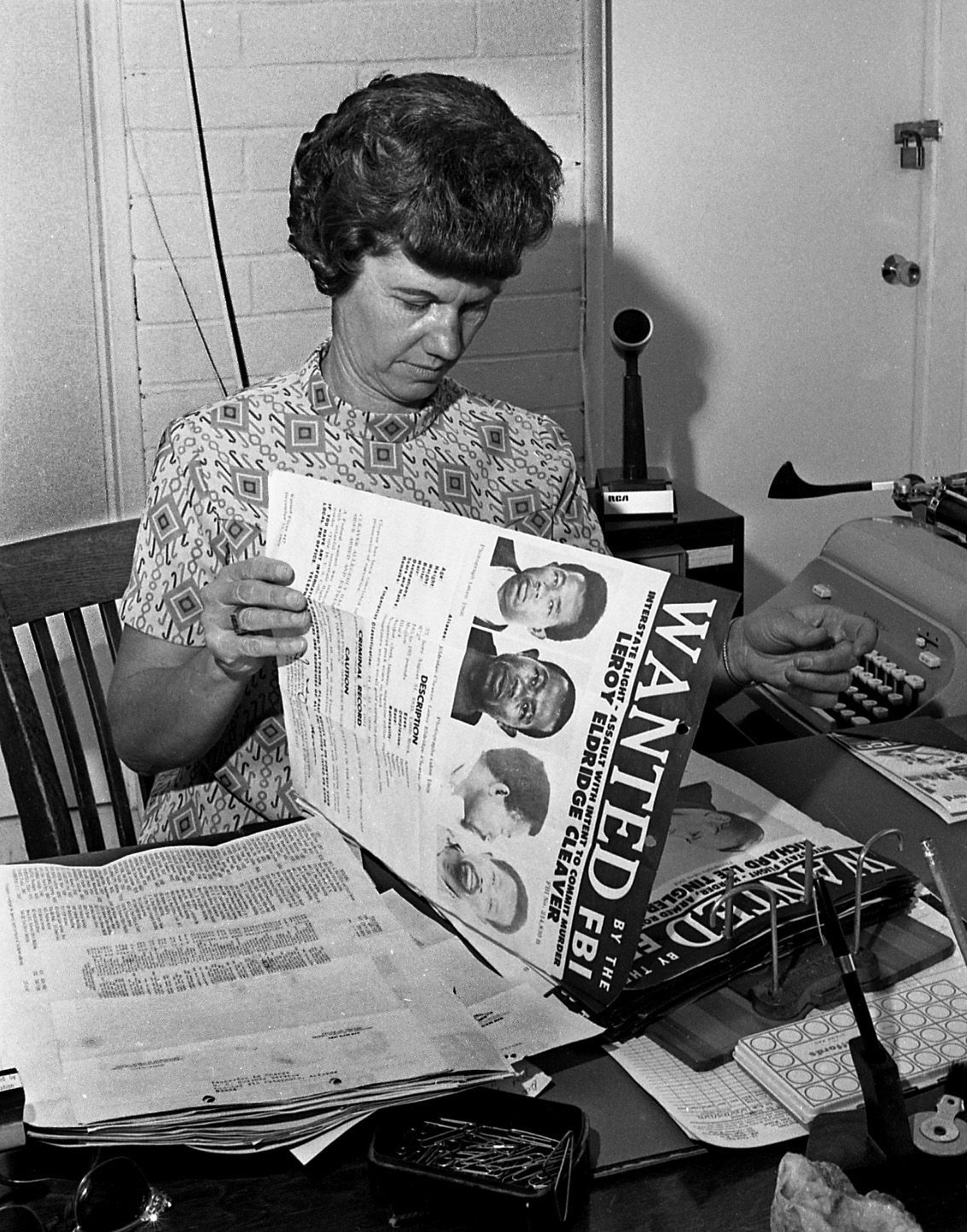
Among her other duties, border customs inspector Helen Mills studies current FBI wanted posters to make sure she is up to date in Lochiel, Ariz., in May 1972. Dan Tortorell / Tucson Citizen
Lochiel, Ariz. border crossing
Updated
Boder customs inspector Helen Mills checks the identification of several young men in a car as they pass through Lochiel, Ariz., in May 1972. For ten years, Mills has been managing the port of entry. Dan Tortorell / Tucson Citizen
Lochiel, Ariz. border crossing
Updated
The hours of operation are clearly posted on the border fence that separates Lochiel, Ariz., from Mexico in May 1972. Dan Tortorell / Tucson Citizen
Lochiel, Ariz. border crossing
Updated
The Mexican customs house, left is just a short distance away from the US house, on the left, across the fence at Lochiel, Ariz., in May 1972. Dan Tortorell / Tucson Citizen
Lochiel, Ariz. border crossing
Updated
Housewife and customs inspector Helen Mills looks over the trunk of a man travelling north from Mexico as he passes through Lochiel, Ariz., in May 1972. Barely a dozen vehicles make their way across the border but it is a major convenience to the local residents. Dan Tortorell / Tucson Citizen
Lochiel, Ariz. border crossing
Updated
The US Customs building, right, at Lochiel, Ariz., is just a short distance away from the international border in May 1972. Dan Tortorell / Tucson Citizen
Lochiel, Ariz. border crossing
Updated
Aside from her duties as a customs inspector at Lochiel, Ariz., Helen Mills makes sure her two sons, Trace and Dalton, have done their 4-H chores before going to school in May 1972. Dan Tortorell / Tucson Citizen
Lochiel, Ariz. border crossing
Updated
Flag-raising, and lowering, is one of the many tasks performed by border customs inspector Helen Mills as she works in Lochiel, Ariz., in May 1972. For ten years, Mills has been managing the port of entry. Dan Tortorell / Tucson Citizen
Lochiel, Ariz. border crossing
Updated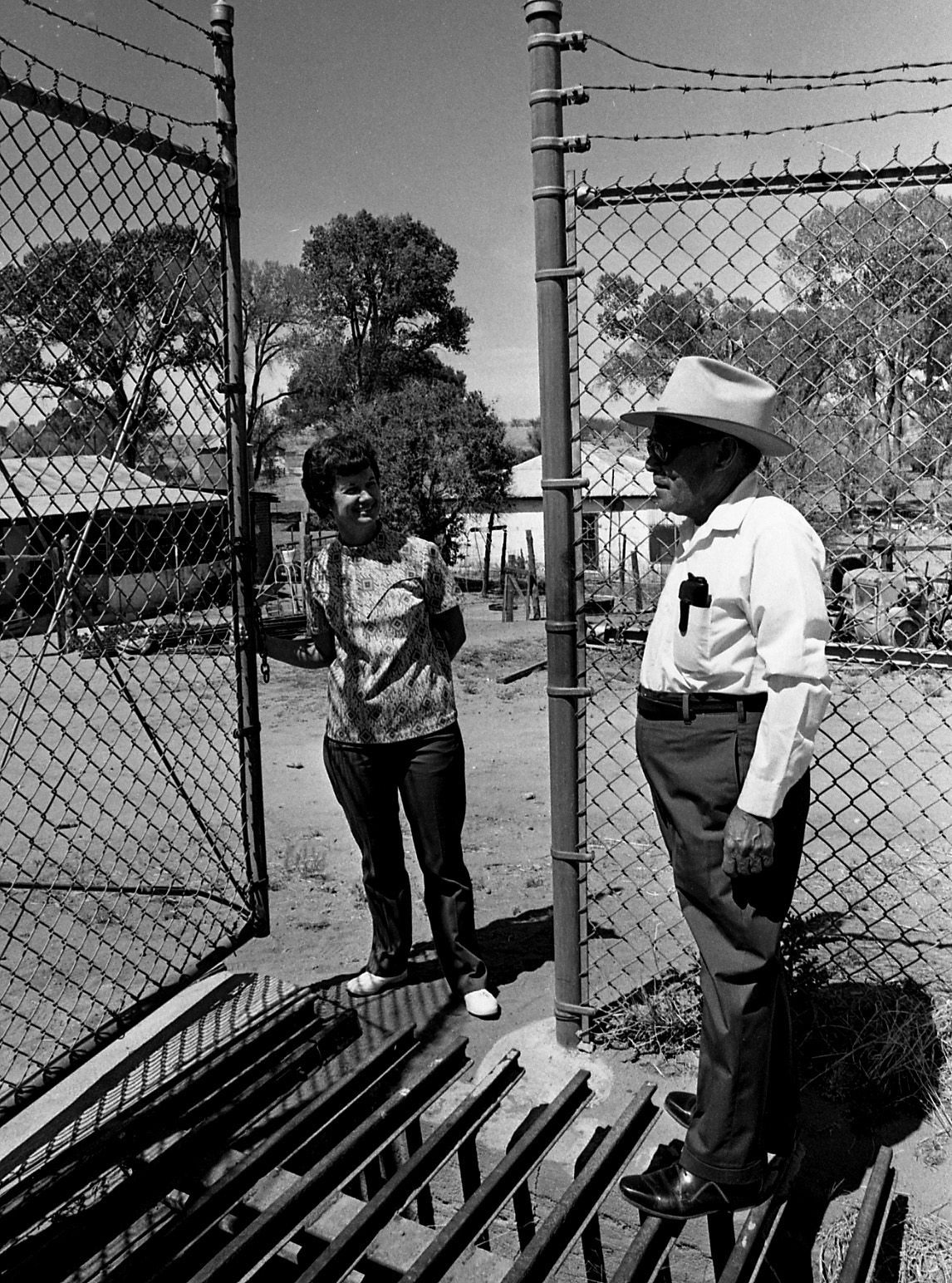
Border customs inspector Helen Mills does the best she can as she communicates with her Mexican border inspector Efrain Merino-Lara, as he stands on the cattle guard at the border at Lochiel, Ariz., in May 1972. She does not speak Spanish and he does not speak English. Dan Tortorell / Tucson Citizen
Lochiel, Ariz. border crossing
Updated
U.S. Customs Service agent Mike Danielson appraches a vehicle at crossing into the U.S. at the U.S. Custom House at the U.S. / Mexico border crossing gate in Lochiel, Ariz., in September, 1983.
Lochiel, Ariz. border crossing
Updated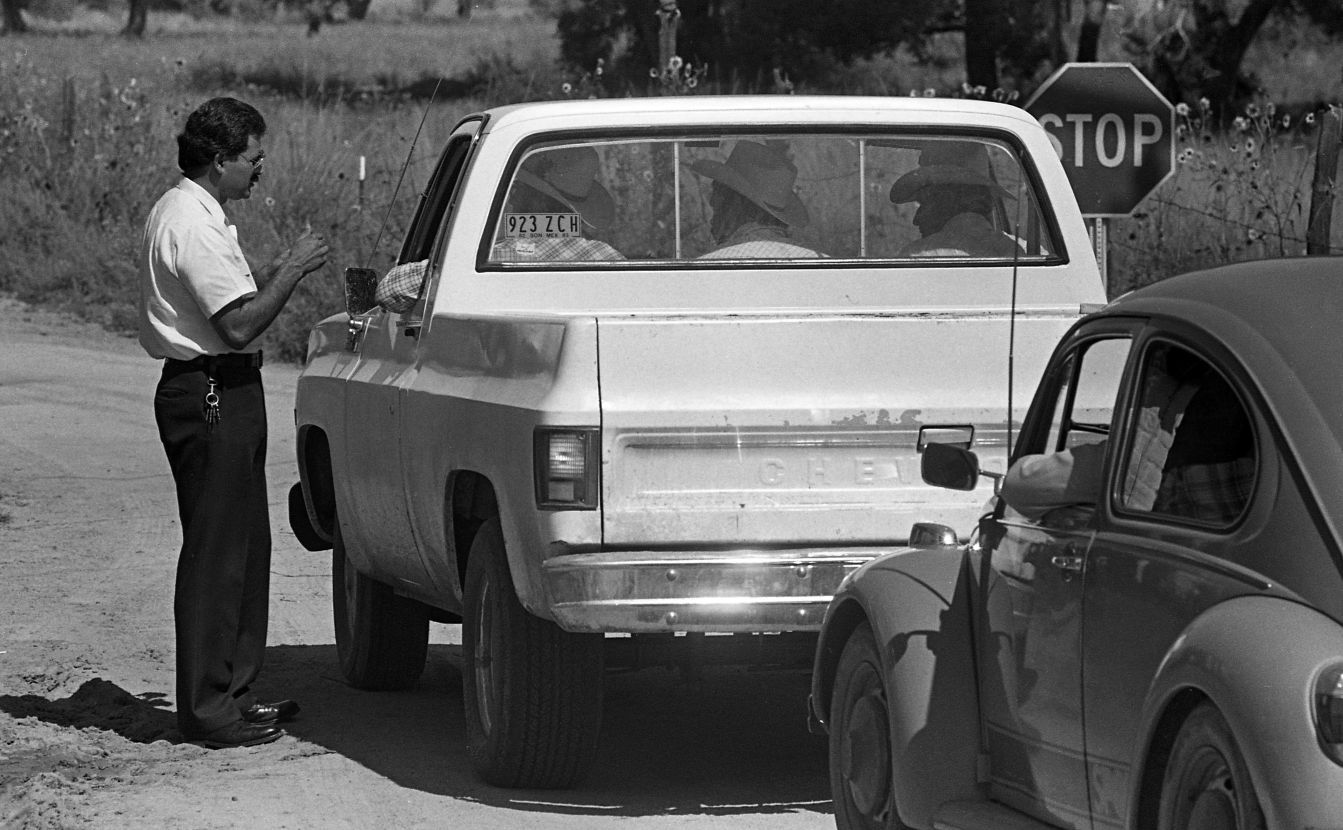
U.S. Customs Service agent Mike Danielson talks to three men crossing from Mexico into the U.S. at the U.S. / Mexico border crossing gate in Lochiel, Ariz., in September, 1983.
Lochiel, Ariz. border crossing
Updated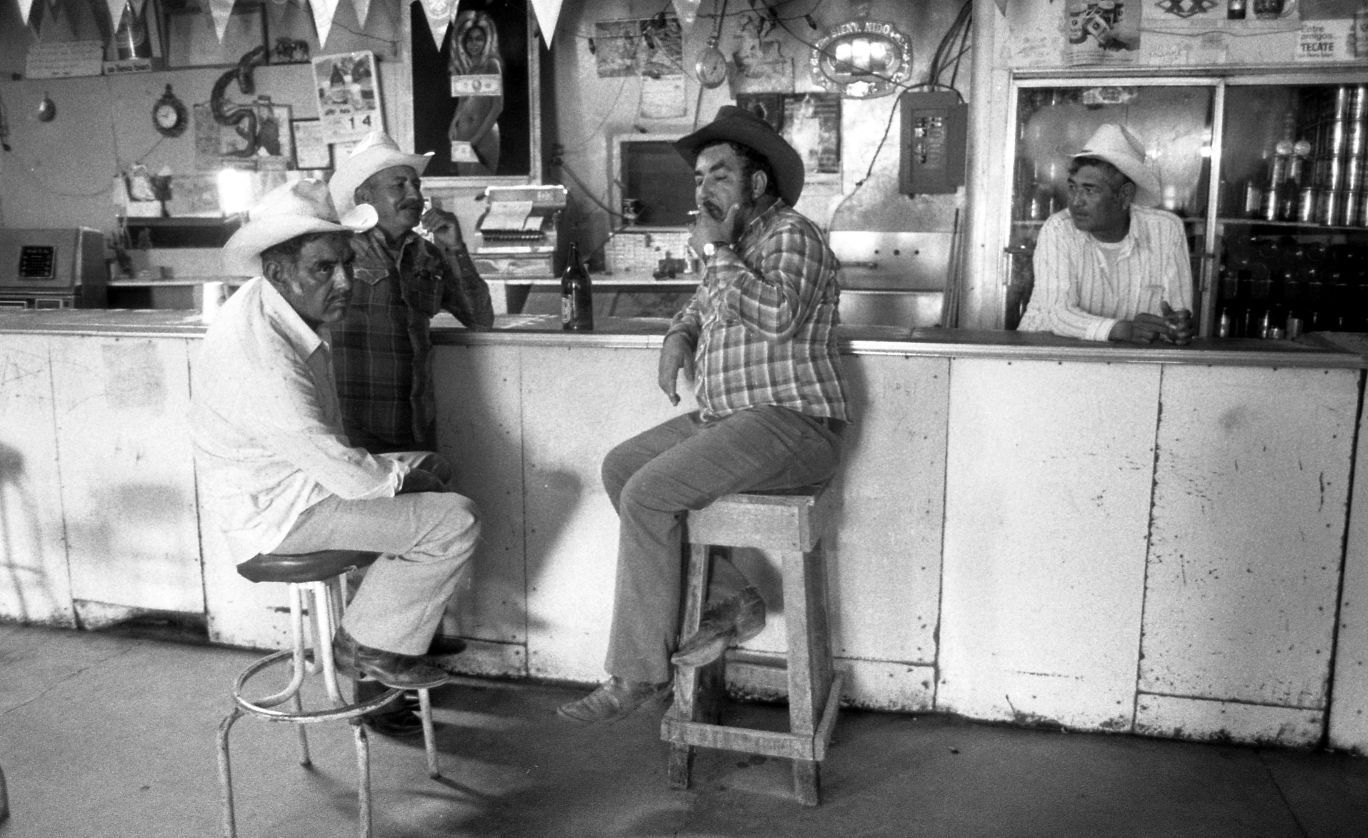
Sonora, Mexico, residents near the U.S. / Mexico border crossing gate in Lochiel, Ariz., in September, 1983.
Lochiel, Ariz. border crossing
Updated
The gate at the U.S. / Mexico border in Lochiel, Ariz., in September, 1983. Hours of service at that time were 10am to 4pm.
Lochiel, Ariz. border crossing
Updated
LOCHIEL, Ariz., 2006: The border and former gate for the port of entry at Lochiel, AZ.

