




The University of Arizona’s faculty chair sent an email with a cut-and-save card telling faculty their constitutional rights and advising them to carry it with them in case they are stopped by law enforcement officers asking them to prove their citizenship status.
“I do not wish to speak with you, answer your questions, or sign or hand you any documents based on my 5th Amendment rights under the United States Constitution,” says the card sent out Friday by Chair of the Faculty Leila Hudson, in the midst of President Donald Trump’s immigration crackdown.
“I do not give you permission to enter my home based on my 4th Amendment rights under the United States Constitution unless you have a warrant to enter, signed by a judge or magistrate with my name on it that you slide under the door. I do not give you permission to search any of my belongings based on my 4th Amendment right.”

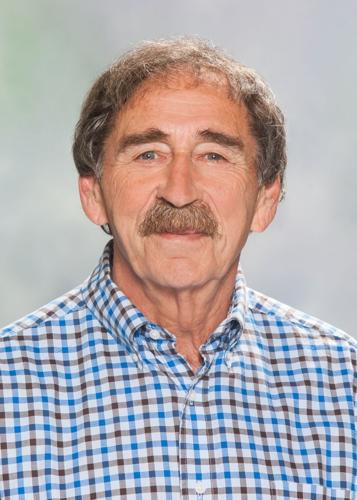
Hudson
The cards instruct faculty to: not open the door if an immigration agent is knocking; not answer any questions; not sign anything without speaking to a lawyer; ask the agent if you can leave if it happens outside your house and then leave calmly; and slide the card under the door or through the car window to show it to an agent.
Hudson said she sent the email as preemptive, informal guidance, saying it was consistent with her role as faculty chair, especially in light of an Arizona Board of Regents’ mandate to educate university communities on civics and American institutions.
Hudson said faculty reaction has been positive.
“I’ve got to tell you, when I read it, I wept,” said Thomas J. Volgy, a political science professor at UA’s School of Government and Public Policy and an immigrant whose family fled an authoritarian regime in Hungary when he was a child. “It’s the government that is supposed to guarantee our constitutional rights, and for us to have to carry cards around to tell the government that it’s violating our rights, seems absurd in this day and age.”
Volgy said Hudson’s action was positive, since she was reminding the university community of their rights and advising them on how to respond without physical confrontations in potential incidents with ICE (U.S. Immigration and Customs Enforcement) agents.
“What’s scary and not so positive is that we have to do that,” he said.
“The political climate right now is horrendous,” said Volgy, a Democratic former mayor of Tucson, adding that we ought to be working together to address immigration issues, not dividing ourselves.
“If the early reports on what they were doing in New York and Chicago are accurate, which is they’re rounding up people because they speak Spanish or because of the color of their skin, then we are back in the 19th or 18th century and I don’t want to be there,” Volgy said.
Johann Rafelski, a UA professor of physics and an immigrant from Germany, spoke of his experience and said he was used to carrying around his “passport card” after being stopped by law enforcement.
“You see, like many, I am an immigrant and it is not written on my back I am legal,” said Rafelski. “ ... I chose to solve these complications by investing $8 in having a secondary passport card.”
“Bravo” to Hudson for looking out for their legal rights, Rafelski said.
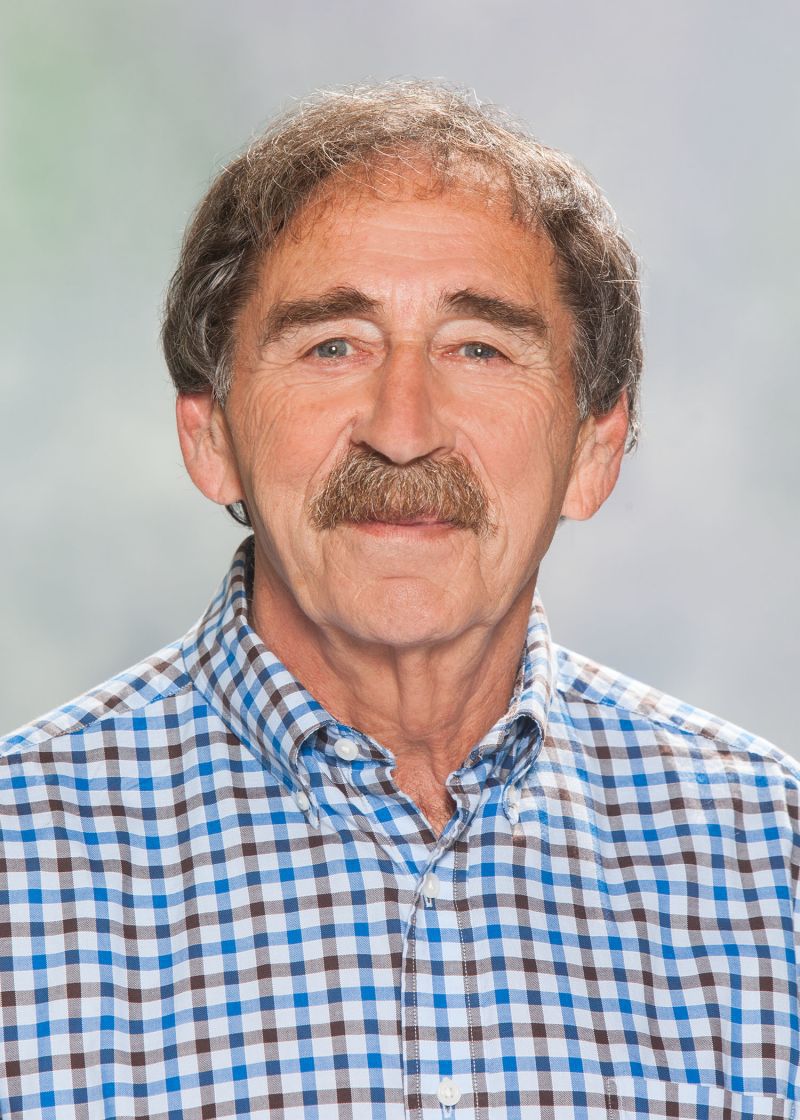
Volgy

