


The summer monsoons will be here before we know it. Don’t wait until then to find out if your roof can withstand the wind and rain.
I turned to Rosie on the House certified partner Alonso Popejoy of Armored Roofing to help answer these common roofing questions.
Question: When is the right time to get my house’s roof inspected?
Answer: When did you last hire a roofing professional to inspect your roof? Most people don’t do that until something has gone wrong. Here are some of Popejoy’s recommendations:
Do an inspection every year. It is not very costly and can potentially save you quite a bit in avoided repairs and/or premature replacement.
After a high windstorm. Shingle and tile roofs can be particularly susceptible to damage from extreme winds. Shingles or tiles can blow off or be damaged by flying debris. Either way, catch this early before the damage becomes worse.
After a hail storm. Mighty hailstorms have been known to frequent our state. They can cause a lot of damage to all types of roofing, even metal roofs, which are known for their sturdiness. If your neighborhood falls victim to such a storm, call a professional to see if there is damage. If there is, ask the roofing professional if their company can help you file an insurance claim.
Q: Is there any maintenance I should do to extend the life of my roof?
A: Yes, and doing it is very important.
Because the roof is a part of our home that we rarely see, it can fall into the out-of-sight, out-of-mind category when it comes to maintenance. Here are some ways you can act on your roof’s behalf:
Keep the trees surrounding your home trimmed so branches cannot touch the roof, particularly on a windy day. Branches can wear out shingles and knock tiles loose.
Keep debris from hindering the normal drainage of water off the roof. Debris can clog the roof’s valleys and create standing water or send the water, particularly on a tile roof, to an undesirable location.
If there is a pipe, chimney, flue or even an old antenna or satellite dish that is no longer in use, remove it and patch the hole. If you don’t, the sealant around the unused penetrations will give way and likely cause a leak.
Replace missing or damaged tiles before the leak starts. You are asking for costly trouble if you don’t.
Keep the gutters clean. When gutters clog, water can back up under the roofing material, causing damage to the subsurface and leaking through an overhang.
Q: What are the most common roof repairs?
A: Leaks are the most common roof repair. When they show up inside your house, collateral damage likely occurred. Insulation, drywall damage, painted surfaces or any interior finish that can be damaged by water adds to the roof repair cost. Common causes of leaks include:
A roofing tile or shingle is missing, thus allowing water to penetrate the protective surface.
Aging underlayment. Popejoy says the old style of roofing underlayment is not as sturdy as the materials used today. If your roof and its underlayment are more than 15 to 20 years old, you should have it looked at. This, of course, is primarily directed at concrete tile roofs where the underlayment is more visible. Visible underlayment on a shingle or flat roof indicates it needs to be repaired.
Roof penetrations are a common location for a leak to occur. As we mentioned, the sealant around roof penetrations can become brittle and crack due to the movement caused by expansion and contraction. Even the rubber-like membrane of a simple roof jack can become brittle and crack. Water gets in, and damage occurs.
Roof-mounted HVAC equipment is another common source of roof leaks.
The old adage, “An ounce of prevention is worth a pound of cure,” was probably coined by a roofer. (Just kidding, I don’t know where that came from.)
Q: What should I consider when selecting a new roof?
A: There are many choices for roofing materials, though not all of them will fit your home. Here are some things to consider when making a material choice:
Structural concerns. If you currently have a shingle roof, you may be able to re-roof it with a second layer. If you have two layers on your roof now, adding a third is not a good idea as your roof structure, either conventional framed or trusses, may not be structurally capable of handling the extra weight. The same issue applies when using concrete tiles to replace a shingle roof. Popejoy recommends consulting a structural engineer.
Shingles have changed over the years. The old three-tab shingles are no longer in play and have been replaced by “architectural” or “sculpted” shingle designs. Their designations are typically known by their warranty period, which is 25-year, 30-year, and even 50 years for roofing shingles.
Tile roofs are as good as their underlayment. Popejoy tells us that two layers of a 40-year underlayment are usually the better way to proceed. The battens used to support the tiles also make a difference. Using battens that allow water to pass under or around them avoids standing water accumulating and potentially damaging the underlayment.
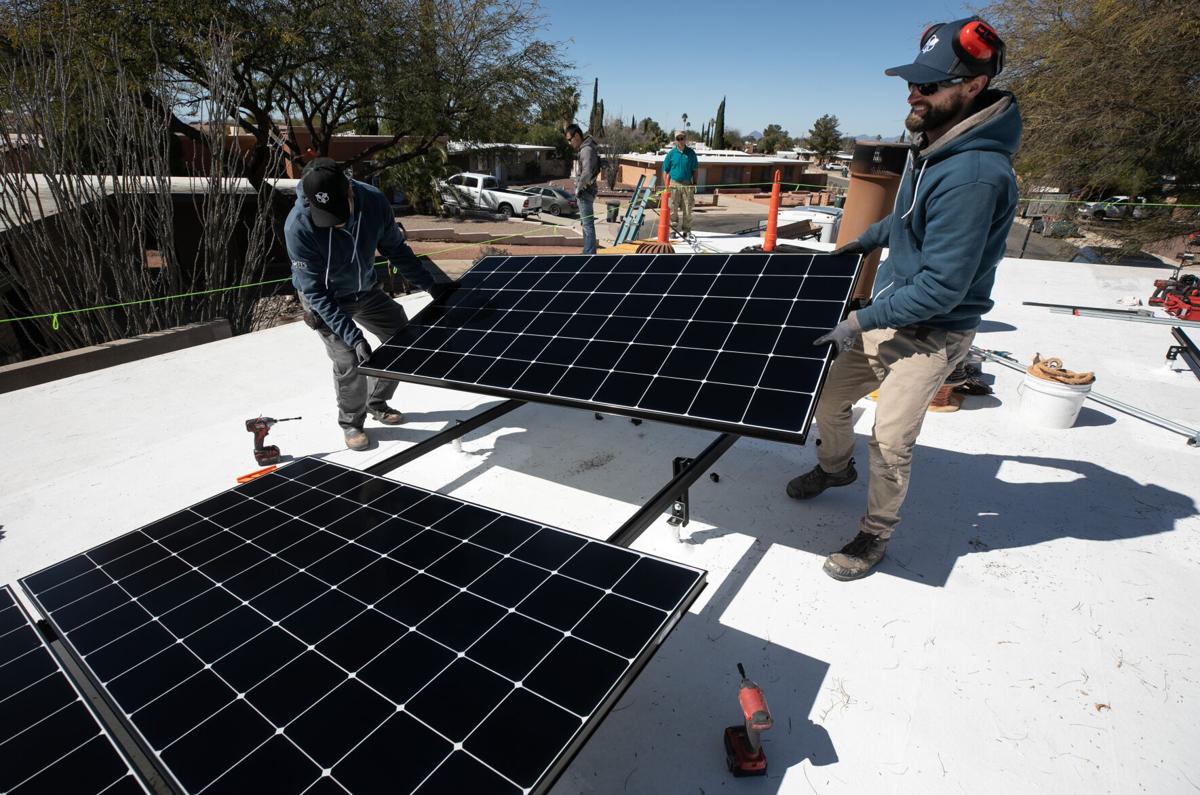
Popejoy noted that if you’re considering installing solar panels, you must inspect the roof first. If your roof is 10 years old or older, you may want to consider a new roof before installing the panels. The last thing you want to do is install solar panels and then pay thousands of dollars more to remove them in a few years to install a new roof.
Tucson Water: How to Detect Leaks

