


Question: I am new to Tucson. I heard my pets shouldn’t stay outside by themselves. Why?
Answer: There are plenty of wildlife who can easily harm your pets.
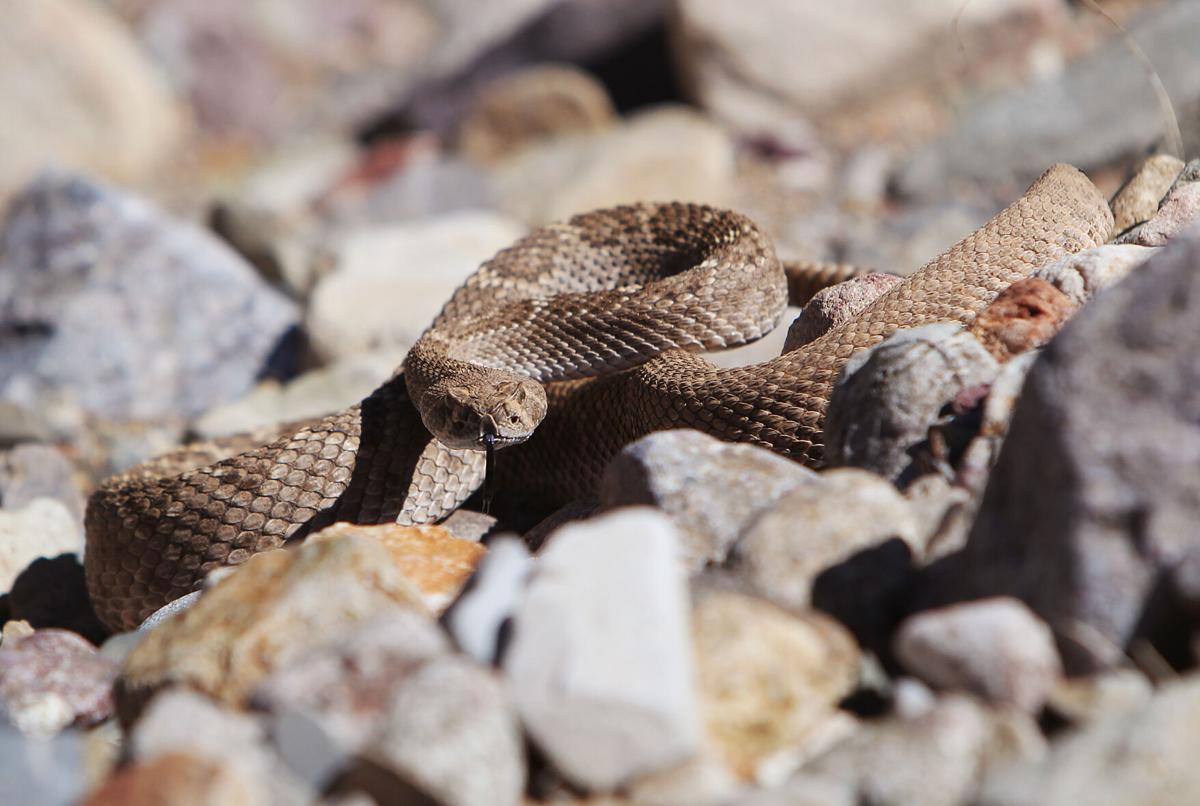
Snakes — There are 13 species of rattlesnakes in Arizona. Rattlesnakes and other venomous snake bites are extremely dangerous and require immediate medical attention. Snakes are generally more afraid of us than we are of them. They hide in bushes, under rocks, houses, and sheds, or in holes that they or other critters have created. Curious noses tend to get bit.
Toads — The Colorado River Toad is also known as the Sonoran Desert Toad. It is commonly found during mid-summer to early fall. These toads have a potentially fatal, poisonous excretion on their skin. Don’t let your dog play, lick, or eat them.
Coyotes — Coyotes may look like dogs, but they are far more predatory. They hunt in groups and pose a threat to small dogs, cats, and rabbits. Yards with abundant fruit on the ground, pet food, unsecured garbage cans, or unattended pets are often convenient food sources. Coyotes may consider larger or loud dogs a threat to their territory and become aggressive toward them. Even leashed dogs can be attacked.
Bobcats — Bobcats are most active around sunset and sunrise. It is not uncommon to find one napping under a shrub in a brushy backyard. Bobcats are attracted to yards with abundant wildlife, domestic birds, small pets, water, shade, or shelter. Although bobcats look cute and cuddly, they are predators, and the possession of live bobcats is illegal (and dangerous).
Birds of Prey — Arizona raptor populations typically increase during September to April as northern birds arrive and some forest birds descend to lower elevations. Raptors may be attracted to small pets or domestic chickens because they are similar in size to their normal prey. They can be found anywhere, including near bird feeders. Harming a raptor will result in a large fine.
Javelina — Often mistaken for wild pigs, javelinas are members of the peccary family, a group of hoofed mammals originating from South America. Dogs are natural predators of javelina, and they can seriously hurt or kill each other.
Scorpions — Scorpion stings are painful and can cause and life-threatening reactions. Use a blacklight to find them in the dark.
Q: I just moved from a cold climate. What do I need to know to keep my two dogs and one cat healthy?
A: Aside from the wildlife and cactus, there are four health issues to be aware of; valley fever, heat, burned paws, and sunburn.
The weather and soil conditions in the Southwest propagate a fungus called coccidioides that are easily picked up by the wind causing valley fever in humans and animals. Valley fever can infect the lungs and spread to other organs, causing serious disease. Symptoms in pets include, fever, dry cough, decreased appetite, limping and seizures
It is important to treat infected pets to prevent the disease from progressing. Because valley fever prevention does not exist, pet owners must be aware of the disease and its symptoms.
Heat is a significant danger to Arizona pets.
Always provide access to fresh, cool water and shade.
Leave at least an inch of fur when grooming your pet to provide insulation from the heat.
Never leave a pet in a car unattended, no matter for how short a time.
Take them outdoors during the cooler parts of the day.
Pay close attention to signs that your pet may need to go indoors, such as heavy panting, vomiting or diarrhea, or weakness.
Burned paws are a common issue from April through September. if you won’t walk on a hot surface, don’t make your pet do it.
Avoid long walks and hikes in the high heat of mid-day.
Walk your dog early in the morning or late in the evening.
If your dog must go outside mid-day, use protective paw booties.
Animals with white ears and fur and pink noses are susceptible to sunburn. PetMD suggests limiting the amount of time your pet spends in the sun, especially between the hours of 10 a.m.-2 p.m. when the sun is at its highest and the rays most damaging. If your cat spends a lot of time on the windowsill during the day, place a window shade or reflector over the glass to block UV rays.
Be mindful of your pet’s surroundings. Keep an eye on your animal companion. Make sure you know where the nearest full-service and 24-hour vet is located in case an emergency occurs.

