


Question: What is the key to living out retirement well?
Answer: A key component for most people is that they would like to be as active, independent and self-sufficient as much as they can, as comfortably as they can and for as long as they can. The independence component contributes to maintaining a sense of dignity.
Q: What are some things that will make ongoing independence a reality?
A: Figuring out the right solution for yourself or a loved one might require some creative thinking. Planning ahead is key. Some of the solutions that we have seen work for others:
A couple who is close to retirement and plans to downsize proactively. They will move to an independent living facility at the point they do retire. They hope this will keep them in the driver’s seat when it comes to personal care decisions and relieve any burden on their children.
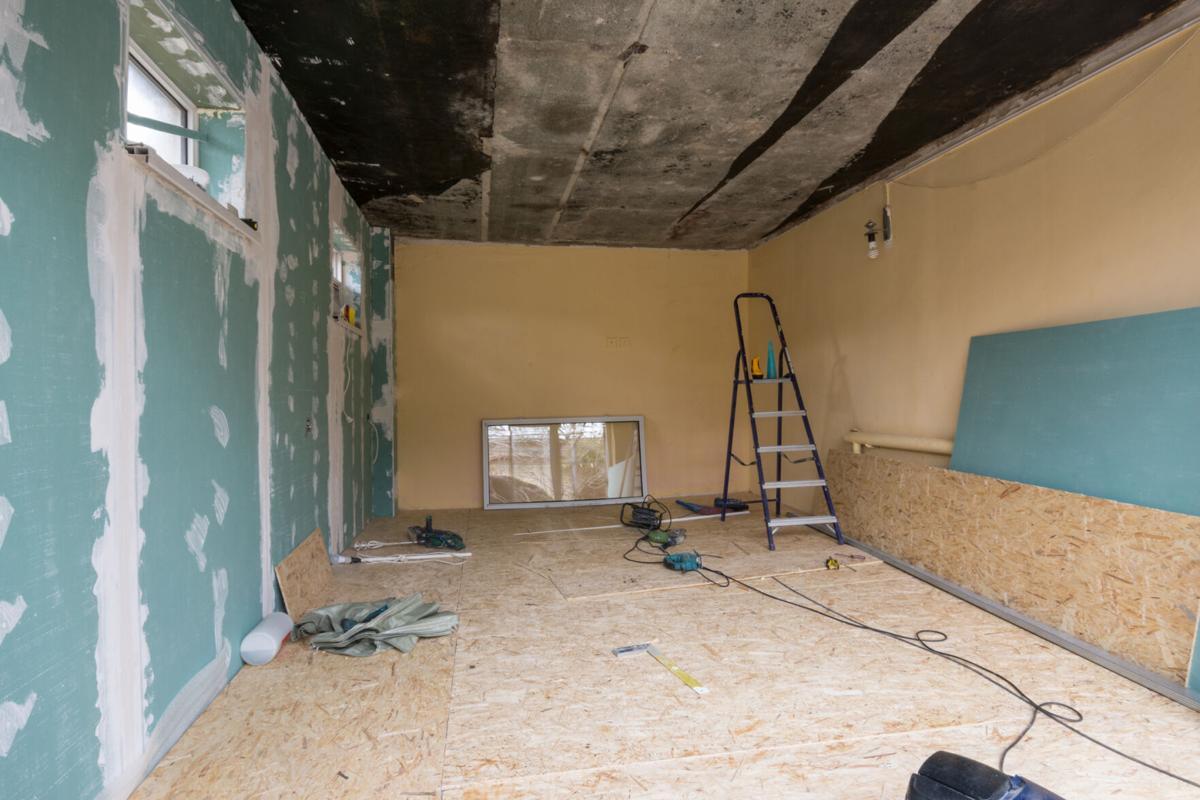
An older couple who has converted one bay of their garage to an apartment for a caregiver.
A single retired woman is happy to stay in her home of 50 years. At 80 years old, she enjoys good health despite aging muscles and bones and works to maintain her home a little at a time each day. She cares for her 1-acre property and two horses on a minimal budget; she is happy to be outdoors and able to do for herself. At the point she can no longer take such good care of her home, selling it should allow her to move to an assisted living facility.
Multi-generational living is a common choice we see as well. Privacy and independence are just as important within this model. Some of the arrangements we have seen to maintain some privacy include:
Conversion of a guest bath and bedroom to a homey space. The guest room becomes a bit like a hotel room with a coffee maker, a microwave, TV, mini fridge and a reading chair.
A garage conversion set up similar to a small apartment with a sitting room for daily activity, bedroom and bathroom.
Over the last few years, we’ve seen a rise in backyard casitas. They offer privacy and access to family in a unique way. Due to COVID-19 and the restrictions/isolation that occurred to many in nursing homes and facilities, this trend has gained momentum in to keep loved ones close.
Q: What are some practical ways/questions to ask for planning ahead?
A: If you find yourself planning to live at home as long as possible or maybe inviting your folks to live with you, consider these challenges:
Daily living: The first challenges with aging tend to be dexterity, balance and diminished clarity of the five senses. It is a good exercise to consider how you might improve the layout, lighting and access to the home.
Physical abilities of the person aging: Are they able to perform the activities of daily living like eating, bathing, toileting, getting in and out of bed or their favorite chair? If not, consider ways to help get these tasks accomplished.
Access to services: Doctors, shopping, emergency services, transportation in general — how can they get to where they need to go, and are others able to get to them?
Staying connected: One of the down sides to staying at home is having too little human contact. This was especially true and challenging during the COVID-19 lockdown. Nothing replaces human touch and contact. How will we keep ourselves and loved one feeling connected to one another?
Q: This sounds overwhelming and expensive.
A: Fortunately, we live in a time where there are many solutions and not all solutions are expensive. Tune-in to the “Rosie on the House” broadcast on Saturday mornings where we will discussions, solutions and resources available.

