


Question: How does a whole-house generator work?
Answer: A whole-house generator uses natural gas or liquefied petroleum gas (propane). The generator is connected to your home’s electrical wiring and the fuel source. These are fully automatic systems.
The auto-transfer switch (ATS) detects a power outage and restores power with the generator in less than 10 seconds. When the grid voltage is restored, the system will connect your home back to the utility lines and turn itself off. This can be programmed with a delay of 10 minutes to reduce the ‘chatter’ of off/on as the grid restabilizes on restoration reducing spikes and surges on your home appliances.
Q: Which one is better; a gasoline powered or natural gas powered generator?
A: Portable generators have limitations. Some run on gas, which has a short shelf life of three to four months. Gas just doesn’t store well. In addition, you will need to refuel frequently throughout an outage which can be very dangerous and inconvenient during extreme heat or violent storms.
Propane and natural gas are better options because they are piped to the generator for automatic usage and don’t have the storage issues that gasoline or diesel do. A 250-gallon tank can power a generator at a rate of two to three gallons an hour for several days. At the minimum, buy a 250-gallon tank. The cost difference between a 250 and 500-gallon is nominal. Also, the tank can be buried underground and propane, unlike gas, will stay in the tank for years and not go bad.
Q: Can I pair solar energy with a generator?
A: Yes. Home generators can be a great source of security and comfort during storms and power outages.
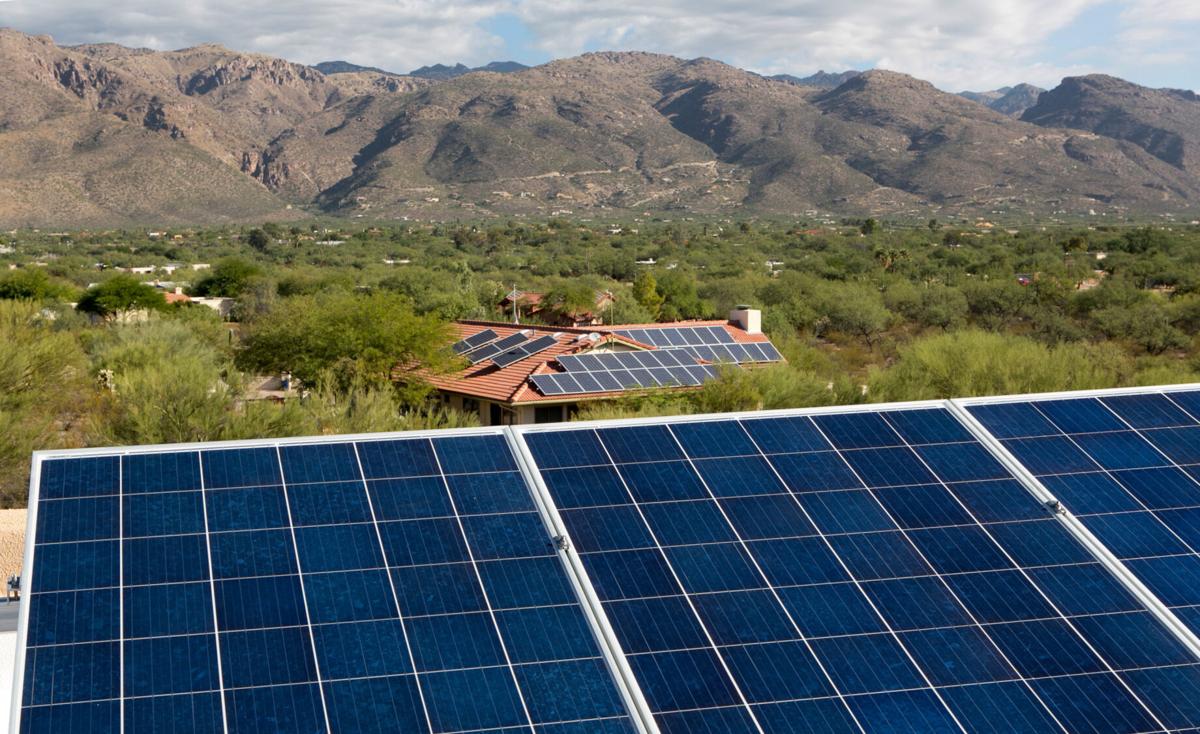
Pair the solar system with a battery and generator regulated with a smart switch. When the grid goes down, the smart switch takes over. It seamlessly disconnects your home from the grid, maintaining your solar production if the sun is out. It uses the power stored in your battery either solely or supplemental as required while utilizing the generator to power air conditioners or other larger loads.
This system ties solar panels and battery storage systems together to coexist with the generator. It will monitor the generator if it does not need to run all the time conserving fuel. The smart switch will regulate the generator. If the home is not using a lot of electricity when the power goes down, the generator may not need to run.
By incorporating a solar system combined with a properly sized storage battery, your home can produce power throughout the night. The battery stores generated power. The storage battery will kick in when the grid goes down maintaining critical circuits like refrigerators and medical equipment.
The battery is rechargeable from solar or grid after use. It can also be programmable to discharge when needed, such as during peak hours. Home batteries are typically warrantied for 10 or so years and can have a lifespan even longer.
You can be completely protected from utility outages and blackouts with automated generator support. Operate your air conditioner, refrigerator, freezer, and medical equipment when utility power fails. Plus, generate enough power with solar panels and be free of electric utility bills. To achieve this, use solar panels with a home battery and automatic generator, all controlled with a smart switch.
Q: How do I keep my home generator is good condition?
A: Have your home generator serviced and maintained at least once a year. Have the unit serviced after a period of use lasting 200 hours or more (about eight days). This will ensure that your unit is functioning properly and is ready for use in an emergency. It may also help to avoid costly home generator repair services.
The generator needs repair when:
The generator does not turn on. A generator that is slow to start, or won’t start up at all, is usually a sign that something internally is either broken or needs maintenance. A dead battery, broken components, and standard wear and tear can cause problems for your home generator.
Leaks. Home generators contain storage tanks and lines for coolant, fuel, and oil. If the fuel lines or tanks for the fluids are damaged and leaking, it can disrupt the functionality of the home generator. It must be addressed immediately.
Visible damage. Small signs of damage on the exterior of your generator can indicate a problem within the unit. If you notice signs of damage, get it inspected right away.
The diagnostic light is red or yellow.
Many home generators have a diagnostic indicator light, which will turn green, yellow, or red upon completing an automatic diagnostic test. If the light has turned yellow or red and you don’t know why, call an expert right away.

