


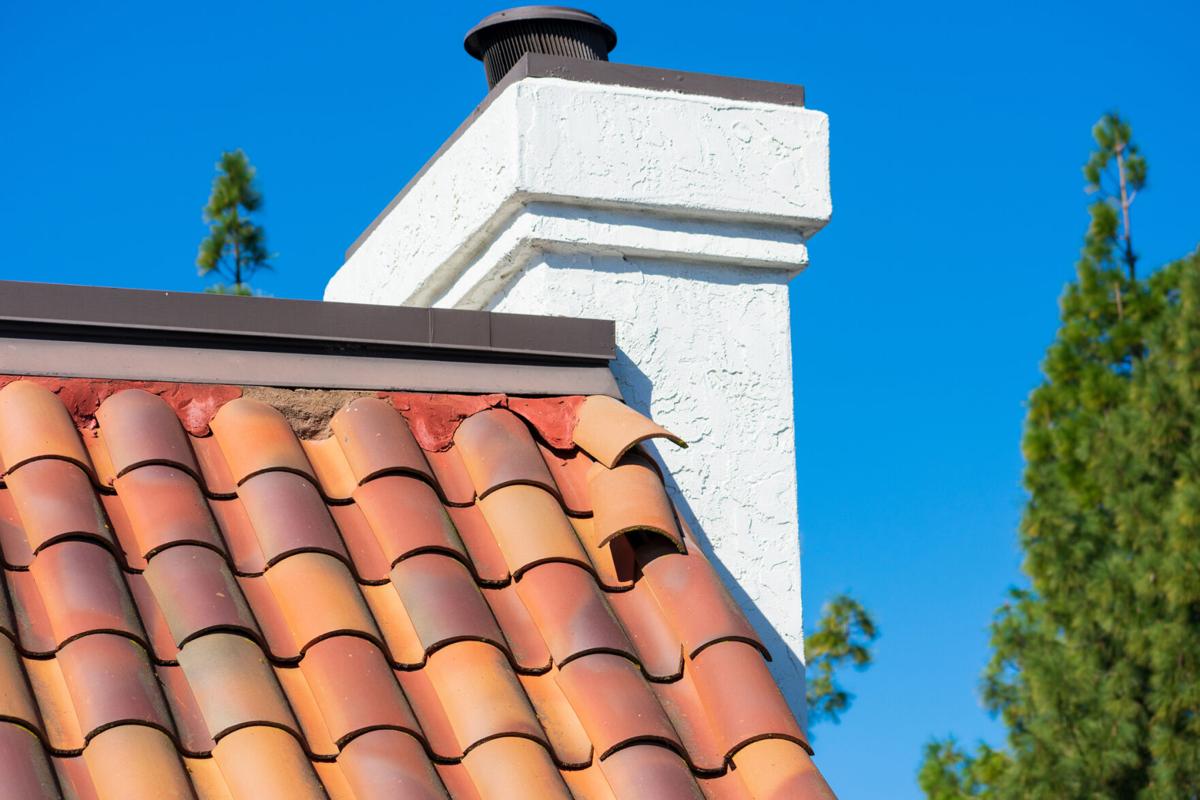
Question: I am considering building a house. What are the most common roofs and what are their differences?
Answer: The most common roofing systems in Arizona are concrete tile, shingle and flat.
Concrete tile
If installed properly and with regular maintenance, concrete tile can last more than 30 years. Tiles come in many colors, styles, manufacturers and profiles. They are cost-effective and versatile in architecture with their variety and many ways to install.
Tile roofs are not waterproof. They are water shedding. This system relies on the pitch or steepness of the roof to keep water out of your house. This is important as the drainage on a tile roof is critical. The underlayment is the main component that keeps you dry. It is also called the felt or tar paper. It is an integral part of the roof. If it were to fail, it will lead to substantial damage. Most roof leaks involve repairing the underlayment.
Broken tiles: Can accelerate the aging of the underlayment. They are a simple fix.
Clogged drainage: Can cause water to back up and leak into your house. This is the most common cause of leaks on a tile roof. Clean out the clogs and keep your roof up to snuff.
Improper flashing: Usually a direct result of the original installation. Rather than flashing around pipes, concrete or mortar is used. This will cause the roof to eventually fail.
Improper tile spacing: Excessive water can seep into the underlayment. It can destroy a roof 30% to 50% faster than intended.
Shingles
Shingles are typically composed of a fiberglass mat that is saturated with asphalt. Granules are added for color and sun protection and installed with underlayment. Shingles do not require the same maintenance as a tile roof, but they should be checked and maintained periodically.
Granular loss: As shingles lose their protective granular covers, they will age at a more rapid pace as the sun wears down the asphalt.
Sealant: Some areas on a shingle roof require sealant. Sealant typically has a lifespan of less than the roof and should be refreshed midlife of the system.
Debris: A shingle roof is water-shedding. That means if there is debris accumulated, water can back up and leak. It can also accelerate the aging of the shingles.
Fla
t roofs
These are the most common residential flat roofs.
Foam: Composed of two components that result in a “seamless” look and add insulation value. A foam roof will outlast just about any other system out there. It is not uncommon for foam roofs to last 50 years. However, it does require an extensive amount of maintenance. Below are a few of the issues that you might face with a foam roof.
Coating thickness: Foam is an effective waterproofer, but it has one major enemy — UV degradation. Sunlight will turn it to dust in a matter of days. A base layer of coating should be installed. The thicker the coating, the longer your foam will last before it requires additional coating.
Improper preparation: The existing roof must be analyzed before installing a new coating. It is critical to prepare the roof. At a minimum, it should be power washed. It may require additional layers of primers and/or foam repairs. Once the preparation is complete and the proper coatings applied, that system should last 10 years before major maintenance is required.
Foam thickness: Manufacturers typically recommend no less than two inches of foam to absorb the building’s movements and provide more insulation value. Some will allow their products to be installed with a “minimum” thickness of one inch. Anything less will likely not be supported by the manufacturer.
Improper installation: Many factors can cause long-term issues with a roof, including improper mixture, hose temperature, air pressure on the gun, a drop of water and expiration dates.
Rolled roofs: Like a shingle roof but with a higher asphalt product content, they last between 15 and 25 years — longer with the proper maintenance. Typically composed of a base asphalt with a granular top that protects it from the sun, this type requires less maintenance than foam. At the end of its lifespan, it needs to be removed and replaced.
Granular loss: When the granular protection begins to fail, leaks and rapid deterioration occur. A properly installed roof can be recoated to extend its life.
Failed sealant: Rolled roofs are very dependent on the mastic or sealant that you use on them. These sealants typically do not last as long as the roof itself and can cause leaks if not refreshed periodically.
Improper installation: Nowhere on your house is installation more important than on a flat roof. If it is not installed correctly, even down to the smallest detail, your roof will leak. It may not become evident until months or even years after installation. Frequent inspections will help mitigate possible leaks.
Both flat systems require at least an annual removal of debris. There is not enough slope to allow the rain to push it off.
A roof constantly expands and contracts due to high winds and other factors. Maintain your roof so it will last as intended.

