


One of Tucson’s oldest conservation groups has adopted a new name it hopes will be more inviting to all of its friends, feathered or otherwise.
Starting next year, the Tucson Audubon Society will henceforth be known as the Tucson Bird Alliance.
The 75-year-old nonprofit announced in May that it would be rebranding to distance itself from the Audubon Society’s namesake naturalist and his shameful legacy as a 19th-century enslaver and white supremacist.
The local group joins some 48 other independent chapters from Seattle to New York City that have dropped the Audubon name since 2021. “And the list keeps growing,” said Erica Freese, director of development and communications for the Tucson chapter.
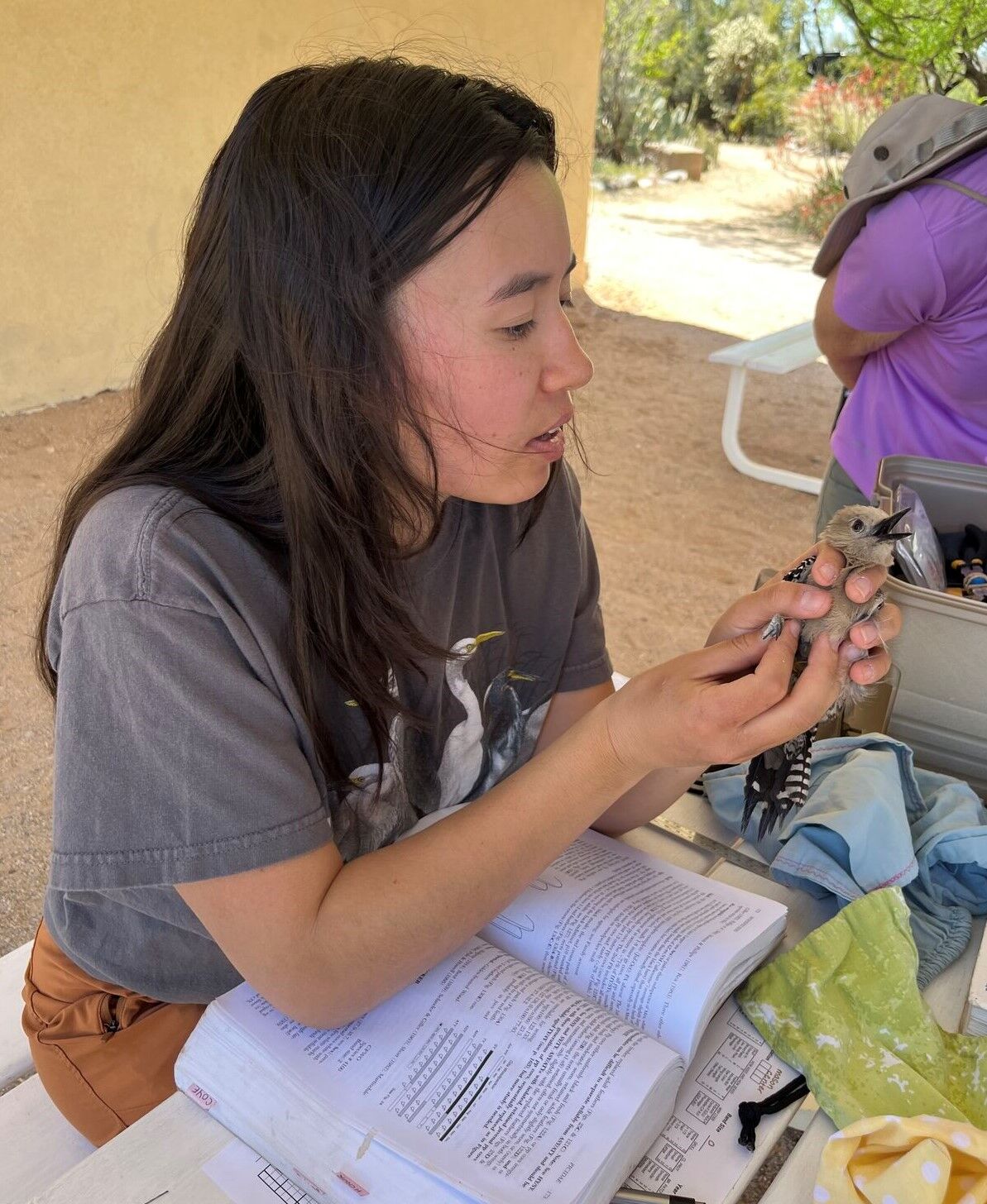
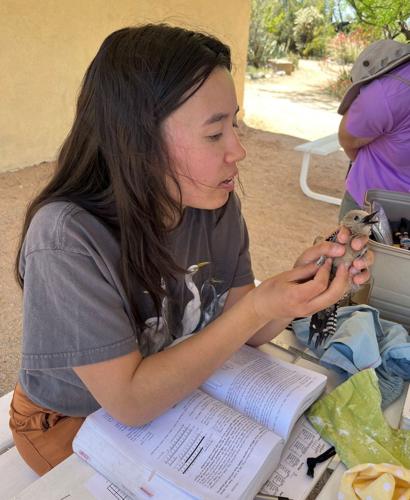
Aya Pickett, restoration project manager for the environmental group formerly known as the Tucson Audubon Society, conducts a banding demonstration on a Gila woodpecker.
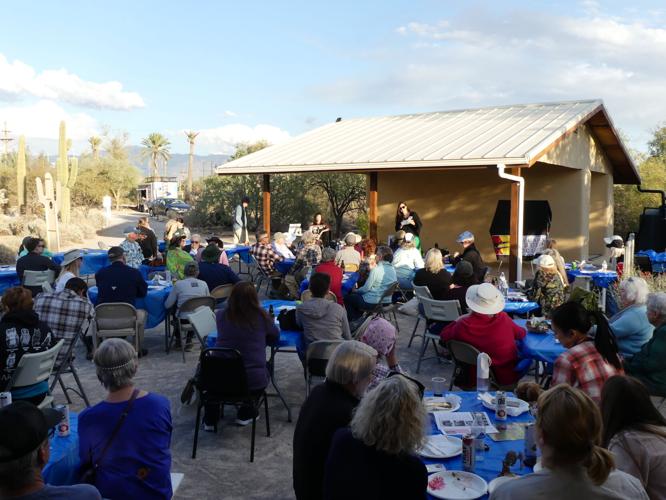
The new name was met with applause on Dec. 5, when it was unveiled during Winter Roost, the annual holiday gathering for members. Stickers featuring the local group’s new logo were handed out to the roughly 100 people in attendance.
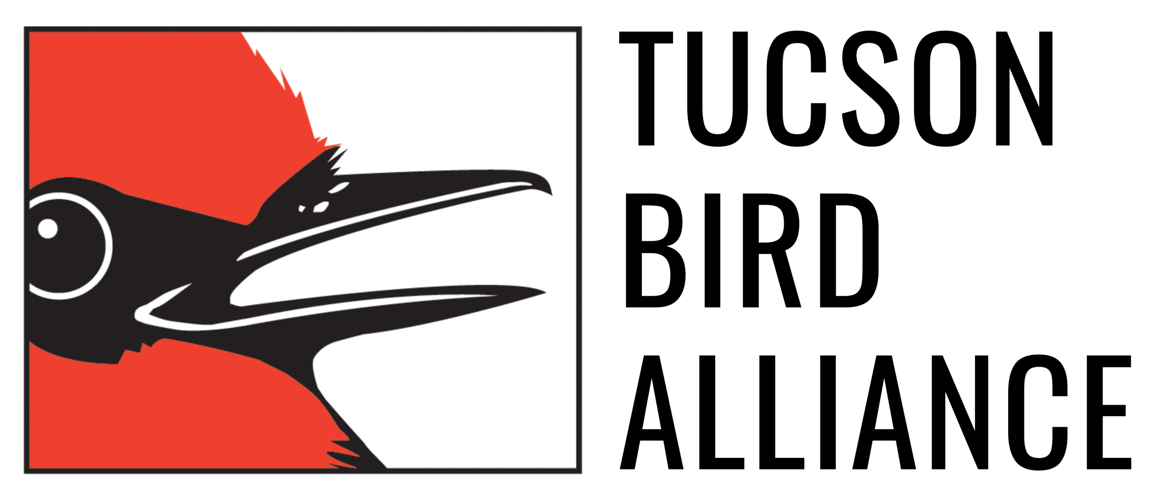
The logo with the new name of the Tucson Audubon Society.
“Overall, (the reaction) has been really positive,” Freese said.
The name was selected by a committee of the nonprofit’s staff and board members, who recognized a growing national trend and jumped on it. Of the 41 Audubon chapters that have announced new names so far, 31 chose some version of “bird alliance.”
Freese said the Audubon Society is well known in the conservation community, but it isn’t exactly a household name to the general public. She said she is often met with blank stares when she tells people where she works. “‘We do bird conservation,’ I tell them.”
She’s looking forward to skipping that explanation in the future. “The idea of having ‘birds’ in our name is so exciting,” Freese said.
She also prefers the word alliance, which sounds more welcoming to her than some exclusive “society” that might not be open to everyone.
Comes amid broader push
Freese said the change will roll out slowly starting in January, when the new name officially replaces the old one on all of the group’s legal documents.
She said they hope to have their website switched over and new banners and brochures printed up by March, just in time for the Tubac Hawk Watch celebration and the start of the group’s annual Birdathon. “It’s like a walkathon, but you count birds instead of steps,” Freese said.
After that comes the drawn-out work of gradually editing or replacing all the signs, plaques and promotional materials around Southern Arizona that still carry the Audubon name.
For example, the group will need to relabel its nest boxes for Lucy’s warblers at the Reid Park Zoo. And Freese said there’s probably lots of other stuff they haven’t identified yet that will have to be changed.
Maybe they can send their members out on a scavenger hunt to find all the old Tucson Audubon logos scattered across the region, she said, only half joking.

Tucson Bird Alliance executive director Melissa Fratello discusses the local nonprofit’s new name and plans for the future during the annual Winter Roost holiday gathering for its members at the Mason Center in Tucson.
One thing that won’t change is the bird featured in the chapter’s logo: a male vermilion flycatcher in “eyeball-searing red.” That’s how the group’s website describes its “fire-headed” mascot, which can be found with relative ease in many of Tucson’s urban parks.
The recent spate of rebranding comes amid a broader push to increase diversity in the environmental movement and reckon with the racist history of some of its founding figures.
The American Ornithological Society — keepers of the official list of English names for the continent’s birds — is in the midst of a pilot program aimed at stamping out what it called “historic bias” by relabeling species named after people.
That effort could eventually lead to new common names for numerous local birds, including the Gambel’s quail, Gould’s turkey, Inca dove, Lucy’s warbler, Scott’s oriole and a host of hawks and hummingbirds.
Avian alliance
Though John James Audubon is widely celebrated for the hundreds of colorful wildlife illustrations he painted in the 1820s and 1830s for his multi-volume book “Birds of America,” he was also a slave owner and an outspoken opponent of abolition, who was known to steal the work of other writers and collect human skulls from the graves of Indigenous people.
He was long dead when the first societies were formed in his name in the late 1800s by early bird advocates apparently willing to overlook his ugly past.
The National Audubon Society came along in 1905 and has since grown into one of the nation’s oldest and most influential wildlife advocacy groups, with some 400 affiliates across the U.S.
More than 10% of those local chapters are now dropping the Audubon name, while the national group has opted not to rebrand.
Freese said the Tucson Bird Alliance will still be affiliated with the National Audubon Society; it just won’t share the name anymore.
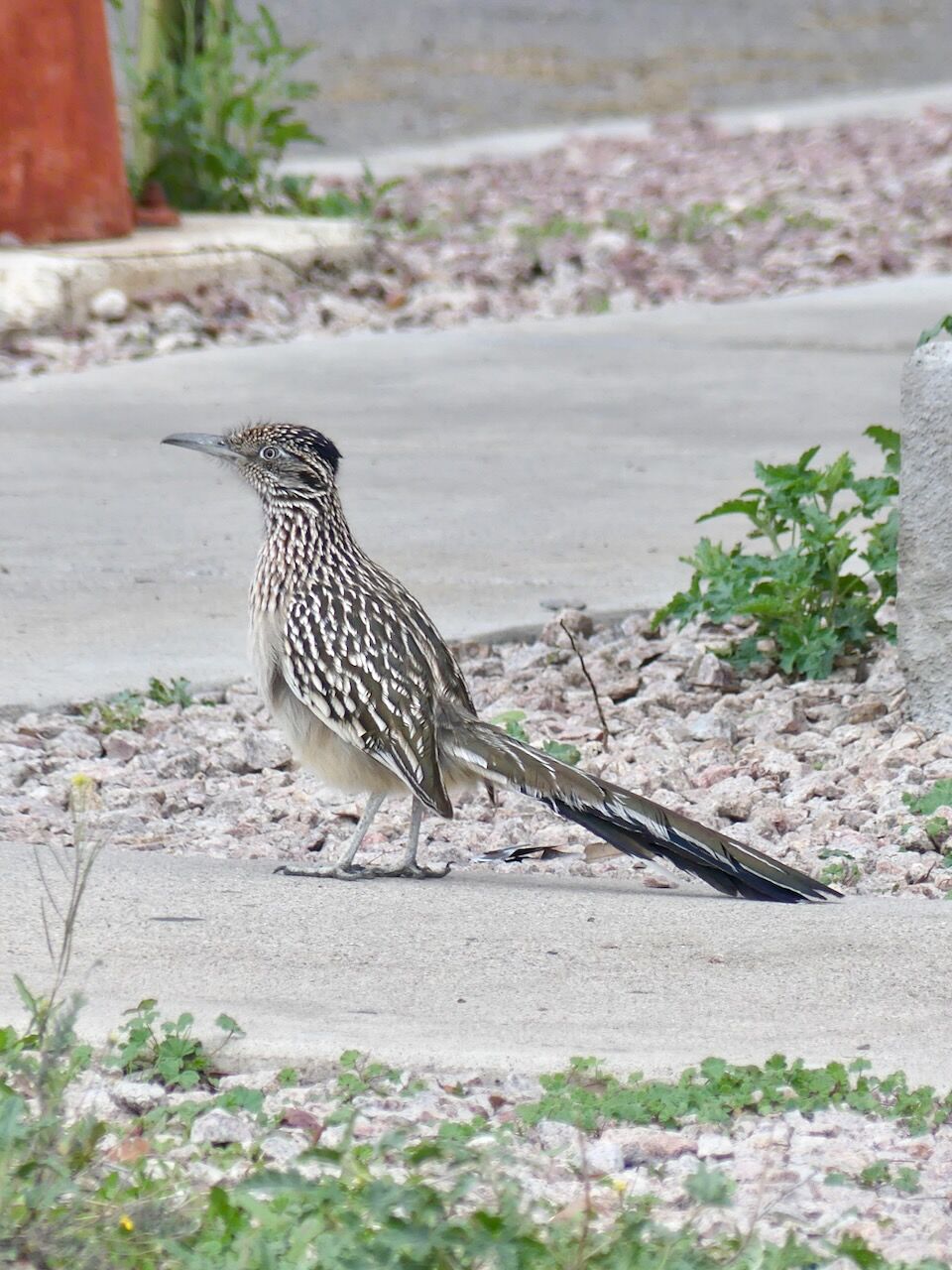
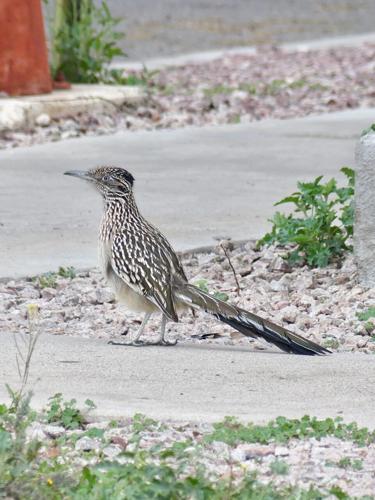
A resident roadrunner hangs out in front of the Historic Y headquarters of the environmental group formerly know as the Tucson Audubon Society.
With 50 full-time staff members, Tucson’s ranks as one of the largest Audubon chapters in the country, she said. It has around 3,500 paying members, and more than 11,000 people who follow its social media accounts and receive its weekly email blasts.
In addition to its headquarters and gift shop in the Historic Y at Fifth Avenue and University Boulevard, it operates the Mason Center at Hardy and Thornydale roads in northwest Tucson and the Paton Center for Hummingbirds in Patagonia.
No matter what the group calls itself, its mission remains the same: to promote birding, bird conservation and the restoration and protection of bird habitat across southeastern Arizona.
As Freese put it, “The birds don’t know that we’ve changed our name, so we’ll still keep showing up for them.”

