

More than 420 bills attacking longstanding public health protections — vaccines, milk safety and fluoride — have been introduced in statehouses across the U.S. this year as part of an organized, politically savvy campaign.

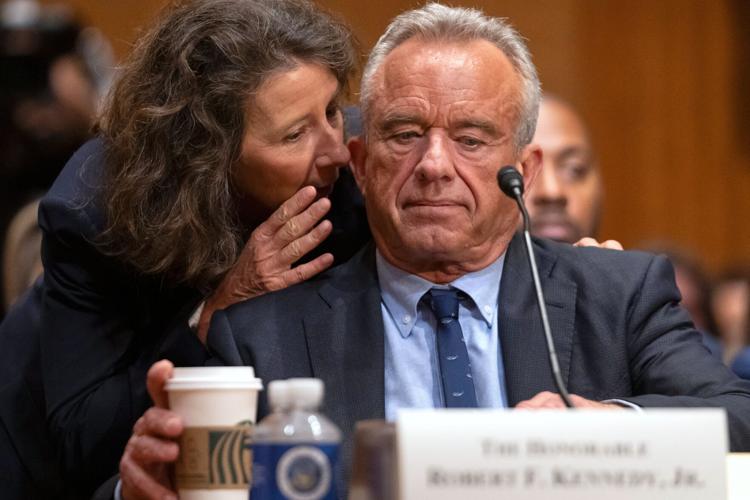
Secretary of Health and Human Services Robert F. Kennedy Jr. listens to deputy chief of staff Stefanie Spear during a congressional hearing Sept. 4 on Capitol Hill in Washington.
An Associated Press investigation found that the wave of legislation has cropped up in most states, pushed by people with close ties to Health and Human Services Secretary Robert F. Kennedy Jr. The effort would strip away protections that have been built over a century and are integral to American lives and society. About 30 bills have been enacted or adopted in 12 states.
Trump administration officials are directing activists to push this legislation in the states — where public health authority rests — with the ultimate goal of changing laws and minds nationally.
A spokesman for Kennedy and the Department of Health and Human Services would not comment to the AP for this story.

The effort normalizes ideas fueled by the anti-vaccine movement that Kennedy has helped lead for years. His Make America Healthy Again agenda masks unproven ideas while promoting goals such as making food more natural or reducing chemicals. Meanwhile, vaccination rates continue to fall, allowing the infectious diseases measles and whooping cough to make comebacks as Kennedy has sought to broadly remake federal policies on public health matters including fluoride and vaccines.
Kennedy's allies dispute that their agenda is anti-science or driven by conspiracy theories, but many experts disagree.
"The march of conspiracy thinking from the margins to the mainstream now guiding public policy should be a wake-up call for all Americans," said Devin Burghart, president and executive director of the Institute for Research and Education on Human Rights, who has tracked the anti-vaccine movement for decades. "People are literally going to die from it as a result."

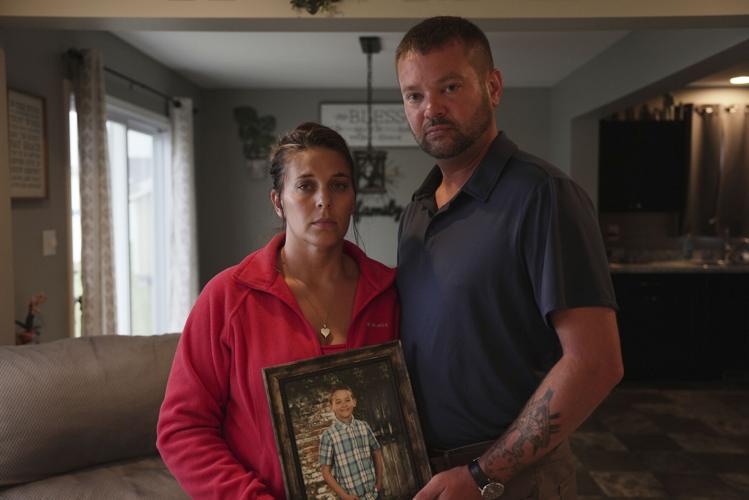
Ashlee and Erik Dahlberg hold a photo of their late son, Liam, in their home Aug. 12 in Lowell, Ind. Liam died from a vaccine-preventable disease in April.
Ashlee and Erik Dahlberg of Lowell, Indiana, lost their 8-year-old son, Liam, to a vaccine-preventable disease in April.
"I thought having the vaccines would protect our children," Erik Dahlberg said. "Unfortunately, it did not because other kids, other adults, need to be vaccinated as well in order for it to work."
Liam was particularly vulnerable because he had severe asthma and allergies. He was vaccinated against Haemophilus influenzae type b, or Hib, but it caused his brain to swell and killed him less than two days after he complained of a headache. Hib is transmitted by respiratory droplets, often spread by coughs and sneezes. Doctors said Liam's case likely stemmed from someone unvaccinated, Ashlee Dahlberg said.
With two other children, the Dahlbergs worry about living in one of the many U.S. communities with low immunization rates. State statistics show one in five kindergartners in their county don't meet vaccination requirements.
"There's no pain that is worse than the pain of losing a child," Ashlee Dahlberg said. "I do not — and can't — live through the loss of another."
Hundreds of anti-vaccine bills

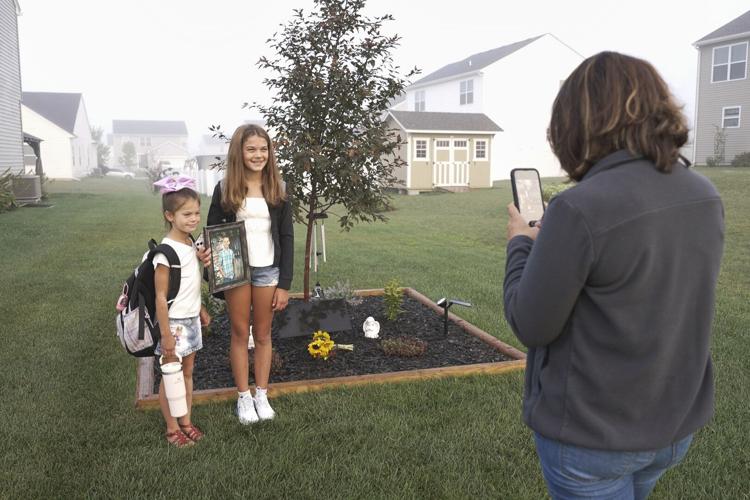
Ashlee Dahlberg takes photos of her daughters Ava, left, and Khloe, on the first day of school in front a memorial for their brother, Liam, in their yard Aug. 13 in Lowell, Ind.
The Dahlbergs and others are fighting a strong movement that stresses "health freedom" but disputes proven health measures. Experts say global vaccine efforts have saved more than 150 million lives since 1974, cavities have declined dramatically since community water fluoridation began in 1945, and milk pasteurization has saved millions from foodborne illness.
Despite those successes, activists spread false theories, some dating back decades, that safe vaccines injure or kill large numbers of people, that fluoride is used to poison the population, or that pasteurization makes milk less nutritious and primarily benefits the dairy industry.
In its analysis of legislation, AP focused on these three public health policies, which have clear medical evidence behind them and are targets of the Make America Healthy Again movement. AP searched 2025 legislation in all 50 states, analyzing more than 1,000 bills collected by the National Conference of State Legislatures and the bill-tracking software Plural for whether they undermined science-based protections for human health.
Anti-vaccine bills — 350 of them — were by far the most common. They come at the issue from various angles: barring discrimination against unvaccinated people, creating the criminal offense of vaccine harm, requiring blood banks to test for evidence of vaccinations and instituting a 48-hour vaccine waiting period. Bills in numerous places target mRNA vaccines, which were credited with saving millions of lives during the COVID-19 pandemic.

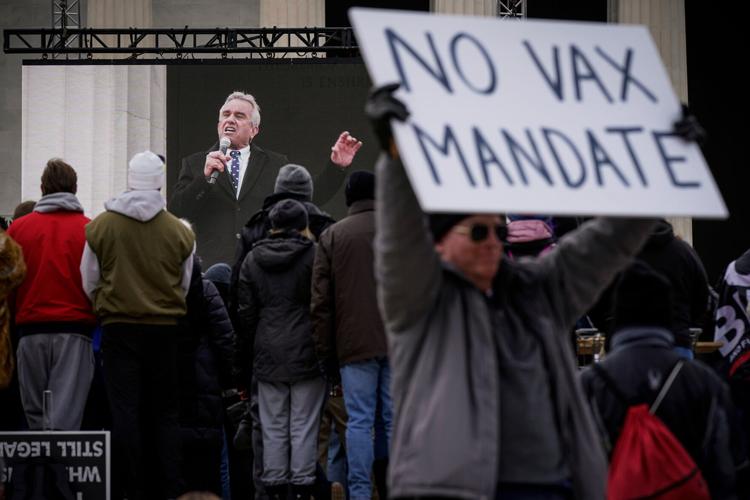
Robert F. Kennedy Jr. is broadcast on a large screen as he speaks during an anti-vaccine rally Jan. 23, 2022, in front of the Lincoln Memorial in Washington.
Since vaccines became more politicized during the pandemic, more extreme vaccine bills have passed, said Dorit Reiss, a vaccine law expert at UC Law San Francisco. "At times of uncertainty and trouble, conspiracy theories have more of a wedge," Reiss said.
Most bills haven’t passed; some died, and others are pending. But at least 26 anti-vaccine measures — including one proposed constitutional amendment and one resolution — have passed or been enacted as law in 11 states this year.
Most of those bills were supported by at least one of four national groups connected to Kennedy: MAHA Action, Stand for Health Freedom, the National Vaccine Information Center and the Weston A. Price Foundation.
The groups also opposed dozens of science-driven bills, including one that would protect people by tightening rabies vaccine requirements for pets.
There's a web of connections among the groups and Kennedy. MAHA Action has been run by people close to him, including his longtime book publisher, Tony Lyons, and former campaign staffer Del Bigtree. Stand for Health Freedom was co-founded by Sayer Ji, who now advises the group and volunteers with MAHA Action.
The group Kennedy used to lead, Children's Health Defense, was a sponsor of conferences held by NVIC and Weston Price. Kennedy has been a featured speaker for both groups. When Kennedy purged the federal committee that advises on vaccines, he picked NVIC's research director as a new member.

In an email to AP, NVIC leader Barbara Loe Fisher called the federal response to the COVID-19 pandemic heavy-handed but a wake-up call in state legislatures, where "lawmakers understood the danger to liberty posed by vaccine mandates in a way they had not understood it before."
She said mandatory vaccination is bad public health policy.
The groups AP tracked send out alerts, organize phone campaigns, flood lawmakers' inboxes and social media, hold Zoom calls with activists nationwide, and send members to testify in statehouses.
Lyons said the point of the calls is to educate people. He objected to the use of the terms anti-science and conspiracy theories, saying, "It's just an inflammatory statement meant to get millions of people to think something bad is happening."
The groups' work reflects the small anti-vaccine movement's growing clout, said Northe Saunders, president of American Families for Vaccines.
"They're really a sophisticated political operation as opposed to just a couple of parents that don't want to vaccinate their kids," Saunders said.
In Indiana, Republican Rep. Bruce Borders sponsored two bills at the request of the group Hoosiers for Medical Liberty. One would allow people to opt out of employer vaccine mandates; another would require vaccine manufacturers to conduct certain safety studies.
Borders said he's driven by concern about his grandson, who he believes developed autism after getting vaccinated — though there's no credible scientific evidence that's possible. He said these bills aren't anti-science.
"I've done tons of research on this issue because of my grandson," said Borders, who owns an insurance company and also works as an Elvis impersonator. "I would say that my study on these issues would equal that of many people in the medical field."
Bills on raw milk, fluoride
People are often drawn into these ideas in a roundabout way, Reiss said. They might come to the MAHA movement with legitimate concerns about nutrition, for example, then be exposed to others who believe forces are conspiring to keep people sick.
Their arguments often rely on the idea of staying healthy naturally. Stand for Health Freedom, which did not respond to AP's requests for comment, told its followers, "Water should hydrate not medicate" while pushing an anti-fluoride bill. Weston Price runs a campaign for raw milk, which it calls "real milk," and the group's website contains unproven claims it can help treat various maladies.

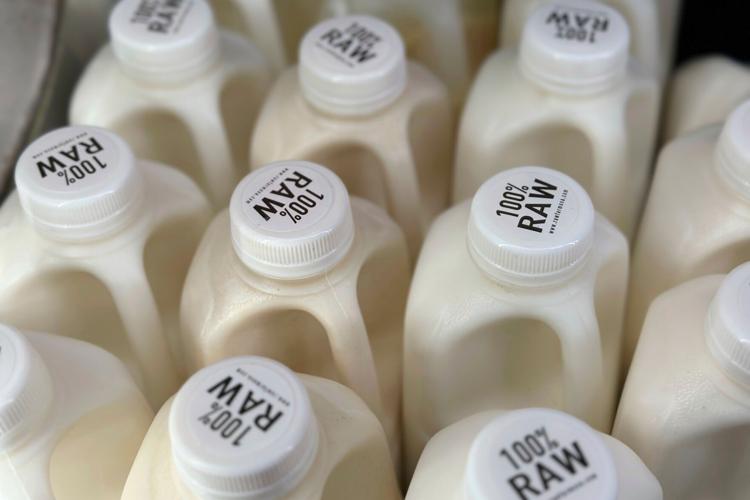
Bottles of raw milk are displayed for sale at a store May 8, 2024, in Temecula, Calif.
AP found more than 70 bills that would roll back access to fluoride or make it easier to sell or consume raw milk products. Many fluoride bills would prohibit its addition to water systems outright.
Sally Fallon Morell, president of Weston Price, told AP the benefits of raw milk are immense and the risks minimal, denying that such beliefs are conspiracies. Though she shared studies touting benefits, experts say drawing direct links is difficult. The U.S. Centers for Disease Control and Prevention says pasteurized milk offers the same nutritional benefits without the risks.
Meanwhile, raw milk continues to spark outbreaks, with one in Florida sickening 21 people in August.
"The positions I advocate for — on issues like fluoride, vaccines, and environmental health — are rooted in credible scientific literature and the public's right to make informed choices," Ji wrote in an email.

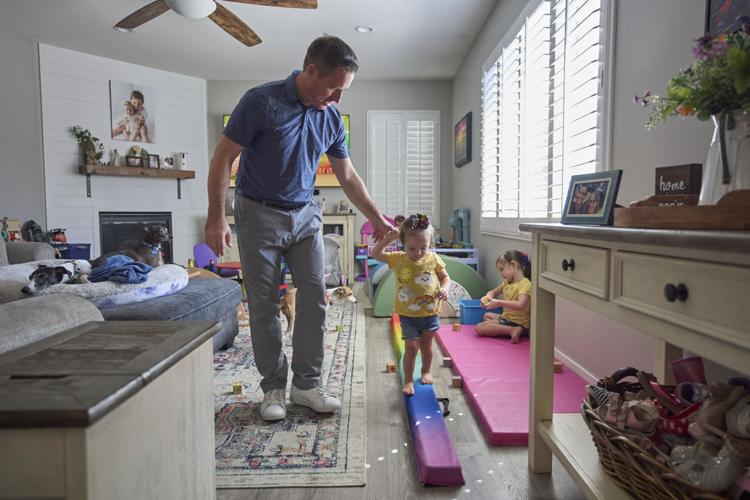
Josh Marris holds the hand of his daughter, Brooklyn Marris, as she walks on a balance board as her sister, Alana, right, plays at their home Sept. 18 in Winchester, Calif.
Meanwhile, Kennedy is elevating these ideas nationally. This spring, a wellness influencer shared video of Kennedy doing shots of raw milk with him at the White House.
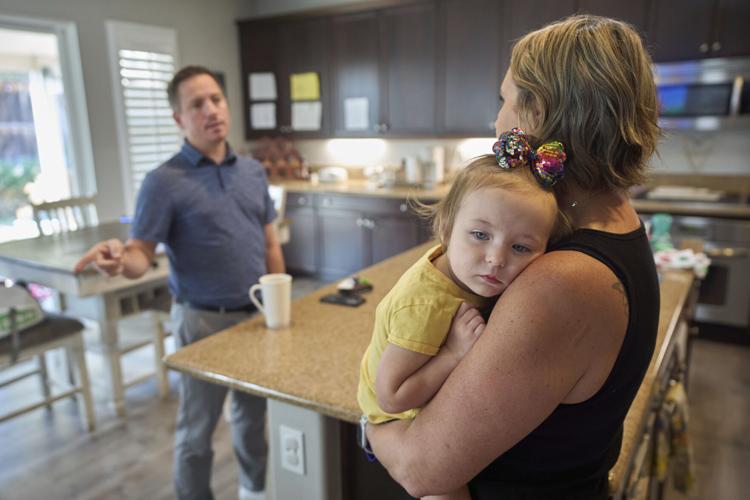
Less than a week later, Emily Marris' toddler, Brooklyn, was hospitalized and nearly died after drinking raw milk.
The Southern California mom did research online, finding a homesteader Facebook group and buying raw goat's milk from a seller who called it "clean and tested." Retail sales are legal in California.

Emily Marris, right, holds her daughter, Brooklyn Marris, as she talks to her husband, Josh Marris, at their home in Winchester, Calif.
Brooklyn ended up on dialysis and a ventilator, suffering three cardiac arrests before finally turning a corner. She now has high blood pressure and walks with a limp. Marris believes it's a dangerous path to make raw milk more available.
"You're going to have the average mom like me that thinks they've done their research, think they're doing something to help their baby and end up hurting their baby," she said.
Lawmakers fighting for science-based policies say what's missing in the discussion is concern for the public good.
In Indiana, Democratic State Rep. Maureen Bauer, of South Bend, said these issues are often falsely framed as parents' rights and individual freedom.
"If your personal decision puts others at risk, it is no longer a personal decision," she said. "You are impacting the freedom of others."


As more parents abstain from vaccinations, children from low-income households may pay the price
As more parents abstain from vaccinations, children from low-income households may pay the price
Updated
For many American children, it's a rite of passage: Visit the pediatrician for a routine checkup, get a quick jab in the thigh or upper arm, and go home with a brightly colored bandage, a lollipop, and lifelong protection against a dangerous and deadly disease. Vaccines, one of the most important public health advances of the 21st century, have nearly eradicated many diseases, saving millions of lives. Yet, in recent years, a dip in immunization rates—coupled with the proliferation of vaccine misinformation—has unleashed new debates about this critical public health measure.
Until recently, immunization rates have trended upward since their invention. Mid-century innovations were pivotal in developing vaccines: A combined vaccination for tetanus, diphtheria, and pertussis (whooping cough) was rolled out in 1948, followed by the polio vaccine in 1955. A vaccine for measles was first approved for public use in 1963. By 1971, it was combined with those for mumps and rubella to create the MMR vaccination.
The evolution of vaccination programs
Immunization advances dramatically lowered child mortality rates, with infant deaths decreasing by 40% worldwide over the past 50 years, according to a 2024 World Health Organization report. That's an estimated 101 million infant lives saved. "Vaccines are among the most powerful inventions in history, making once-feared diseases preventable," WHO Director-General Dr. Tedros Adhanom Ghebreyesus said in a statement.
It took more than just the invention of vaccines to see results, though. Public health campaigns and funding initiatives helped raise awareness about their importance, which increased vaccine accessibility. In 1962, President John F. Kennedy signed the Vaccination Assistance Act, designating government funds to ensure children under 5 received vaccines regardless of their family's income. In 1974, WHO launched the Expanded Programme on Immunization to ensure children across the globe have equal access to vaccinations.
Public health campaigns about vaccines were often created in response to crises. In the late 1980s, a measles outbreak prompted a national public health campaign to bring series 9 vaccines to public attention. Referring to the nine immunizations received by age 2 at the time, the campaign signs featured a cute baby and read, "We can think of 9 good reasons to vaccinate on time, but you need only one."
Addressing vaccine hesitancy and disparities
Despite substantial evidence backing the safety and efficacy of immunizations, protests against them date back to mid-19th-century England, when the British government mandated smallpox vaccinations. Objections varied over time. Some expressed concerns that the government should not have control over their bodies; others said vaccines conflict with their religious beliefs or expressed fears about their safety.
In November 2024, vaccine backlash again entered the public discourse when Robert F. Kennedy Jr. was nominated and later confirmed as Health and Human Services Secretary. Taking a position in direct contrast to that of his late uncle, Kennedy has been vocal in his skepticism of vaccines. He has perpetuated false claims that vaccines are linked to autism—a theory from a 1998 study that was retracted for inaccuracy soon after publication.
In 2019, on a trip to Samoa, Kennedy met with locals who were also against vaccinations. Just months after this visit, an outbreak of measles there killed 83 people, most of whom were infants and children. The Samoa outbreak is not unlike past outbreaks in the U.S., where gaps persist in vaccination rates among children who live below the federal poverty level. Coverage for childhood vaccines was also lower among the uninsured or those covered by Medicaid, according to Centers for Disease Control and Prevention data.
Northwell Health partnered with Stacker to explore how socioeconomic factors influence vaccination rates, using data from the CDC. Keep reading to learn more about the challenges children face in getting vaccinated and how these difficulties could be exacerbated in the coming years.

Systemic barriers limit vaccine access in kids under 24 months old
Updated
Current guidelines recommend that all children receive vaccinations to protect against 15 major illnesses by age 24 months. The CDC tracks most of these through the completion of the combined 7-vaccine series, a grouping of vaccines administered during the first two years of life that covers everything from polio and measles to hepatitis B. Although no states mandate vaccinations, children are required to receive their immunizations to attend public schools and many daycare centers.
Children living below the poverty line receive the 7-vaccine series at a significantly lower rate than those who live above the poverty line, according to CDC data. This disparity has increased in recent years. While approximately 68% of all U.S. children born in 2020 received these critical vaccines by age 2, the completion rate was just over 56% for children who live below the poverty line—a notable decrease from the nearly 61% completion rate of those living below the poverty line who were born just five years earlier.
Vaccine completion rates are also higher among non-Hispanic white children, those with private insurance, and those living in urban areas.
Various factors contribute to these disparities, including income and insurance coverage. Those with lower incomes or who lack health insurance may be unable to afford the cost of office visits, even though the cost of vaccines themselves is covered—particularly at the frequency required within the first few years. Babies usually have 10 well visits in the first 24 months of life to monitor growth and administer vaccines on schedule.
Practical considerations can add more challenges. Those experiencing poverty tend to have less flexible work schedules, and they may lack transportation or live in more rural areas that are further from doctors' offices. Families living below the federal poverty level also tend to move more frequently, making it difficult to keep up with a paper trail of their vaccination history.
Furthermore, medical professionals' lack of cultural or language fluency to reach wider communities, and the health care system's lasting legacy of negative and exploitative practices have led to a deep-seated mistrust of doctors in some communities. The proliferation of incorrect or misleading information about vaccine safety and efficacy may further compound these practical barriers.
Recent drops in vaccinations are, in part, attributed to the COVID-19 pandemic, which halted and delayed routine doctor visits. Some children missed regularly scheduled vaccinations or received them late. Completion rates for the combined 7-vaccine series fell from approximately 70% for all children born between 2018 and 2019 to about 67% for kids born between 2020 and 2021.
Despite the impact of the VCF program, barriers to vaccination remain
Updated
In 1994, Congress created the Vaccines for Children program following a series of measles outbreaks in the late 1980s and early 1990s. The VFC program provides free vaccinations to all children aged 18 and under who are uninsured, underinsured, eligible for Medicaid, or Alaska Native or American Indian. Prior to this, vaccines were covered only by insurance companies—or at a high out-of-pocket cost for those without health insurance. Thanks to the VFC, over half of U.S. children born in 2020 qualified for free vaccinations.
Although the CDC provides funding for over 60 programs that put the VFC program into action across the country, vaccination rates for those eligible remain much lower than the overall population—and this discrepancy grows each year. For those born in 2020, just 3 in 5 (61%) VFC-eligible children completed their 7-vaccine series, compared to 3 in 4 of those ineligible for the program. VFC-eligible kids face difficulties in completing vaccines that require multiple doses, as well as doses scheduled after the first year.
Despite ongoing challenges, the program has proven vital roughly 30 years since its launch. The CDC estimates vaccines have prevented 508 million illnesses between 1994 and 2023—saving not only lives but also out-of-pocket costs for parents and trillions of dollars in future health care costs by stopping the spread of serious diseases.
This could all change in the coming years, though. Concern in the medical community in response to Kennedy's plans for reforming the U.S. health care system. Although Kennedy denies intentions to completely abolish vaccinations, he has a clear history of speaking out against them, even saying there is "no vaccine that's safe and effective."
Concern about vaccine misinformation has ratcheted up since March 2025, when the ongoing measles outbreak began in West Texas and spread to neighboring New Mexico. As of early April 2025, the highly contagious diseases has already climbed to highest number of measles infections seen in a single year since 2019, during a wave of cases. The current outbreak has also claimed the lives of two children.
Kennedy has been vocal about cutting CDC funding, which oversees programs like the VFC. Though Kennedy has said he won't "take away anybody's vaccines," he has advocated for revoking approval for parts of the combined 7-vaccine series, arguing that further studies are needed, as well as increased parental choice.
Although the head of HHS cannot directly implement these plans, the role has the authority to appoint or replace members of the Advisory Committee on Immunization Practices. The head of the HHS role could also influence Kennedy to cut or reduce other initiatives, like the Section 317 program, which provides federal vaccine grants to state and local health departments.
Spike in kindergarteners receiving vaccine exemptions may threaten herd immunity
Updated
Immunization rates have been dropping prior to Kennedy's rise on the political stage, which began during the COVID-19 pandemic and was fueled by the spread of misinformation.
Although U.S. public schools require certain vaccinations before children can attend, each state allows medical exemptions, and most allow exemptions for religious or personal beliefs. While the share of kindergarteners with medical exemptions has remained steady at about 0.2%, the share of children with nonmedical exemptions has shot up.
During the 2023-2024 school year, an average of 4% of kindergarteners' families across the U.S. requested exemptions—more than double the 2011-2012 school year. The highest numbers were seen in Western states like Idaho, Oregon, and Alaska, with a rate well above average at 14.3%. Mississippi, California, New York, and West Virginia had the lowest exemption rates in the nation, with each under 1%.
Experts attribute rising exemptions to the surge of misinformation around vaccine safety and efficacy, particularly during the COVID-19 pandemic. According to a 2024 peer-reviewed study headed by a Columbia University researcher, negative messaging on social media and distrust in institutions have caused vaccine hesitancy at a difficult rate to mitigate. Coupled with political polarization and the spread of misinformation through mass media, the potential impact on the understanding of vaccines is significant.
While an average of 4% may seem like a small portion of the population, childhood vaccines are a public health measure. If enough kids in a particular school or community are vaccinated, the group can benefit from herd immunity, which helps prevent those who are unvaccinated from contracting a disease. However, viruses like measles are so easily transmitted that 95% of a community must be immunized to prevent the spread of disease.
When children with vaccine exemptions cluster—often in more affluent areas, around private schools—this creates favorable conditions for an outbreak. Evidence of the effects of decreased vaccination rates was seen toward the end of 2024, with cases of measles and whooping cough reaching the highest levels in five years.
At least 3 in 4 parents surveyed support school vaccine requirements; however, nearly 2 in 5 (38%) parents seeking exemptions did so based on personal or philosophical beliefs, not medical reasons. A 2024 parent survey conducted by the CDC showed that while about a third of parents believed unvaccinated children should be able to attend school, over half agreed those children should stay home during an outbreak.
Contracting these illnesses can significantly impact not only a child's physical health but also lead to them missing school and falling behind academically or socially. Continued intervention is necessary to ensure the safety of all children, especially higher-risk populations like those experiencing poverty.
With the resurgence of diseases once under control or even eliminated (meaning there was no new spread of disease over a 12-month period), some states have become more stringent about exemptions. New York disallowed religious exemptions following disease outbreaks, and California implemented a policy that requires parents seeking vaccine exemption to first be educated on the risks. While this hasn't produced much change among private school students, those living below the poverty level have shown a greater decrease in exemptions.
It's important to note the distinction between families who don't complete their childhood vaccinations due to systemic barriers and those who abstain by choice. Ultimately, however, they'll face the same consequences. Any unvaccinated child will be more susceptible to the spread of disease and its painful and, in some cases, debilitating consequences.
Yet it's the children below the poverty line—uninsured, underinsured, and often facing obstacles merely to get to the pediatrician for their MMR shot—who will inevitably pay a greater price.
Data reporting by Tory Lysik. Story editing by Alizah Salario. Copy editing by Janina Lawrence. Photo selection by Ania Antecka.
This story originally appeared on Northwell Health and was produced and distributed in partnership with Stacker Studio.

