


People often move to Sahuarita from the big city in search of quiet living and wide open spaces. The same goes for giraffes and rhinos.
Hundreds of exotic animals could one day roam through giant enclosures at a conservation safari park the Phoenix Zoo hopes to build at the eastern edge of the booming town about 20 miles south of Tucson.
The park would be developed on almost 1,100 acres of vacant land, with large natural areas capable of supporting sustainable populations of some of the world’s most at-risk animals.
“We don't quite have a name for it at this point, but we're building a conservation park for imperiled species,” said Norberto “Bert” Castro, president and CEO of the Arizona Center for Nature Conservation, the nonprofit that operates the Phoenix Zoo. “At the same time, we're going to have a really great drive-through wildlife experience for the public.”

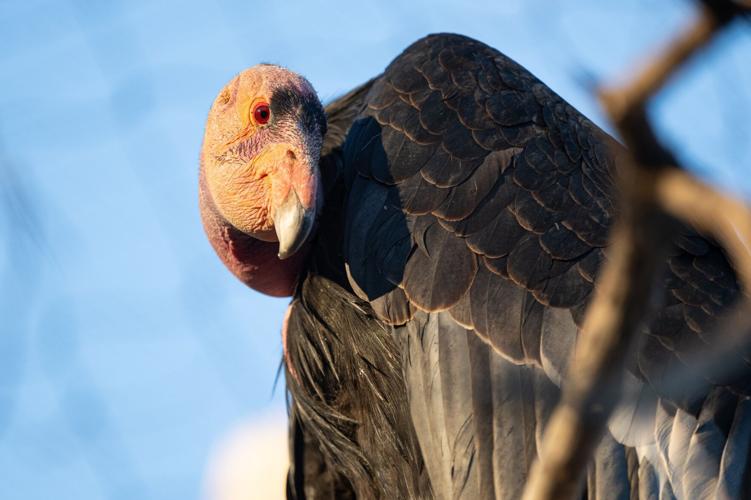
The Phoenix Zoo's proposed conservation park in Sahuarita will focus on critically endangered species like this California condor.
The zoo has entered into a long-term lease with Phoenix-based Freeport-McMoRan to develop the park on several contiguous parcels the American mining giant owns just east of the pecan orchards that bracket Interstate 19 through Sahuarita. The combined acreage is nearly triple the size of the University of Arizona’s main campus in Tucson.
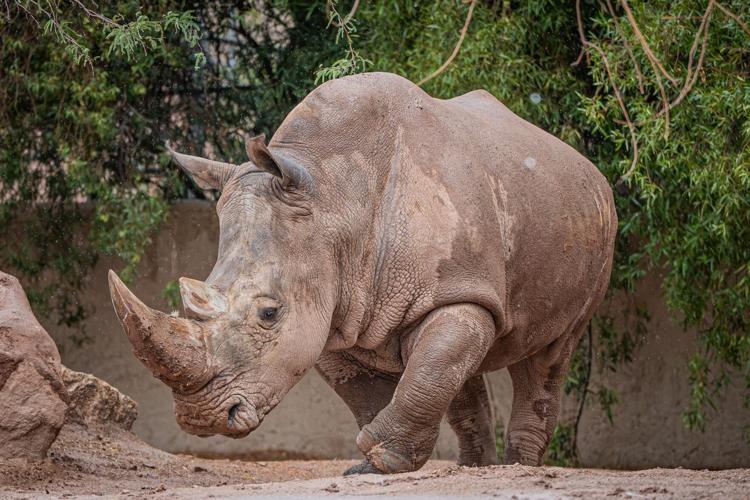
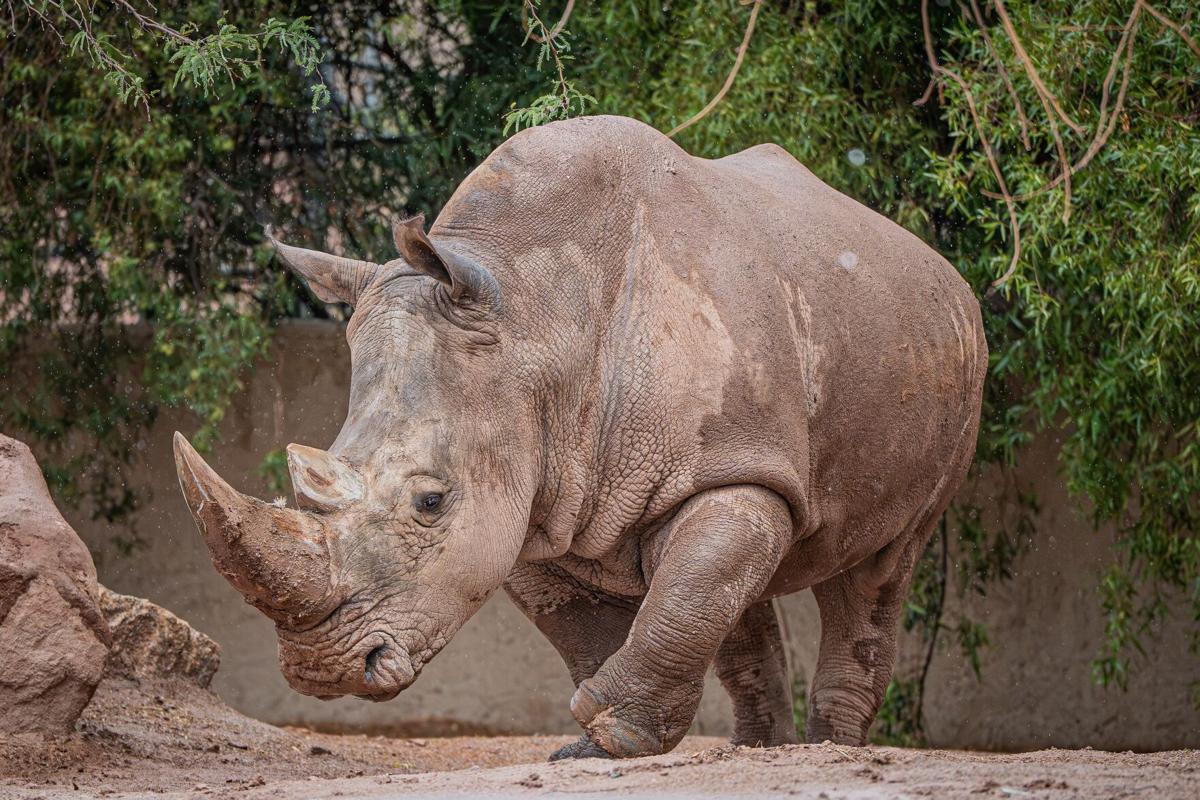
Possible residents of the park include giraffes, white and black rhinos, Addra gazelles and other endangered or vulnerable species adapted to live in hot, arid environments.
“We're considering cheetah,” Castro said. “We're hoping to have Somali wild ass. There are less than a thousand of those.”
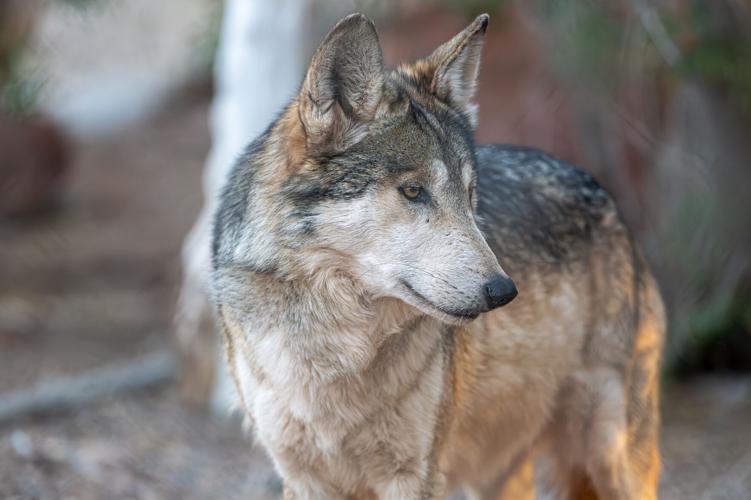
Zoo officials also plan to partner with federal and state wildlife agencies to house and breed some endangered animals native to Arizona, including Mexican gray wolves, California condors, ocelots and masked bobwhite quail. “That's a species that's critically endangered,” Castro said of the quail. “There are less than 200 living now, and Sahuarita is kind of in their area of habitat, so we really want to get involved in that program.”
The park will feature enclosures ranging in size from 10 acres to 100 acres or more, “so there'll be some very large areas for animals to roam,” he said. “We're looking at some very large paddock areas to really do this right.”
Annexing the oryx
Sahuarita Mayor Tom Murphy has taken to calling the project the Sahuarita Safari. “That’s not the official name, but I’m trying to will my way into it,” Murphy said with a laugh.
He thinks the park could provide an economic boost to the town and the region at large, while establishing Sahuarita as a destination for recreation and conservation.
“We’re extremely excited,” said Murphy, who was first elected to the town council in 2013 and has served as mayor since 2016.

The Arizona Center for Nature Conservation, the nonprofit that operates the Phoenix Zoo, has plans to build a conservation park for imperiled species on almost 1,100 acres in Sahuarita.
All but about 160 acres of the proposed site is located in unincorporated Pima County, so the zoo is working with town and county officials to have the entire property annexed into Sahuarita. On Jan. 26, the town council unanimously approved a pre-annexation agreement with the zoo and the listed owner of the land, Freeport-McMoRan subsidiary Cyprus Climax Metals Company.
“We felt in talking with the county and the town that having one local government agency to work with made sense to everybody,” Castro said.
The next step is to put together a conditional use permit, basically a detailed agreement with the town spelling out the future use of the property.
This will mark the Phoenix Zoo’s first expansion beyond its original 125-acre site in Phoenix's Papago Park, where it opened in 1962.
Castro said the first phase of the project will likely cover about 600 acres and cost roughly $20 million. The zoo has secured commitments for about half of that money through its fundraising efforts so far, he said.
The safari park is expected to be populated with a mixture of newly acquired animals and transplants from the Phoenix Zoo.
Castro said some Arabian oryx are expected to make the trip south to Sahuarita, which will allow the zoo to highlight arguably its most famous success story.

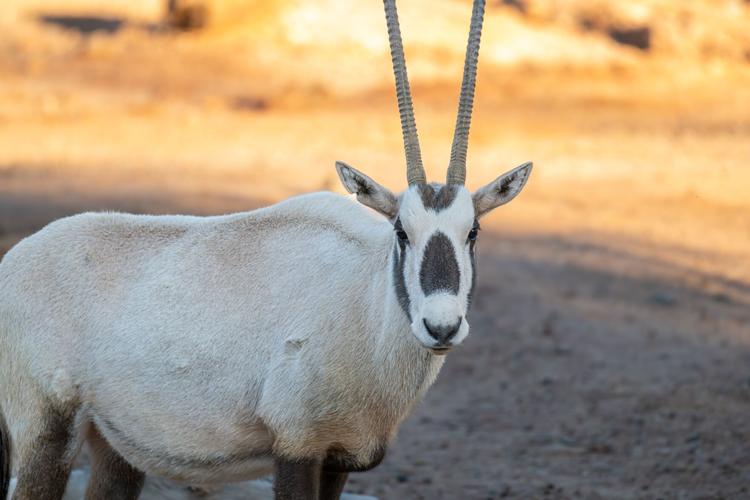
The Phoenix Zoo is home to the "world herd" of Arabian oryx that was used to restore the species starting in 1981, a decade after it was hunted to extinction in the wild. Now some of these animals could one day be housed at the zoo's proposed conservation park in Sahuarita.
The bright white antelope with long, straight horns and a black spot on its nose was hunted to extinction in the wild in the early 1970s, but a captive breeding program that started in 1963 with less than a dozen animals at the Phoenix Zoo brought the oryx back from the brink.
By 1982, that so-called “World Herd” had produced enough offspring to begin reintroducing them to the wild. Today, the species is listed as vulnerable but no longer endangered.
“There are over 10,000 Arabian oryx throughout the Arabian Peninsula and in wildlife parks throughout the world, and they genetically can be all traced back to the Phoenix Zoo,” Castro said. “That was the very first true species survival plan that came out of Phoenix, Arizona.”
New kind of zoo
Conservation parks are all the rage in the zookeeping world these days. Many of the country’s top zoos are developing satellite facilities like this, with enclosures roomy enough to keep whole herds of threatened animals and breed more of them to bolster wild populations.
“I believe it's the future of conservation,” Castro said. “Having larger space allows us to have more of these animals, which allows us to have more sustainable populations in case of any catastrophic event that might happen in the wild.”
Perhaps the best-known example is the San Diego Zoo Safari Park, formerly known as the Wild Animal Park, which has operated in Southern California for more than 50 years.

The Phoenix Zoo's conservation park in Sahuarita could also house some endangered species that are native to Southern Arizona, including Mexican gray wolves and ocelots.
Omaha’s Henry Dorley Zoo in Nebraska, the Audubon Zoo in New Orleans and the Columbus Zoo in Ohio have also opened conservation parks, and the St. Louis Zoo is in the midst of building one now.
The main sponsor of the Audubon Zoo’s Species Survival Center is Freeport-McMoRan, which also has its name on the facility.
“The company supports initiatives that advance the stewardship and conservation of animals and their habitats as part of its broader commitment to responsible environmental stewardship and biodiversity conservation,” said Freeport-McMoRan vice president of communications Linda Hayes in a written statement. “We value partnerships that help inspire people and communities to engage with and protect the natural world.”
Castro said the multinational mining company has long been a major supporter of the Phoenix Zoo and its conservation and educational programs, with several Freeport-McMoRan executives serving on the zoo’s board over the years.
The land in Sahuarita was one of six sites in Arizona and New Mexico that the mining company offered up for the safari park, he said. Zoo officials have been leasing the property since 2018.
“There's a lot of pieces to this puzzle, and getting all those things in the right spots is taking a little bit longer than we had anticipated,” Castro explained. “We’re taking all the right steps to ensure that it's going to be a successful project, not only for the zoo, but for the community and for the animals that we take care of and that we're entrusted with.”
One nagging issue is access. At the moment, there are no paved routes connecting with the park site, which extends north from Sahuarita’s Walden Grove High School, east of Nogales Highway between Sahuarita Road and Pima Mine Road.

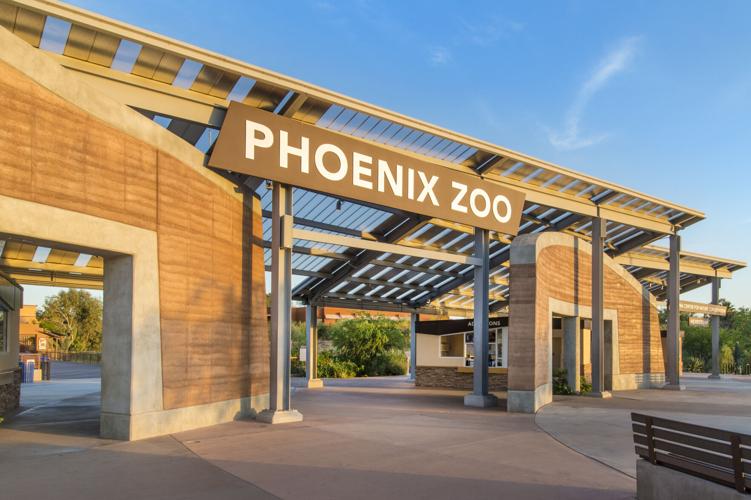
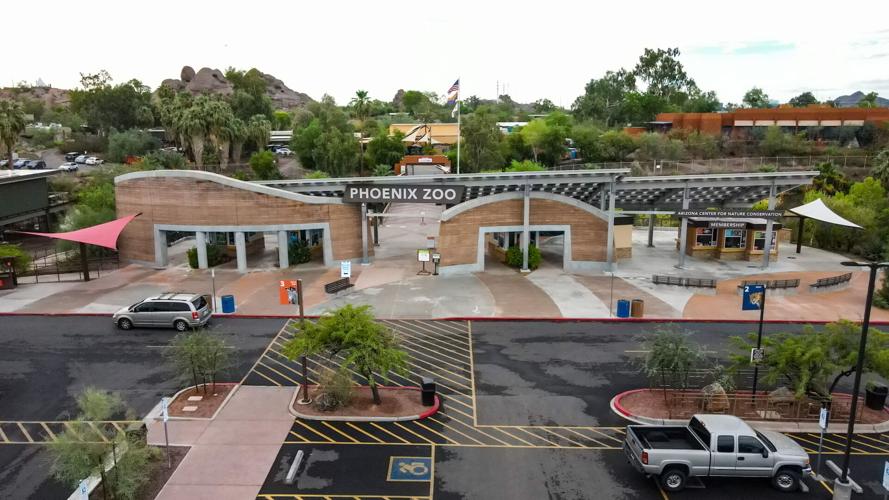
The entrance of the Phoenix Zoo, photographed in 2022.
Castro said zoo officials are working with the town to get a road cut into the former agricultural property.
“That's kind of put us a little bit behind schedule, but we're hoping within the next two or three years to have our public opening,” he said.
Whenever that day comes, Castro believes the safari park will have been worth the wait for people and animals alike.
“It's going to be a little bit different than what's down in that part of Arizona, but we feel it's going to be really good for conservation and for the economy in Southern Arizona,” he said. “And it should be a fun place to go to.”

