


Q: Do you recommend any of the new technologies for home building?
A: There are many new and exciting products in the home building industry. We have watched two homes being built using new systems. One was a 3D-printed home, and the other was a pre-cut steel home. Both turned out great. Getting permits for new technology was a challenge. Here are their stories.
A homeowner’s story
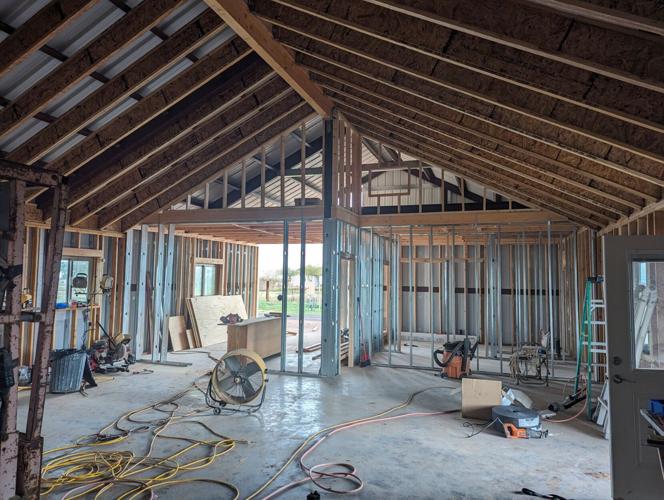
Ty and his wife, Wendy, were looking for a lower-cost alternative to a conventional stick-built home. Manufactured homes were a consideration. However, they did not meet the requirements for their family. Ty researched and discovered a steel home kit that fit their needs. The company producing the steel home had all the pieces precut and ready to be assembled on-site. Plans for assembly were supplied, and Ty was going to do the work with the aid of friends and relatives. They were off to a good start.
Permitting
Ty brought the plans to his local building department to obtain the required building permit. The plans provided by the manufacturer needed more information for the department to issue a building permit. The department rejected the plans, requesting greater details. They suggested that Ty engage the services of a structural engineer to provide the necessary calculations and details requested.
Steel home kits are not mainstream. They are also not directly addressed in the International Residential Code that governs most of our building jurisdictions. Building jurisdictions rely on the expertise of engineers to ensure that a structure is safe. That is their responsibility, after all.
Once the building department’s requirements were met, a permit was issued, and assembly began.
Changes made the process even longer
Early in the assembly process, Ty and Wendy decided they wanted a vaulted ceiling throughout the living area. The building inspector said they would need further engineering before approving the changes. OK, they went back to the drawing board. The first engineer could not help them, so Ty sought a second engineer to provide the county with the necessary details. That was a long process.
It turned out that the steel home was not the simple alternative they had hoped for. The house was finished, but only after several starts and stops. Overall, the process took a year and a half — 18 months — to complete.

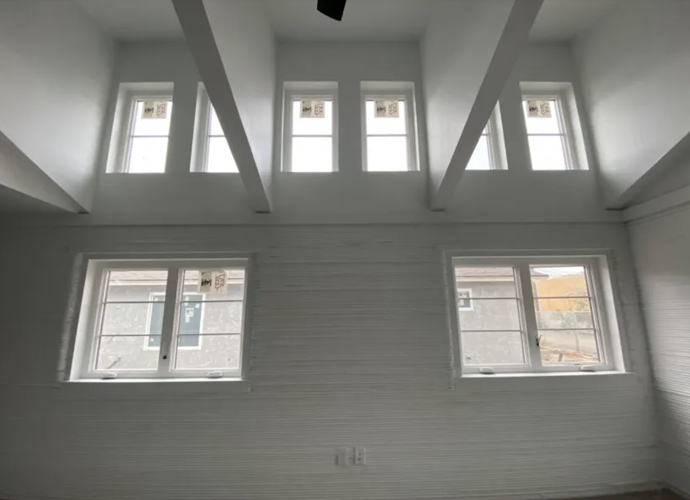
The walls are much different in a 3D- printed home.
An architect’s story
Central Arizona Habitat for Humanity reached out to architect and Habitat board member Mark Candelaria to assist them with getting a 3D-printed house completed in Tempe. This promising technology is far from mainstream. As an architect, Mark is very familiar with residential codes and building department requirements and his approach differed from Ty’s.
Permitting
Mark tells us that he anticipated the challenges of permitting the 3D house. He assembled a team of representatives from Habitat for Humanity, a structural engineer and a German firm supplying the equipment for the 3D printer. They met with building department officials weekly to discuss the department’s requirements. Working with all parties in what Mark describes as a collaborative team effort still took about a year. When this project was being built, COVID-19 was also in full swing. The team meetings were held via Zoom. Anyone who has participated in Zoom meetings knows that they work well but do not replace the synergy that occurs with in-person meetings.
The team
There was incredible effort applied in developing new design and structural details. The education process of how to construct the 3D home and the inspection process of the building were ongoing components of the build.
Q: Is using new building materials worth the permitting hassle?
A: Yes, if you are willing to vet the product. When introducing a new construction technology, be prepared for challenges. You will need to understand how the tech works and be ready to demonstrate its soundness to industry players. These players include clients, architects, engineers, workers, suppliers, associated trades and building officials (including plan checkers and field inspectors).
It is very important to investigate the pros and cons of any product you plan to use. Do your homework and know that the newer it is, the longer it will likely take to complete the permitting process.

Building a steel built home took 18 months due to delays in permitting.
Mark believes that 3D-printed housing is a viable option for future housing needs.
Ty likes the house they built but learned that it would have been easier had he not chosen a steel kit made in Texas. The more familiar the materials are to the building department, the easier it will be to permit.

