


The appliances in our homes serve a critical role in supporting our lifestyle. When they don’t work, that is a problem. Let’s walk through what options we have when appliances don’t work.
Repair or replace?
There are several reasons why folks replace appliances.
— Aging unit: Homeowners begin to worry that their unit will fail due to age. They want to replace it before it wears out or breaks down.
— A desire to update: There are new functions and technologies that people want in an appliance, such as a convection oven, or a smart appliance that can be monitored from a smartphone.
— Energy savings: Energy Star Appliances can help reduce a home’s energy consumption.
— Aesthetics: Appliances are sometimes replaced with updated versions that match a new remodel or paint job to complement their décor.
— They simply never liked them.
Whatever reason one might have, it is always worth the time to consider repairing the appliance. Some older models, even 15–20 years old, might be able to be rebuilt, and they can last another 15-plus years.
Evaluate the appliance
There are a variety of ways to evaluate the issue with a broken appliance. The goal of an evaluation is to determine what is needed: a trade-in, a new appliance, a used and rebuilt appliance, or a repair.
To have your appliance diagnosed:
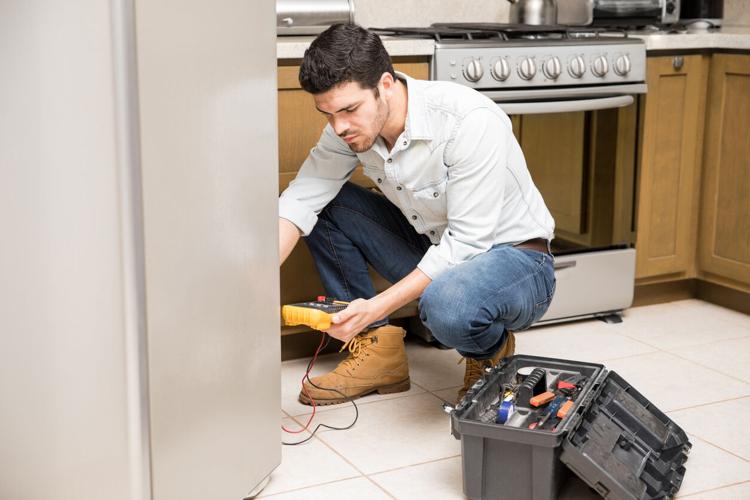
— In-home diagnostics: A technician visits your home and examines the appliance firsthand. While there is typically a trip charge associated with a visit, that charge is often credited back if a repair, trade in or rebuilt appliance happens.
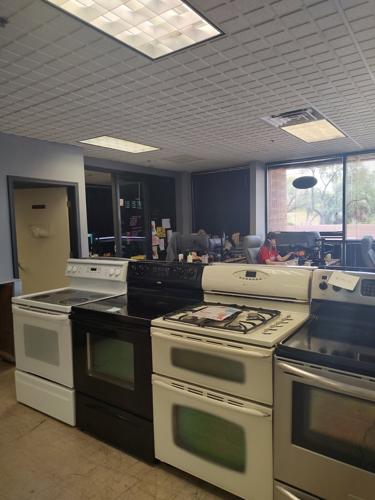
— Bring your appliance into the shop: This option might save a trip charge for smaller appliances.
— Smartphone video chat: You can talk with a technician and describe the problem with your phone, and live video to help evaluate the problem.
A good technician will guide you to the most cost-effective solution.
What to do with older appliances
Once you have made the decision to replace an appliance with either a new or refurbished appliance, here are some options to consider.
— Trade it in: In a lot of cases, the old appliance can be repaired and even refurbished for looks. It potentially has value, so don’t skip that option.
— Recycle: If you are buying a new appliance, consider recycling the unit for parts or a rebuild. This keeps the appliance out of the landfill, which we all know is a good thing.
Extending the life of your appliances
Regular maintenance will keep your appliances running efficiently longer.
— Dryer: The lint filter should be cleaned after every load. Vents and ducts should be cleaned about every 6 months.
— Washing machine: About every 30 cycles, you should use a cleaning fluid or tablets. If you have a front-loading washer, the seal at the door should be cleaned monthly.
— Dishwasher: About every six months or so, you should run a cleaning cycle. There are commercial detergents you can use, or you might use a cup of white vinegar placed in a cup on the bottom rack and run a cycle without detergents.
— Microwave: On a monthly basis, depending on usage, make sure the vents are clean. Pay particular attention to the vents of the microwave if they are above a stove top. Be sure grease buildup is cleaned off with a mild detergent. Heat a cup of water in the microwave first to make the task easier.
— Ranges: Clean the surface with a grease-cutting dish soap for best results and as often as is needed to prevent buildup. Also, make sure the burners are dust and grease-free on a gas stove.
— Refrigerator: Door seals should be cleaned to ensure there is a good seal and no air leakage. The coils on the back of the refrigerator should be vacuumed every six months or so to keep dust buildup to a minimum. If your refrigerator has a water dispenser or ice maker, you will want to check the water filters when you clean the coils. A cracked filter will cause a lot of water damage to your home even after a few hours.
A previous Rosie on the House article dives deeper into appliance care.
Taking good care of your appliances
What about current energy standards?
New appliances must adhere to the current energy standards as they are manufactured. These standards are designed to save energy and use safe chemicals such as refrigerants.
Energy Star standards do not apply to existing models manufactured prior to the standards being in place. A refurbished or used appliance is not required to be brought up to current standards.
Do you want a DIY or professional repair?
DIY repairs are a great way to save money. A handy person can make many repairs with basic tools. If DIY is not your bag of tea, a professional repairman is the key to a successful repair. A reputable technician from a reputable appliance company will give an honest assessment of the repair.
The top stories from Sunday's Home+Life section in the Arizona Daily Star.

