


Each year, thousands of Arizona residents email or call Rosie Romero’s radio show with questions about everything from preventing fires in their chimneys to getting rid of tree roots invading their sewer system. His goal is to provide answers that suit the specific lifestyle wherever someone lives in Arizona.
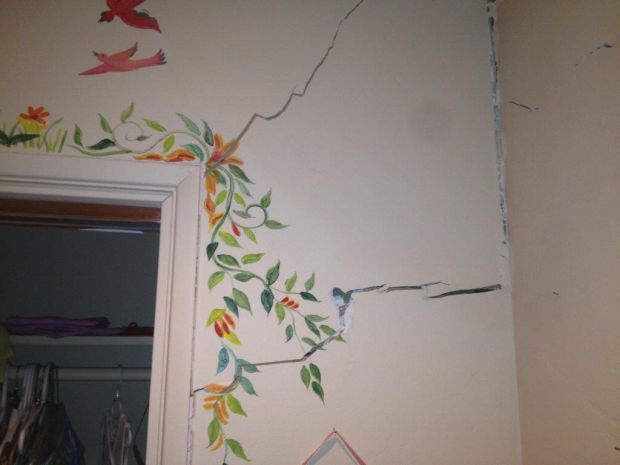
Q: I have a very small crack running down the middle of my kitchen ceiling. The crack is about 12 feet away from an exterior wall and is about the thickness of a pencil lead. My house is only about six to eight years old. But I’m wondering if this crack is the result of problems developing in the foundations of the house.
A: If it’s only one crack, you probably don’t need to worry about it. In houses with foundation problems there are usually groups of cracks. There are usually also other signs of trouble as well, like windows that won’t slide open and cracks on the floor next to kitchen cabinets. But if you’re worried about the crack, you can call a foundations company in to make an inspection of your house.
Q: If a foundation inspector finds a problem with a home’s foundations, and the homeowner doesn’t fix it, will the inspector report it to some government agency so that the next buyer will be forewarned?
A: No, the inspector is not legally required to make such a report, but if the homeowner has that kind of problem they do have to disclose it to the buyer or they will be legally responsible for future repairs. If a buyer is worried about that kind of problem coming up later with a house, they should have a foundation inspection done at the same time that the building inspection is done before closing on a house.
Q: My apple tree has some open wounds. Inside those holes I found some wormy-looking grubs. How do I get rid of them and how do I close the holes made by the grubs? I also have a problem with my nectarine trees. I found a glue-like substance on a lot of the fruit and then the damaged spots developed scabs. What is causing that damage?
A: To get rid of those grubs, you don’t want to apply a systemic poison, because you would not want to eat the apples after you have used it. If I were you, I would take one of those ugly grubs and put it in a plastic sandwich bag and run down to the local nursery for advice on an organic solution. As for the wounds on the tree, you can put some fungicide on them, but don’t try to seal them. It’s better for them to heal on their own.
The nectarines were probably damaged by winged insects called thrips. There are also organic solutions for thrips.
Q: I live in the Tucson area at about 2,100 feet of elevation. So I’m worried about whether my drip irrigation system will freeze underground in the cold weather months. Most of the lines are several inches underground. Is that deep enough?
A: At six inches underground at that elevation in the Tucson area, it’s unlikely your lines could freeze. Up north in Yavapai County, for example, the frost line or maximum depth of ground below which soil doesn’t freeze is six inches when you live below 4,500 feet and 12 inches when you live above 4,500 feet. If it’s terribly cold, it’s more likely you’ll have problems with the valves or valve box for the watering system than you would with the irrigation lines themselves.

