


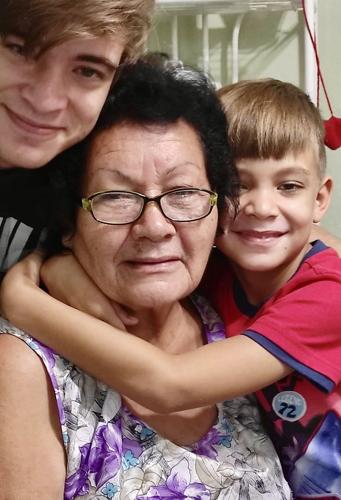

After praying and weeping every day for months, Dayana Cosme Benitez said she’s overwhelmed by gratitude for those who supported her elderly mother while the woman was held in immigration detention for nine months in Eloy, Arizona.
"I am speechless, honestly. I am truly grateful," Dayana said in Spanish Thursday, hours after learning her mom, 79-year-old asylum seeker Julia Benitez, had been released from Eloy Detention Center. "She and I are one person. This separation has been very sad."
Julia, a Cuban asylum seeker who has dementia and uses a wheelchair, was released from Eloy Thursday night, under an order of supervision, pending the outcome of her deportation case. She's required to check in with U.S. Immigration and Customs Enforcement in April.
Her release came 11 days after the Arizona Daily Star’s Feb. 15 investigation into the growing number of elderly and disabled immigrants held in U.S. detention facilities, including Julia.
Dayana, 46, a lawful permanent resident who lives in Miami, said her two sons’ faces were euphoric when they watched a video clip of their grandmother — known among Eloy detainees as "la abuela," the grandmother in Spanish — talking happily in a vehicle just after being released.

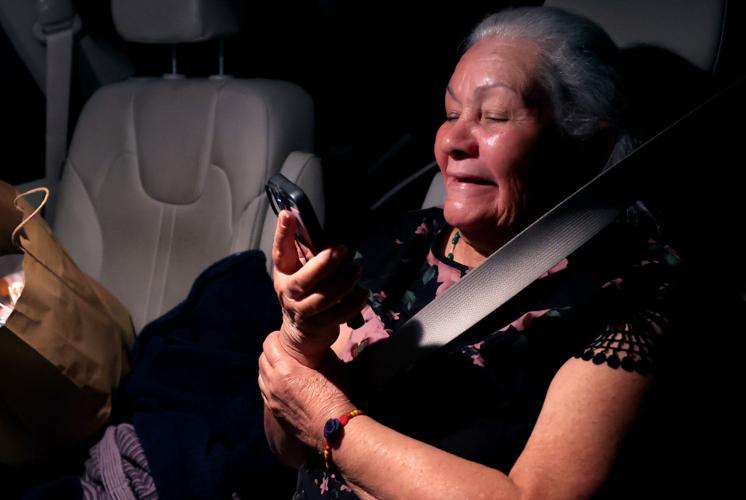
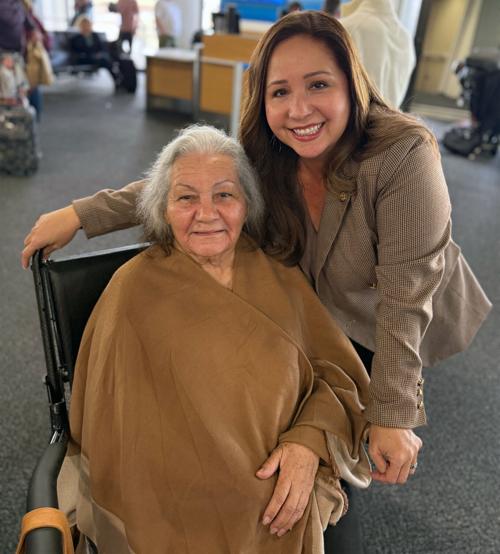
Julia Benitez shortly after being released Thursday night from ICE detention.
"They were crying tears of joy," she said. "You had to see their faces, really, to feel it and realize the bond of love, such a strong emotional bond that exists despite so much time apart. … For me, it was an eternity. I was praying every prayer, every day."
Julia helped raise her grandchildren, now ages 11 and 20, as they grew up living with her in Cuba.
The boys haven’t seen their grandmother since 2022, when they moved to Miami with Dayana and became lawful permanent residents, Dayana said. (They were sponsored by their father who, as a green card holder, could only sponsor his spouse and children — not his mother-in-law.)
U.S. Immigration and Customs Enforcement has the discretion to release detainees on parole for humanitarian reasons, but the agency has largely stopped using that discretion, advocates say, since President Donald Trump took office last year, leading to more elderly and disabled people in ICE custody.

Julia Benitez, a 79-year-old Cuban asylum seeker, gets to talk to her daughter from the back seat of the vehicle that picked her up Thursday night from the Eloy Detention Center after her release. She was held nine months by ICE as her physical and cognitive health deteriorated.
ICE has not responded to the Star’s query as to what prompted Julia’s release Thursday after months in detention, nor has the agency responded to the Star’s earlier queries about why ICE couldn’t, or wouldn’t, release Julia previously.
Dayana said she plans to give her mother hug after hug once she sees her in person, and talk to her as much as possible, both to catch up with her, and to try to understand her cognitive state.
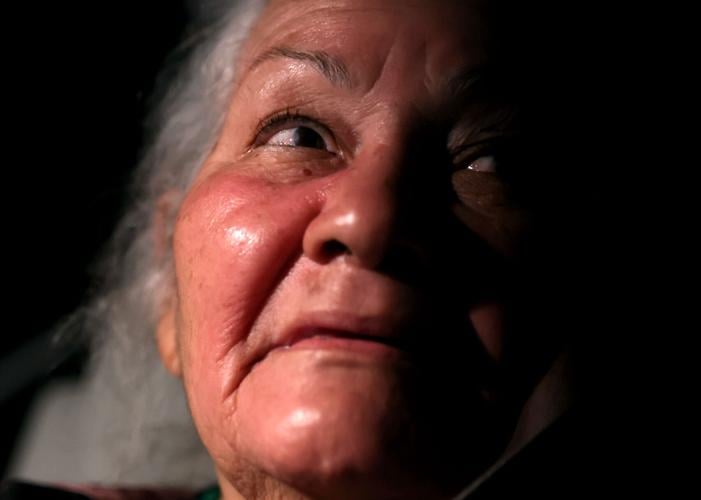
Julia — who surrendered to border agents near Lukeville in May 2025, after traveling from Cuba to Mexico — was having some memory problems last year. But after nine months in a strange, institutional setting, her dementia has worsened significantly, and she also began relying on a wheelchair, her family said.
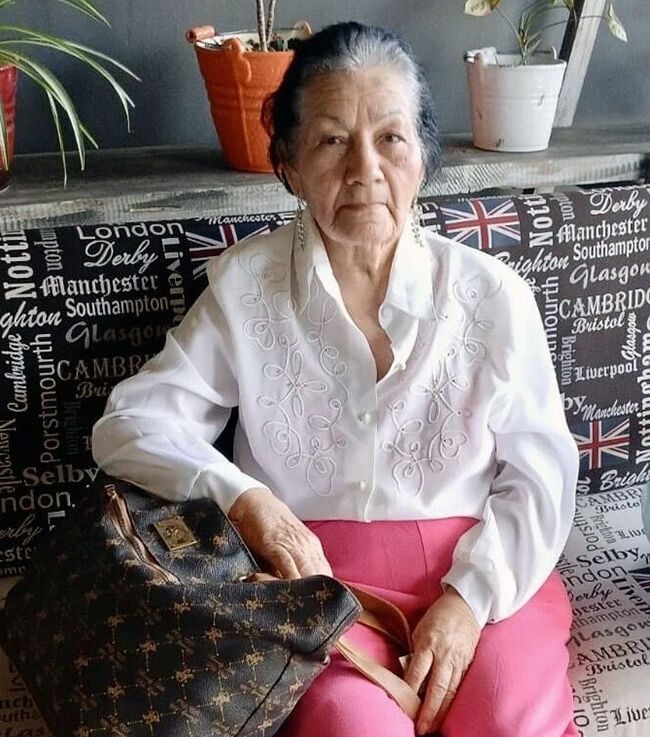
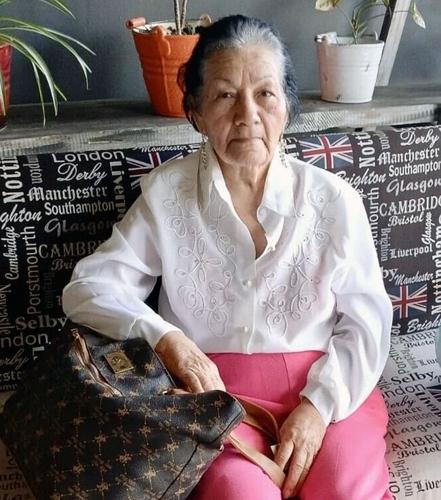
Cuban asylum seeker Julia Benitez is pictured last year in Mexico, then 78 years old, two days before crossing the U.S.-Mexico border near Lukeville, Arizona to surrender to border agents and request asylum. Benitez was released Thursday night after nine months in immigration detention in Eloy.
"I want to accompany her, to see what she can do, what skills she has left or doesn't have left," Dayana said. "My mother is a strong woman. … This freedom will be medicine for her soul."
Dayana expressed her gratitude for the Phoenix volunteers who picked up her mother from Eloy on Thursday night, and who have been advocating for her release. She also praised the female detainees at Eloy who gave special attention and care to her mother, recognizing her vulnerability in the facility.
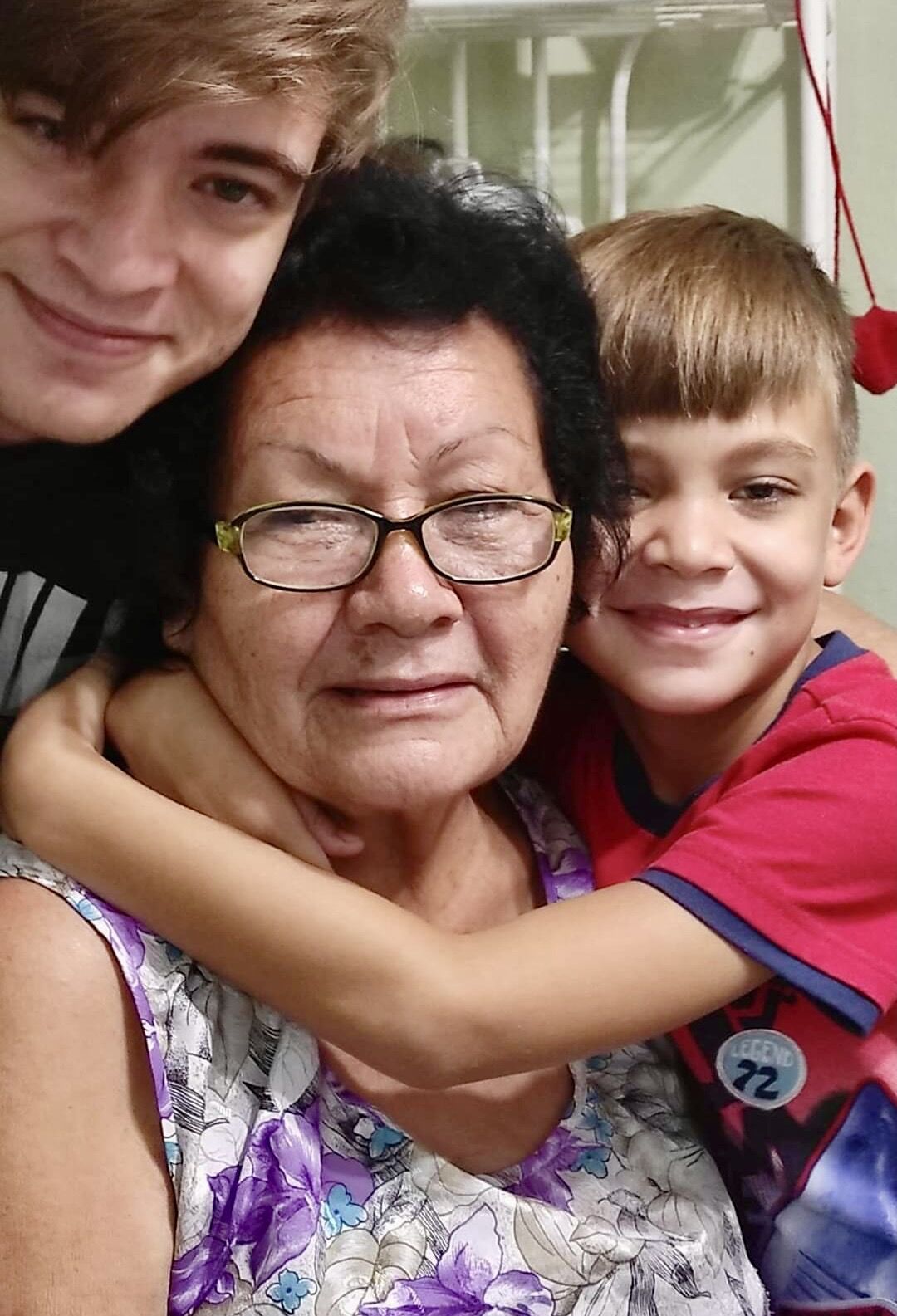
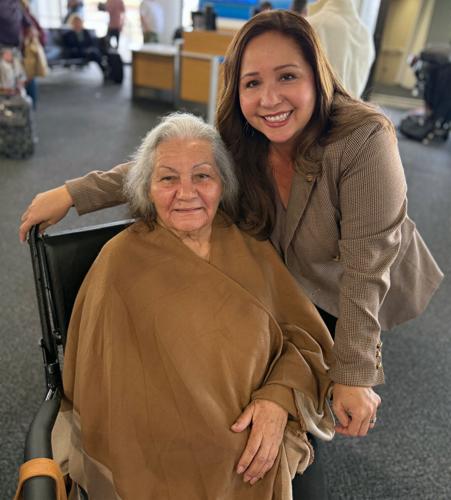
Julia Benitez is pictured in 2022 with her two grandsons, then 16 and 7 years old, when they lived together in Cuba.
The women helped Julia move around the facility, use the bathroom and get dressed, and gave her affection, Dayana said.
"They are angels sent from God," Dayana said. "They kept her company, and that gave my mom more strength so she wouldn't feel alone. It’s a sad story, but also beautiful."
During one video phone call with her mother at Eloy — calls that were often heartbreaking, if Julia didn’t recognize her daughter, or began crying — Dayana watched one of the detainees give her mother a gentle kiss on the head and caress her as a daughter would.
"That gave me so much happiness. ... God willing, the laws will favor every person there, every woman who is a mother, daughter, grandmother, wife, so they can be reunited with their families and so this country will give these women the opportunity to live a normal life," she said.
Amid the family’s joy is apprehension for the future, Dayana said: Julia’s asylum petition was rejected last year due to insufficient evidence, and her Miami-based lawyer is appealing the decision.
Julia's asylum petition said her life will be at risk if she's deported to Cuba.
"I have been a direct victim of persecution and intimidation by the communist regime simply for thinking differently and for being part of movements in favor of democratic change," according to her declaration. "After the public denunciation of my husband's murder at the hands of the Cuban border guards, my daughter and I were monitored, harassed and discriminated against for years."
Julia’s late husband, Daniel Cosme Ramos, was killed at age 46 by Cuban border guards in 1991, as he tried to flee the country, according to an entry in the archive site Cuba Archive, which classified his death as an enforced disappearance.
If Julia were to be deported, she wouldn’t have anything to go back to and would be in danger, Dayana said.
"Who would receive her? Where would she go? She has already left behind everything to reunite with her daughter and grandsons," she said.
But Dayana said she’s focusing on the immediate future, and her relief that her mother is free. The pain of her mother’s incarceration, along with the kindness her family has received, are things Dayana said she will never forget.
"This has marked my life forever," she said.
Get your morning recap of today's local news and read the full stories here: tucne.ws/morning

