



Even young desert animals can look miserable in heat like this, but that doesn’t necessarily mean they need to be rescued.
That was the reminder issued by wildlife experts on Thursday — the hottest day of the year so far — after a recent uptick in calls from people who found young hawks on the ground and assumed they were injured or abandoned.
According to a public service announcement from the Arizona Game and Fish Department, such birds often turn out to be fledglings that have left the nest and are learning to fly while still under the care of nearby parents. In most cases, the best way to help young hawks or other baby animals is to leave them alone, agency officials said.
“It’s natural to want to help, but what looks like an abandoned or helpless hawk is usually just a part of the normal development process,” said Dave Daniels, Game and Fish’s regional supervisor in Tucson. “Interfering with young wildlife can disrupt their natural development and reduce their chances of survival.”

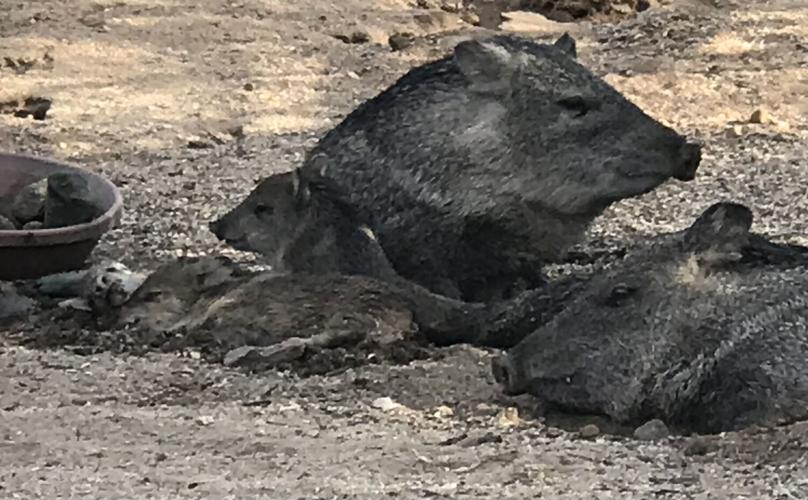
A group of javelinas and their babies cool off in the shade behind a home in Tucson.
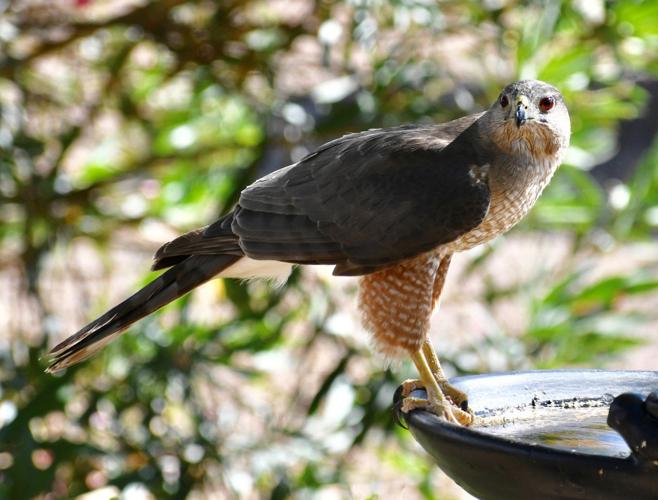
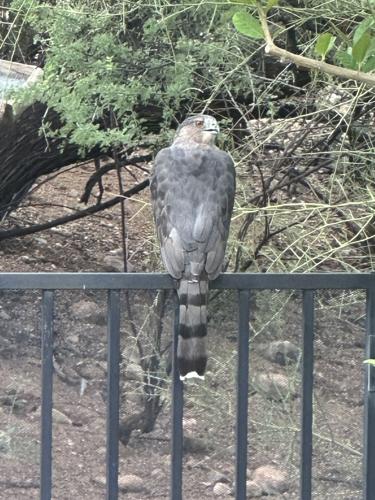
One of the most common raptors in Tucson is the Cooper’s hawk, which typically nests in urban and suburban areas during the spring and early summer. Their fledglings often spend time on the ground or perched on low branches as they build strength and learn to fly, but the parents are almost always close by, feeding and protecting them.
Local animal removal business Sonoran Wildlife Services issued a similar “yearly PSA” on Facebook Thursday.
“Whenever we hit our first 110-degree day ‘early,’ our calls for fledgling Cooper’s hawks go through the roof!” the post read. “These hawks are not injured or abandoned; it’s just way too hot up in their nests so they abandon ship.”

A Cooper’s hawk perches on the back gate of a home in Tucson.
If you simply must do something to help, Sonoran Wildlife Services suggested leaving out a saucer of water for the young hawk. If the bird is somewhere dangerous, like in an enclosed yard with a dog or a cat, you can try gently shooing it out the gate to safety — but not so far that its parents won’t be able to find it.
“Otherwise just have some pity for the baby birds that are experiencing our Tucson summer heat for the first time!” the post said. “Fledglings, as well as every other type of wildlife, are all seeking shade, safety and water. Until we get our first real monsoon rains, keep an eye out for critters seeking some respite from the heat in your yard.”

A Cooper’s hawk takes a drink and a dip at a backyard bird bath in SaddleBrooke in 2019.
State wildlife officials advise against touching or picking up wild animals. You should observe them from a distance to determine if they really need help, and contact Game and Fish before intervening.
“Young animals have a better chance of survival when left in the wild,” the agency said in its reminder to the public.
For additional information on what to do if you encounter wildlife that might be abandoned or hurt, go to the Game and Fish website at: azgfd.com/wildlife-conservation/living-with-wildlife.

