


If the unknowns from the USS Arizona are successfully identified some day, a retiree in Green Valley can claim a small bit of the credit.
Jane Allen is one of hundreds of people who have submitted genetic samples that could soon be used to finally identify the remains of several dozen Arizona crew members buried in Hawaii under headstones with no names on them.
She sent her DNA to a military lab about a year ago, after her family was contacted by Operation 85, a civilian-led, all-volunteer campaign dedicated to identifying the battleship's unidentified.
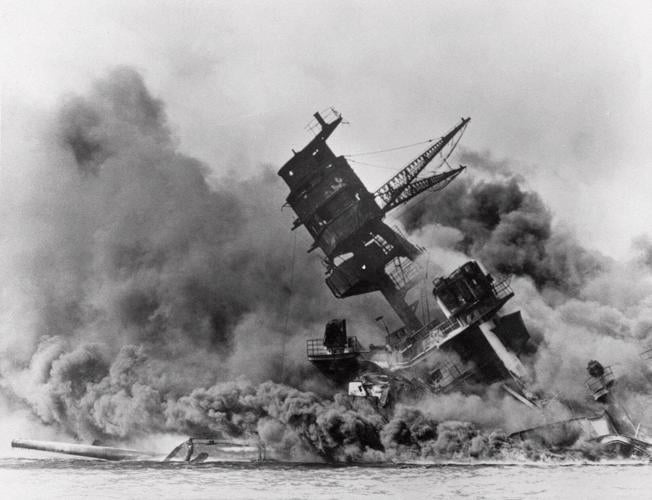
The USS Arizona exploded and quickly sank during the Japanese attack on Pearl Harbor, 84 years ago Sunday, killing 1,177 crew members. Among them was Allen’s paternal second cousin, Eric Reed Young, a 25-year-old Ensign from San Diego.
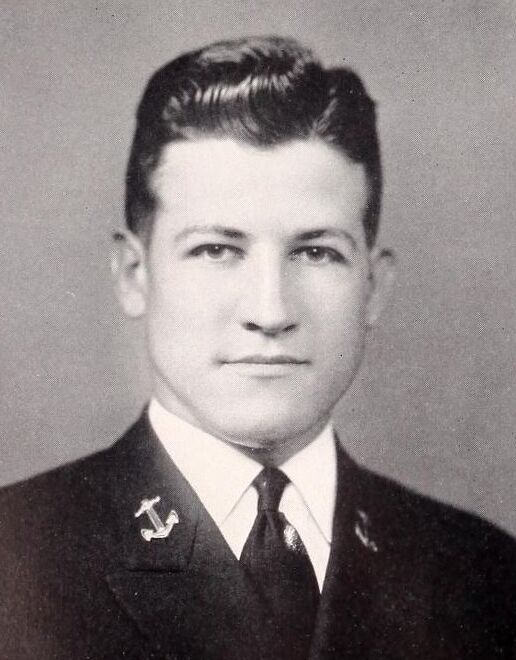
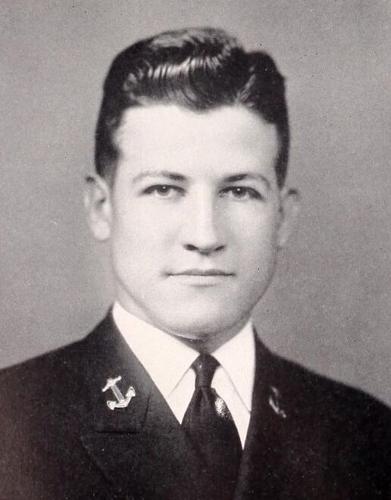
Ensign Eric Reed Young was killed on board the USS Arizona during the Japanese attack on Pearl Harbor on Dec. 7, 1941.
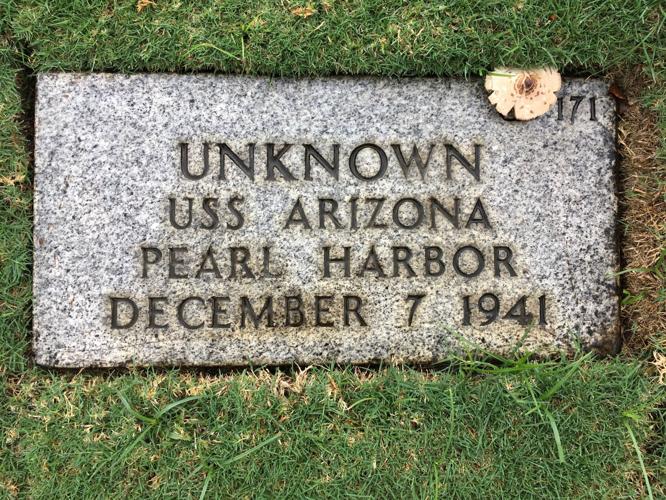
Most of the dead were entombed inside the ship, but the bodies of approximately 200 from the Arizona were recovered. Remains that could not be identified were buried as unknowns, some mixed together in mass graves, at the National Memorial Cemetery of the Pacific in Honolulu.
Since 2023, Operation 85 has been working to collect enough DNA samples from the living relatives of the battleship’s crew to prompt the Defense Department to consider reexamining those unidentified servicemen.
With the effort now closing in on its goal, officials from the Defense POW/MIA Accounting Agency recently confirmed that they have drafted a request for permission to disinter 86 sets of commingled remains associated with the Arizona and another 55 sets of remains with no known ship affiliation.

A headstone marks the grave of an unknown USS Arizona casualty at the National Memorial Cemetery of the Pacific, also known as the Punchbowl, in Honolulu.
Operation 85 founder Kevin Kline, whose great-uncle Robert died on the battleship, called it “one of the most significant developments ever announced regarding the USS Arizona unknowns.”
David Busby, a DPAA spokesman in Hawaii, said the agency will send its disinterment request to the Defense Department’s assistant secretary for manpower and reserve affairs as soon as the Armed Forces DNA Identification Laboratory confirms that it has family reference samples on file for at least 643 of the men who died on the Arizona.
As of Friday, that number stood at 615, though Kline said Operation 85 has made positive contact with more than 1,400 family members representing 675 fallen crew members so far.
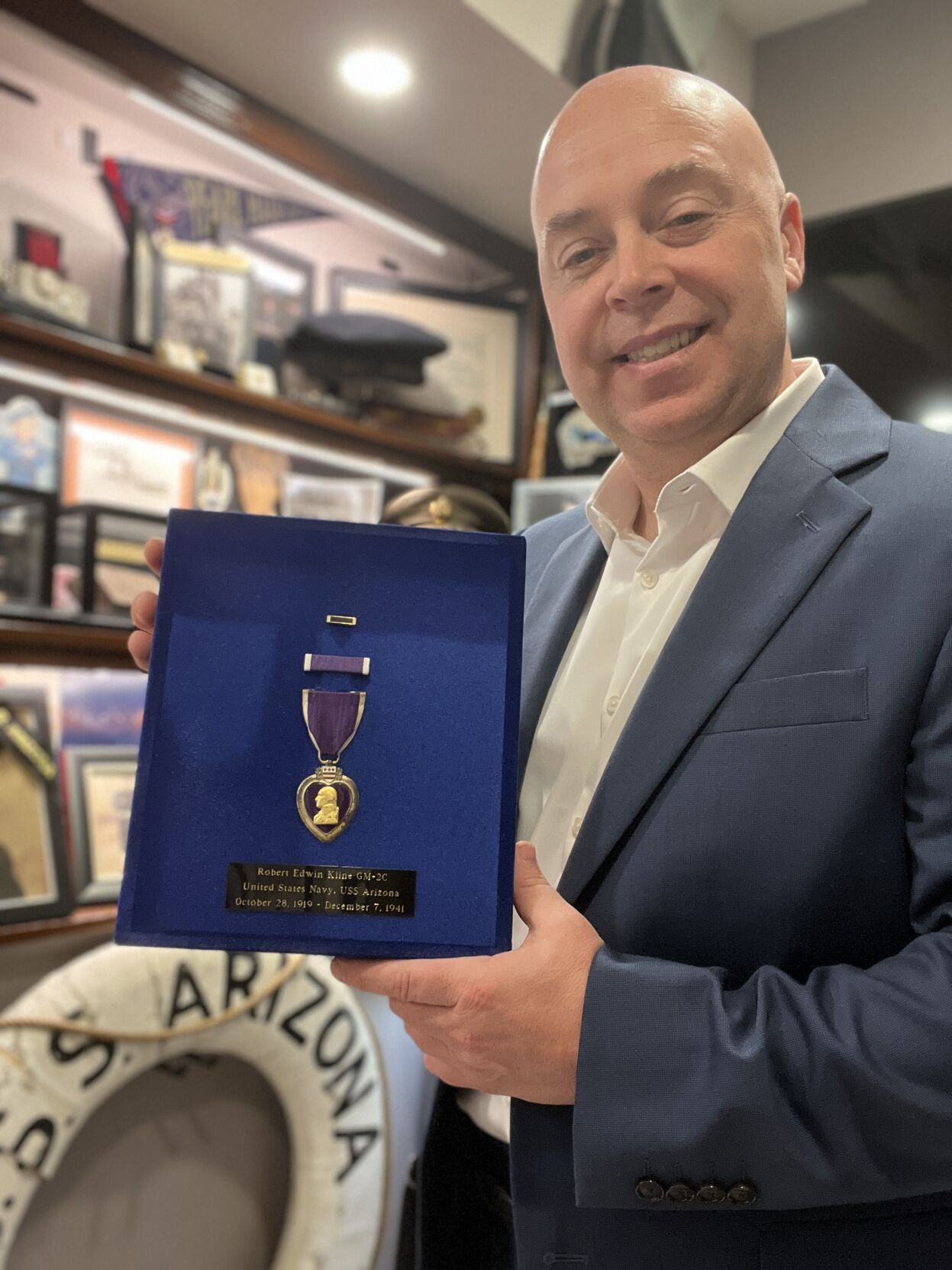
Kevin Kline holds the Purple Heart that was awarded to his great-uncle, Robert Kline, a 22-year-old gunner’s mate second class who was killed on the USS Arizona during the Pearl Harbor attack.
Allen said she doesn’t understand DNA well enough to know whether her sample will be of any use, but she was happy to help the cause.
“I hope they’re able to identify him,” she said of her second cousin. “It’s a really cool thing that they’re doing, honoring these guys by making these family connections.”
Allen didn’t even know about her lost relative from the USS Arizona until about a year ago, when she signed up for a free trial from the genealogy website Ancestry.com and began researching her dad’s side of the family.
She said Eric Reed Young was her grandfather’s nephew, but they lived on “opposite sides of the country.”
Allen eventually used Ancestry.com to connect with a different long-lost cousin, and he was the one who told her about Operation 85.
It wasn’t the first time someone had asked her for her DNA to help try to identify a missing serviceman. About five years ago, Allen said, she and her brother submitted samples to the Army to see if a set of remains found in Italy belonged to a distant cousin killed during World War II. “We never heard back from them,” she said.
The young Ensign Young is actually one of two of Allen’s relatives lost in the Pearl Harbor attack.
She said her father’s brother, Eric Allen, was a fighter pilot serving aboard the aircraft carrier USS Enterprise on Dec. 7, 1941.
After the attack, he and five other pilots were sent to search for the Japanese fleet, but they had to divert to Pearl Harbor to land when their fuel ran low. Though they radioed ahead, gunners on the surviving ships in the harbor mistook the six aircraft for another Japanese wave and opened fire, downing five of the planes, including the one flown by the 25-year-old Allen.
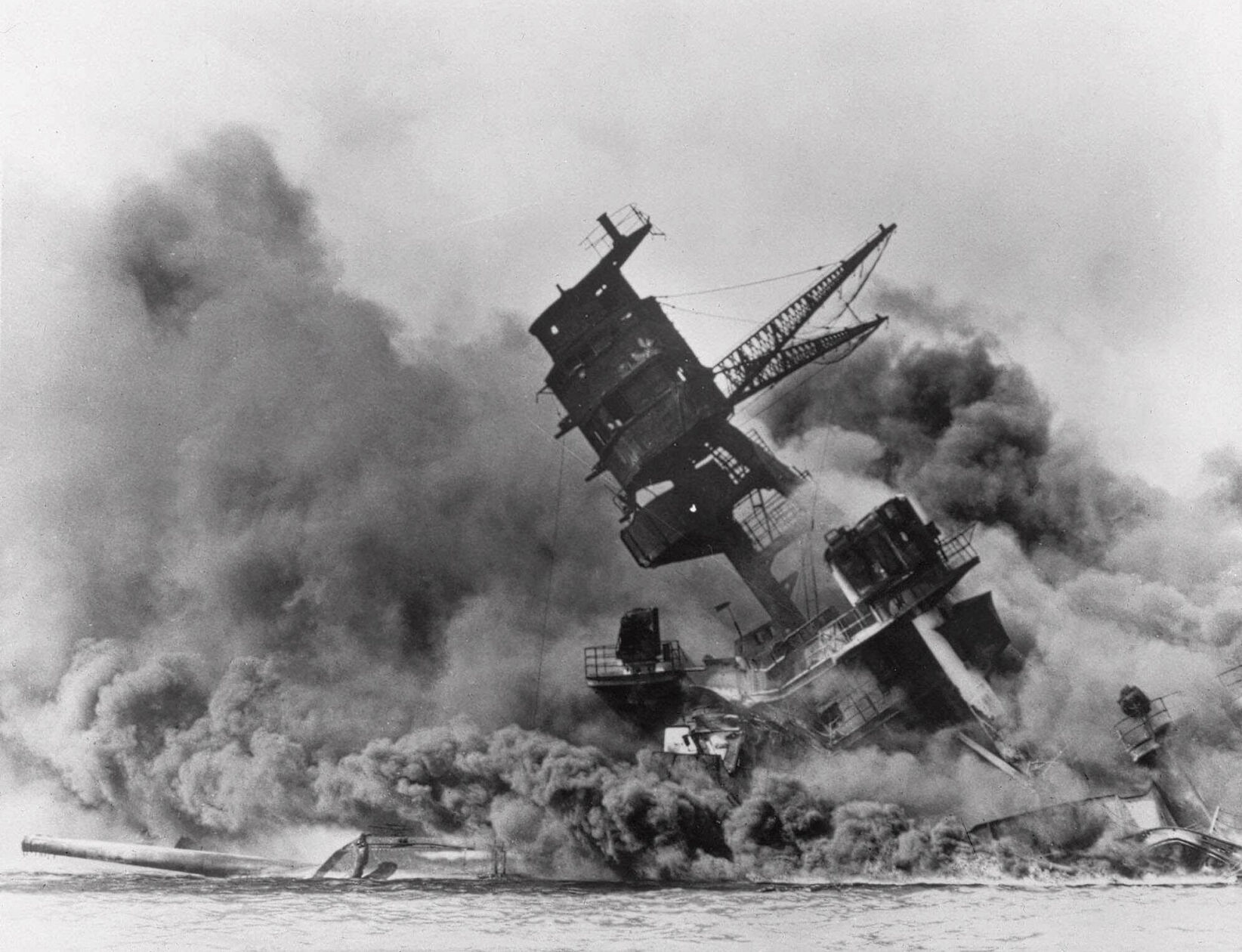
The battleship USS Arizona belches smoke as it topples over during the Dec. 7, 1941, Japanese surprise attack on Pearl Harbor, Hawaii.
It’s unclear when the quest to identify the USS Arizona unknowns might advance to the next phase.
Busby from the DPAA declined to speculate on how long it could take for Defense officials to review the agency’s request to exhume the remains.
“As for when we might be able to begin disinterment, many different factors go into decisions about large accessions into our laboratory, such as the status of in-progress disinterment projects, on-going case work, and laboratory capacity,” said Busby, an Air Force staff sergeant and forensic photographer. “It will really depend on a number of things once the approval to disinter has been made.”
None of the planned activity would involve the sunken battleship itself, which is managed by the National Park Service as a memorial and final resting place for more than 900 sailors and Marines.
Kline said Operation 85 hopes to work closely with the DPAA on whatever comes next.
Until then, he said, he and his team will continue with their mission: “To locate every family we can so that the identifications made in the next phase are as complete and successful as possible.”

