




After nearly 84 years, the USS Arizona’s unknowns could be one step closer to being known again.
A civilian-led effort called Operation 85 has reached its goal of collecting enough DNA samples from the living relatives of the battleship’s crew to prompt the Defense Department to consider reexamining dozens of unidentified servicemen who were buried in Hawaii after the Pearl Harbor attack.
Most of the 1,177 sailors and Marines killed on the USS Arizona on Dec. 7, 1941, were entombed inside the ship when it sank.

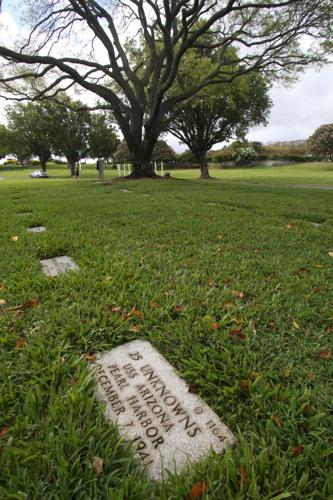
Some of the unidentified remains of USS Arizona casualties are buried commingled in mass graves at National Memorial Cemetery of the Pacific in Honolulu. A civilian-led effort has reached its goal of collecting enough DNA samples from the living relatives of the battleship’s crew to prompt the Defense Department to consider reexamining dozens of the unidentified servicemen buried in Hawaii after the Pearl Harbor attack.
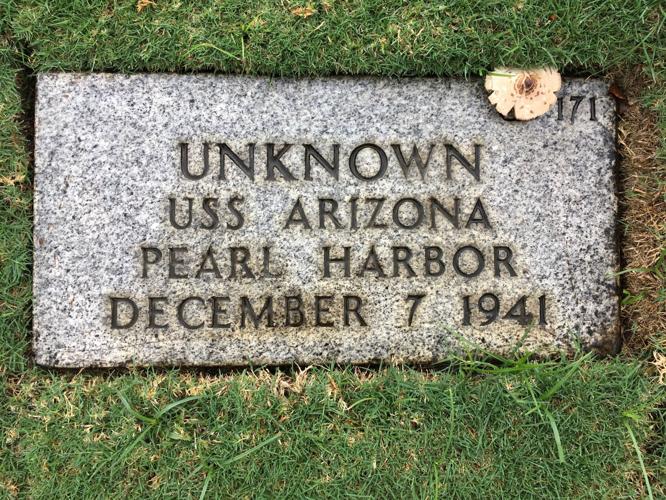
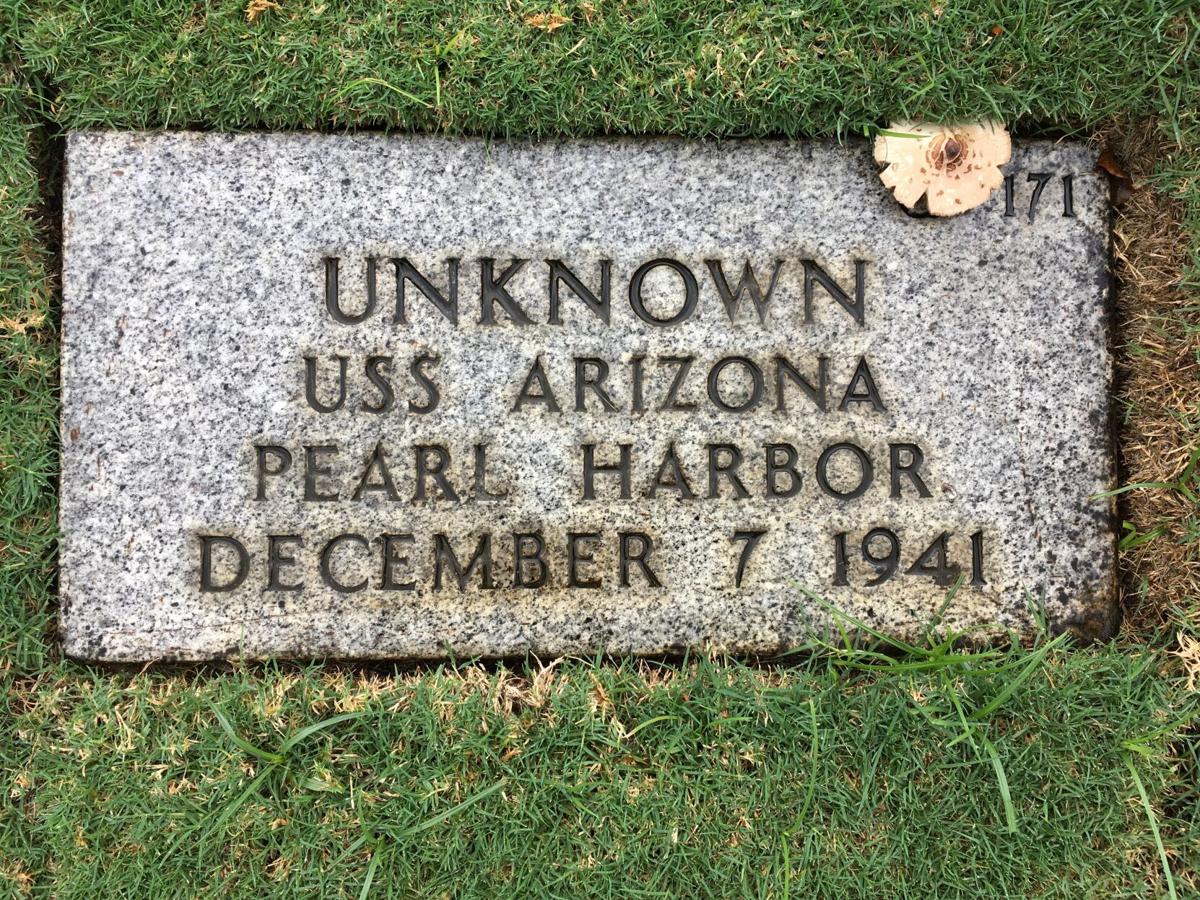
Only 105 bodies were recovered and identified. Those who could not be identified were buried as unknowns, some in mass graves.
Virginia real estate agent Kevin Kline launched USS Arizona Operation 85 in April of 2023 in honor of his great-uncle, Robert Kline, a gunner’s mate second class who died on the Arizona at the age of 22. The sole mission of the all-volunteer project: to identify as many of the unknowns as possible.
“To have ‘unknown’ on a grave when we have the technology to know — that just doesn’t sit right with me,” Kline said.

Gunner’s Mate Second Class Robert Edwin Kline was killed on the USS Arizona on Dec. 7, 1941. Like most of the 1,177 sailors and Marines who died on the battleship that day, his remains were never recovered and identified.
Under Defense Department policy, DNA samples must be collected from the relatives of at least 60% of the ship’s unrecovered crew before the Defense POW/MIA Accounting Agency will consider disinterring remains for possible identification.
Kline and company believe they officially hit that mark last month, when the number of Arizona crewmen represented by so-called “family reference samples” surpassed 643.
As of Friday, that total stood at 661, thanks almost entirely to Operation 85’s campaign to track down nearly 1,400 descendants of the Arizona crew and talk them into submitting their DNA to the Armed Forces Medical Examiner System.
Among those convinced to participate was the nephew of 17-year-old James Van Horn, the only Tucsonan to die on the USS Arizona.
More than 85
“We have had overwhelming interest. Of the 1,395 surviving family members we’ve connected with, only 12 said they had no interest in participating and providing a DNA sample,” Kline said.
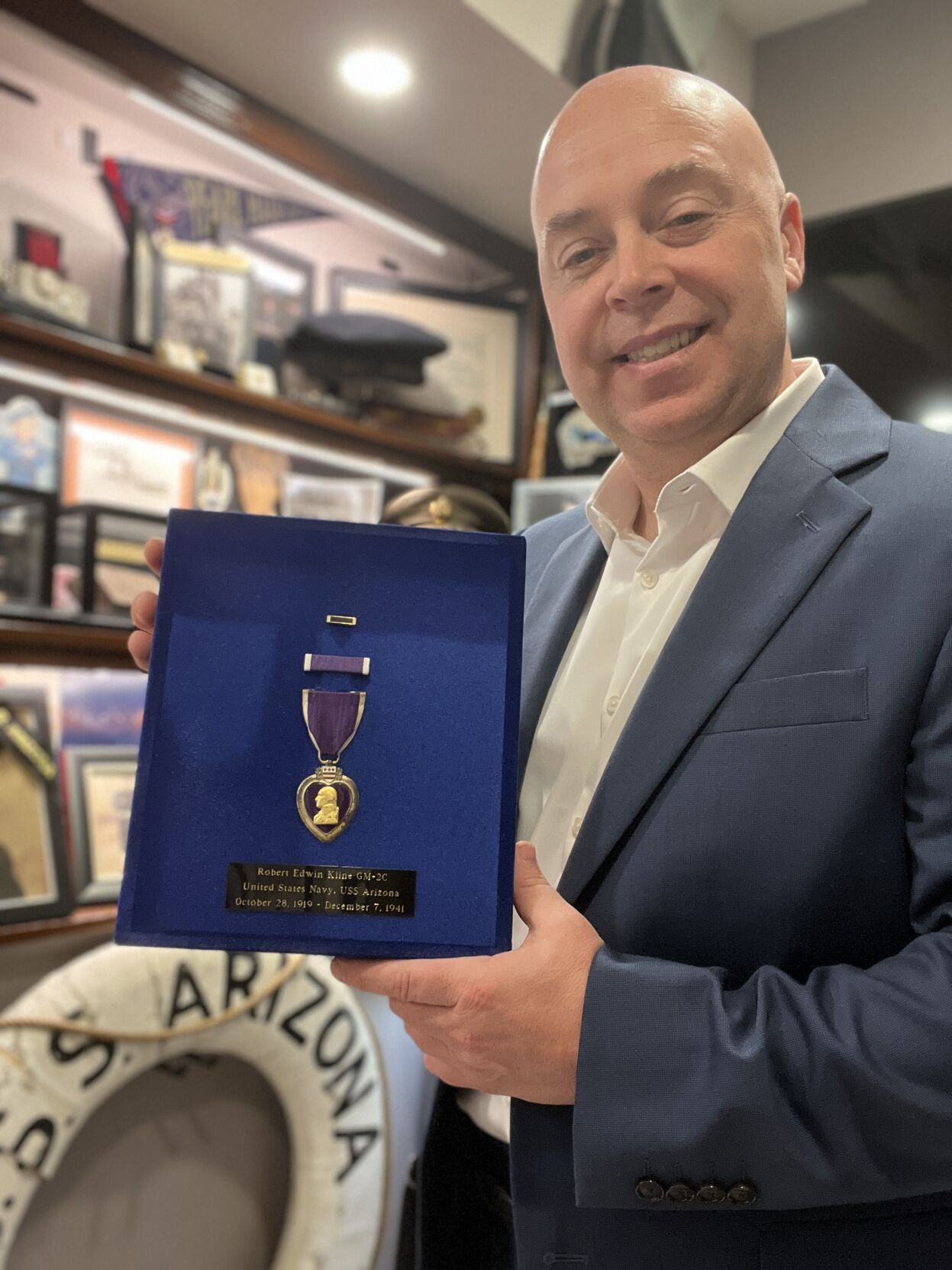
Kevin Kline holds the Purple Heart that was awarded to his great-uncle, Robert Kline, a 22-year-old gunner’s mate second class who was killed on the USS Arizona during the Pearl Harbor attack.
Four others died before their sample kits could be returned, and about 125 descendants had to be turned away, either because they were too distantly related to be used for identification or their link to the crewmember could not be confirmed by Operation 85’s genealogist.
The group adopted the number 85 as part of its name because that’s how many unidentified Arizona crew members were thought to be buried at the National Memorial Cemetery of the Pacific, which overlooks Honolulu from the volcanic heart of Punchbowl Crater.
Since then, Kline said, he has learned the true number could be well over 100, and that some of the men might not have been buried with their fellow Arizona crew members.
There is also a chance that the graves dedicated to the USS Arizona contain the remains of men from other ships as well, he said. “Who knows, we could find another sailor from the Oklahoma or somewhere else.”
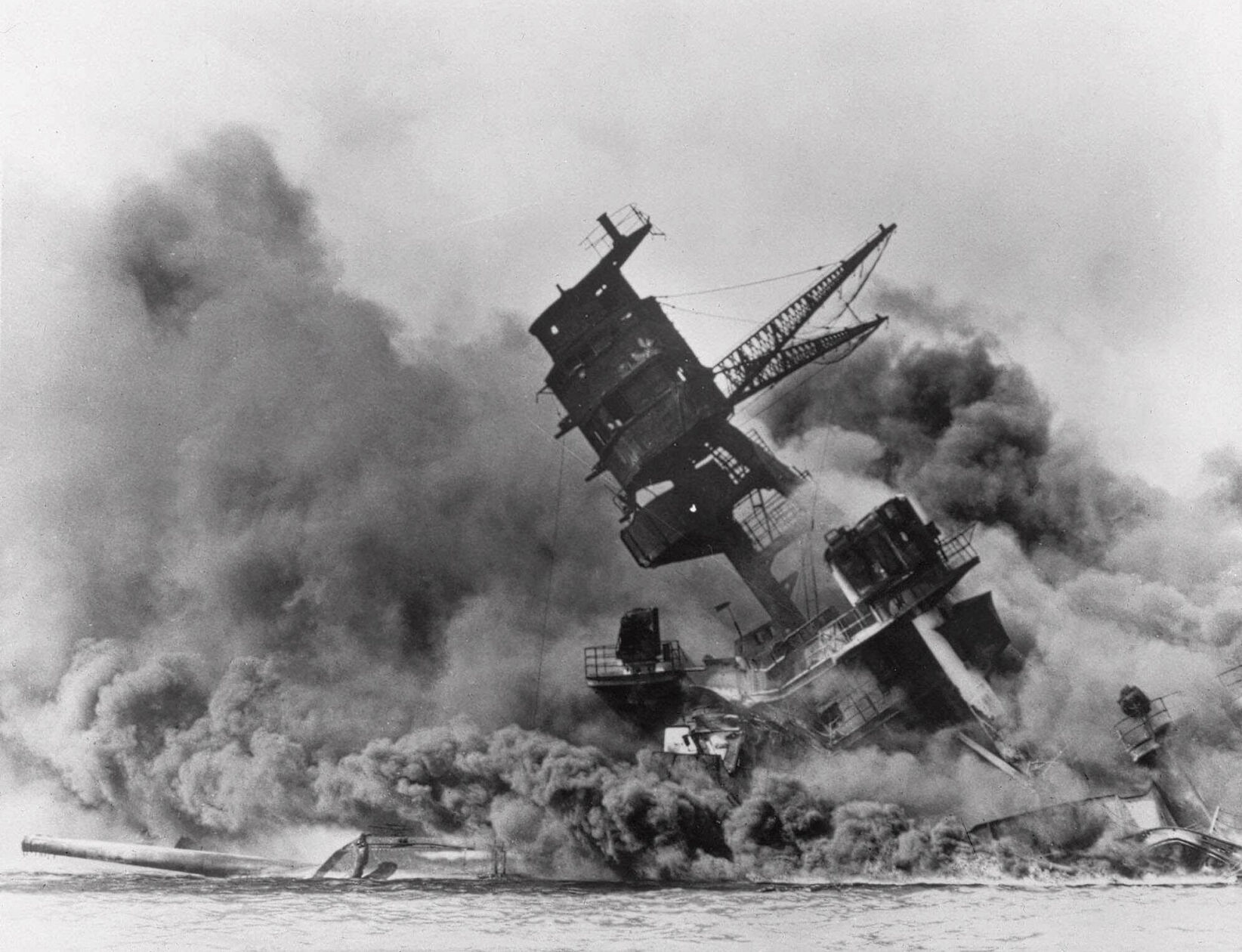
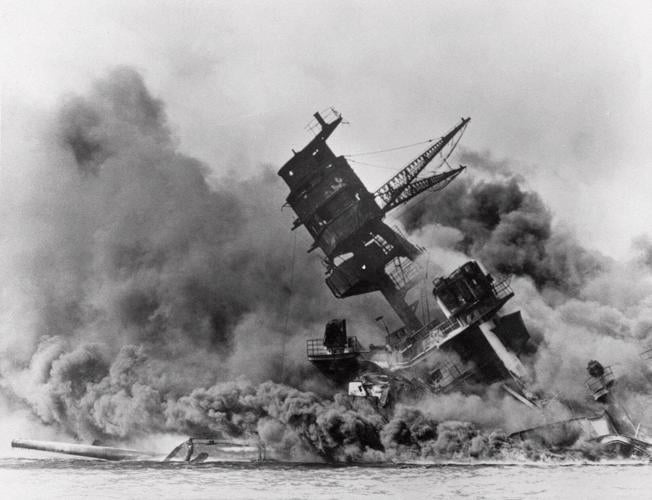
The battleship USS Arizona belches smoke as it topples over during the Dec. 7, 1941, Japanese surprise attack on Pearl Harbor, Hawaii.
The effort is focused solely on the graves of the unknowns at the Punchbowl. The sunken battleship itself is considered a national shrine and will not be disturbed.
Now that Operation 85 has surpassed the 643-man threshold, Kline said the next step is to schedule a meeting with top-ranking Navy officials to lobby for the identification process to begin.
“We were going to do it in October, but October came and went. Now we’re hoping for (a meeting in) November,” he said.
DNA is "a key line of evidence" used by the Defense POW/MIA Accounting Agency to account for the missing, so gathering genetic reference samples from relatives is "crucial to this effort," said U.S. Air Force Lt. Col. George Tobias, the agency's chief of public affairs.
"It is laudable that Operation 85 embarked on collecting them from the families of USS Arizona crewmen and have progressed as they have," Tobias said in an email Saturday.
Kline and his team aren't finished, either. He said they plan to keep searching for more surviving descendants of the Arizona crew and adding to the number of DNA samples on file.
"The goal is to identify everybody," Kline said.
Back on board
Already, the group has dramatically exceeded expectations, accomplishing in less than three years a task that Defense officials predicted would take paid military staff members as much as a decade.
A 2022 report by the Department of the Navy estimated it would cost roughly $2.7 million just to locate, contact and collect DNA samples from surviving relatives of the ship’s crew. The document concluded that identifying the Arizona unknowns was feasible but would “require significant resources and an inordinate amount of time.”
Basically, Kline said, the Navy spent $83,000 to write a report detailing why the work couldn’t easily be done, then Operation 85 went out and did it for around $70,000.
Whatever the grassroots effort may have lacked in funding, it more than made up for through the sheer determination of its volunteer staff, which has grown to include a forensic genealogist, two research analysts and the ever-available Kline himself.
“I’ve picked up the phone on Christmas. I’ve picked up the phone while in line at Hersheypark (amusement park), waiting to ride a rollercoaster with my kids,” he said.
Along the way, Operation 85 has worked with the Navy to streamline its process for accepting genetic samples from the relatives of missing service members, Kline said. The Marine Corps already had a user-friendly process in place, so all it took to get the Navy on board was “basically me saying good things about the Marines over and over again,” he explained with a laugh.
Kline and his team have also helped track down the personnel files and dental records for hundreds of Arizona crew members to aid with the process of identifying any remains that might eventually be exhumed.
As word has gotten around about the success of the project, Kline said family members of the missing from other conflicts have contacted him to ask, “How are you doing this? How are you breaking through?”
The effort got a huge head start early on, thanks to Tucson journalist Bobbie Jo Buel. The former Arizona Daily Star editor spent more than five years of her own researching the crew by scouring newspaper archives and public records and collecting snapshots and personal letters from relatives of the men.
The profiles that Buel compiled for every sailor and Marine who died on the battleship are now housed on the Operation 85 website, and her notes proved instrumental as the team set out to find the crew’s blood relatives.

The medallion for James Randolph Van Horn, on the USS Arizona Mall Memorial at the University of Arizona, honors the 17-year-old who was the only Tucsonan killed aboard the battleship during the Japanese attack on Pearl Harbor in 1941.
Robert Edwin Kline already has a memorial headstone at Arlington National Cemetery in Virginia — placed there at the request of surviving family members about 20 years ago, in the absence of a marked grave anywhere else.
If the gunner’s mate is one of the unknowns who ends up being identified as a result of Operation 85, his great-nephew said his family has already chosen a final resting place for the young man’s remains. They want him to be entombed alongside his shipmates inside the sunken Arizona.
“He joined the Navy at 17 and died at 22,” Kline said. “The majority of his adult life was spent on that ship. Let him go back there.”
Footage from the 2006 memorial service at Arlington National Cemetery for Gunner's Mate Second Class Robert Edwin Kline, who died on the USS Arizona during the Japanese attack on Pearl Harbor on Dec. 7th, 1941. Though his remains were not recovered, this memorial headstone was placed in his honor 65 years after his death.

