


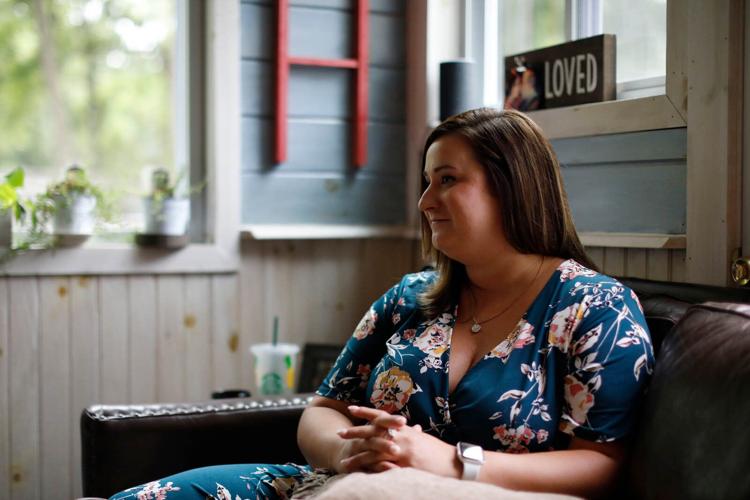
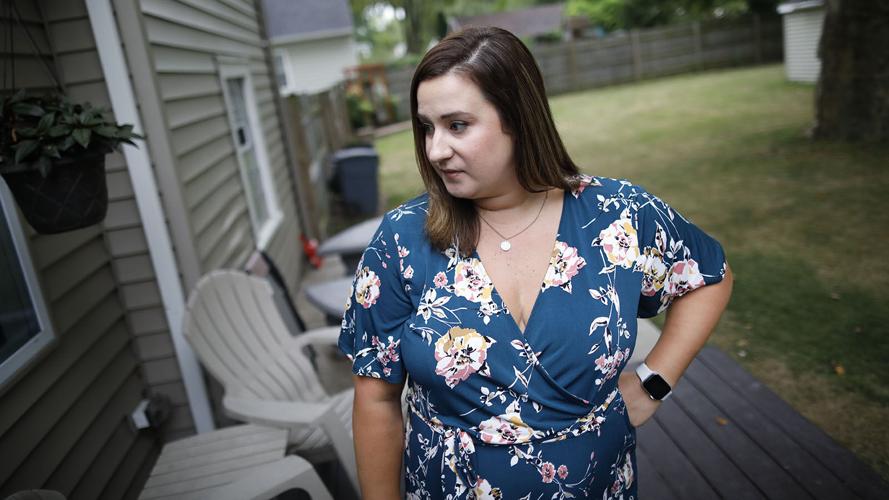
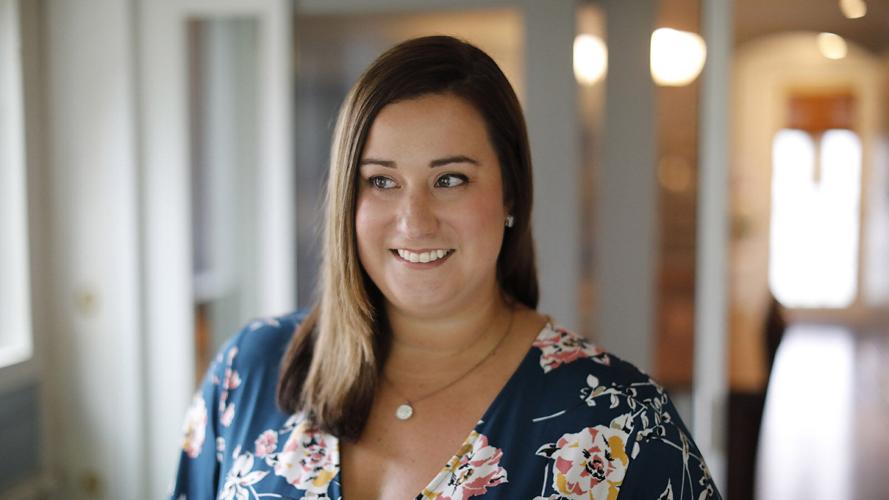
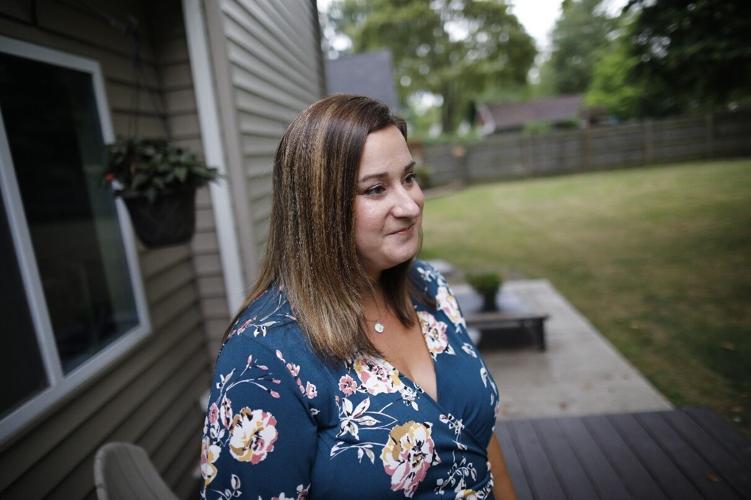
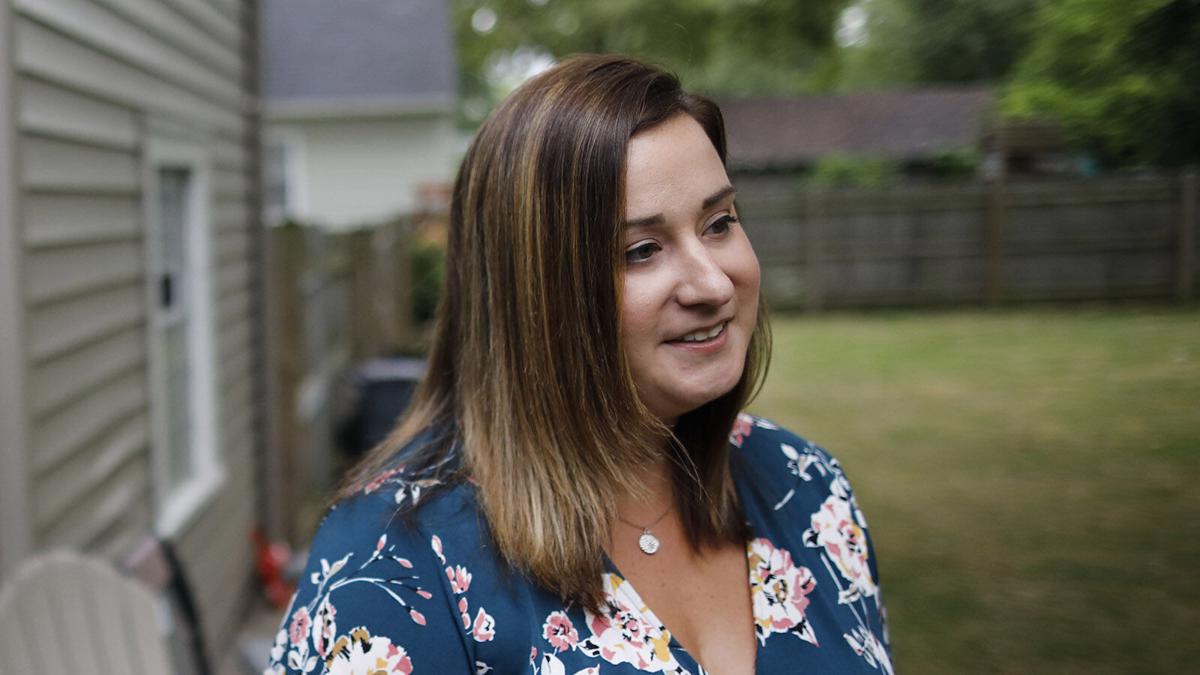
Jennifer Arutunjan, 36
You have to be resilient in the food and beverage industry. Working in restaurants, we all know that. You run out of something, or something breaks, or three people call in sick – you have to roll with the punches. I don’t like it, but it’s the same thing with Covid: You hear one thing, you change your plans, and then something else happens. You just have to keep working and adapting and understand that nothing’s certain.
Before all this, when Covid started, I was working as general manager at the Draft Room next to KeyBank arena. I’ve been in the restaurant industry since day one. My first job when I was 16 was at a sub shop, and then I studied hospitality – and later business administration, for my Master's – in college.
At Draft Room, we had two types of volume: kind of slow, everyday volume, like business lunches, and then sporting event volume, which is crazy. That’s full-capacity, line-out-the-door. That was when we thrived and made our money. So when Sabres’ games and concerts started shutting down in March, we tried to react as best we could. We did to-go service, but we had never done a lot of takeout – I don’t think that when people order takeout, they immediately think "Draft Room." We ended up closing at the very end of March and laying off all the hourly staff, around 50 people. I was furloughed with the rest of the management team at the beginning of April.

"It’s just that you miss working. You miss the grind, the 9-to-5, the 12-to-10, the 3-to-whatever. You miss making an impact in the organization."
It’s still surreal thinking about it. You go from working that much, having a big team – and then, boom. I had peace of mind, though, because we were scheduled to come back in late summer. I was basically just hanging out at home, spending time with my family, getting to know my neighbors better. Working in the hospitality industry, you work a lot of long hours and don’t get much time off, so in the beginning it felt like vacation. I can always see the bright side – I’m an optimist. I was like, "No, it’s OK, we can get through this."
The vacation feeling wore off pretty fast, though. I was OK on money. I live with my boyfriend, whose job wasn’t affected, and I also had unemployment and the stimulus and savings. It’s just that you miss working. You miss the grind, the 9-to-5, the 12-to-10, the 3-to-whatever. You miss making an impact in the organization. You miss working with a team of people. You try to keep busy, make a routine, make it normal – but there’s nothing normal about this situation. The reality sinks in that this is serious, that people are hurting, dying. You wonder what everything’s gonna look like afterward, how businesses are going to survive it.
Out of work in Western New York: Portraits of uncertainty, anxiety and resilience
There are stages you go through that are almost like grief. Not just with Covid, that’s one side of it. But also with your job and your personal journey and how drastically all of that changed, almost like a death. Maybe you lost your job and you were promised that you’d get it back again, but there comes a point when you’re ready, you know, for things not to work out the way you thought. Maybe you’re not going back after all.
In July, my return-to-work date was delayed until Sept. 8. Then we were delayed again in mid-August, and that time they didn’t give us a new date. The plan was to wait and see how things unfolded with the sports industry: When will the season start for hockey? Are fans going to be allowed to games? I think a lot of people hung on as long as they could, including me. But once you hit the six-month mark, you need to get back to work. In September, I talked to my boss to let him know I was putting my name out there more aggressively, and to ask for a reference. He was like, "Of course, absolutely." He got it.

"There are stages you go through that are almost like grief. Not just with Covid, that’s one side of it. But also with your job and your personal journey and how drastically all of that changed, almost like a death."
I’m applying to roughly three jobs a day now, including some jobs that might be a “step back,” quote unquote, just because they’re available. Earlier this month, I was offered a job at another restaurant, making more money than in my previous role. But once I got there, I realized there were things going on that I couldn’t ignore – it would have been bad for my sanity. And my morals. My parents said, "It’s a paycheck!" It would have made my life hell, though.
So – on to the next. I have a video interview coming up for a position as the manager of learning and development at an accounting firm. It’s like what I’m used to doing on the training side of management, which is really where my passion and interest are. I’ve been doing some consulting and some work on resumes, too. I always wanted to start my own business. I haven’t hit it that hard yet, though. Obviously a new job is my main focus.
Jennifer Aruntunjan talks about how her perception of unemployment quickly changed as she realized that the pandemic was unprecedented in the scale of its disruption of the restaurant industry at large.
As for Draft Room, I’m not sure when it is opening again. I would be happy to go back to my old job. But more and more I feel like I could also do something else. I’ve had time to study my resume and the different things I’ve done, and to think about what I’m passionate about.
Last I heard, hockey might come back in March. My old bosses still have no word on what’s happening, as far as when they reopen or not. This is like no situation anyone’s been in before. All you can do is hang tough and wait it out.
— As told to Caitlin Dewey. Interviews have been condensed and edited for clarity.
About this series
Americans have endured economic crises before but none quite like this. To capture the depths of the suffering, The Buffalo News teamed up with the New York Times and 10 local news organizations across the country to document the lives of Americans who found themselves out of work.
For months, we followed them as they dialed unemployment hotlines, applied for hundreds of jobs and counted every dollar in their bank accounts for rent and food. All of it while trying to survive a pandemic.
Read stories from across the country in the New York Times: Out of Work in America
Read stories from Buffalo Niagara: Out of Work in Western New York