




Nick De Meglio, 39
I had this idea of how my life was going to develop and what it was going to be. The path I’m on now doesn’t allow me to keep anything of that envisioned future. It’s a complete reworking. I planned to raise my kids in Western New York and fix up my house in Williamsville, maybe even move to Lewiston. If I was going to move anywhere, that’s where I’d want it to be. I like that small-town, Americana feel. It reminds me of a Norman Rockwell painting.
But instead we’re moving to a big city: Tempe. Which I just learned is attached to Phoenix. Is that considered a big city? Honestly, I don’t know anything about Tempe or Phoenix or Arizona – Nebraska is probably the closest I’ve been to the Southwest. I love snow. I love wintertime. I enjoy mowing the lawn. But there’s no lawns in Tempe, it’s too hot. Apparently the weather forecast out there is 110 degrees today. I’m looking at that like, what did I get myself into? I had to take a new position, though. It’s not like I had many choices.
Before all this started, I was a data engineer at Delaware North. That’s kind of like a computer programmer. I started at Delaware North in August 2019, and I was starting to come into my own there. I really liked the people I worked with. I felt like I had an opportunity to make an impact long-term. But then the floor fell out beneath us.

"I had this idea of how my life was going to develop and what it was going to be. The path I’m on now doesn’t allow me to keep anything of that envisioned future. It’s a complete reworking."
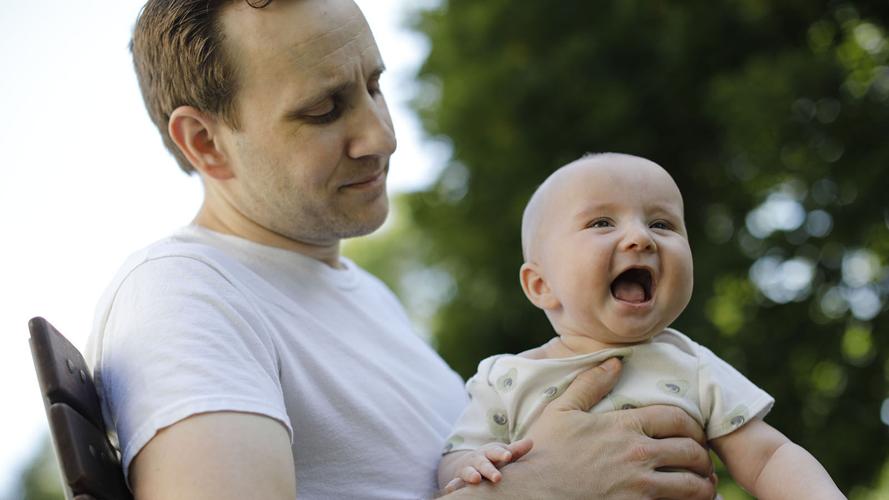
At first I wasn’t worried about coronavirus. I was ignorant. It was like, 700 people in China, right? Nothing serious. But right before the baby was born – I have 5-year-old twins and a new baby, born on March 3 – we started hearing rumors that things might get shut down. And that’s when I started thinking this wouldn’t end well for us.
Delaware North ended up announcing furloughs in March. They told us they didn’t know for how long. Essentially, the life of the company was on the line. I understand they couldn’t afford to keep us. Starting April 1, I had to take all my vacation, and then that was the last paycheck until they called you back. But that’s stressful, you know? We didn’t have the reserves to last six or eight months, even on unemployment. My wife doesn’t work either. I was lucky, at one point, to make enough money where she could stay home with the twins when they were born. But we were never rich or going on vacation every year.
Out of work in Western New York: Portraits of uncertainty, anxiety and resilience
As soon as things started to go south, we had to cut everything down to the bare minimum: defer the mortgage payment, shut off the student loan payments, spend as little money as possible. We'd still go to Anderson's like once every other week to get some ice cream, or Burger King had these two-for-one Whopper specials. The kids shouldn’t suffer because the world’s gone crazy. We tried to keep things as normal for them as possible.

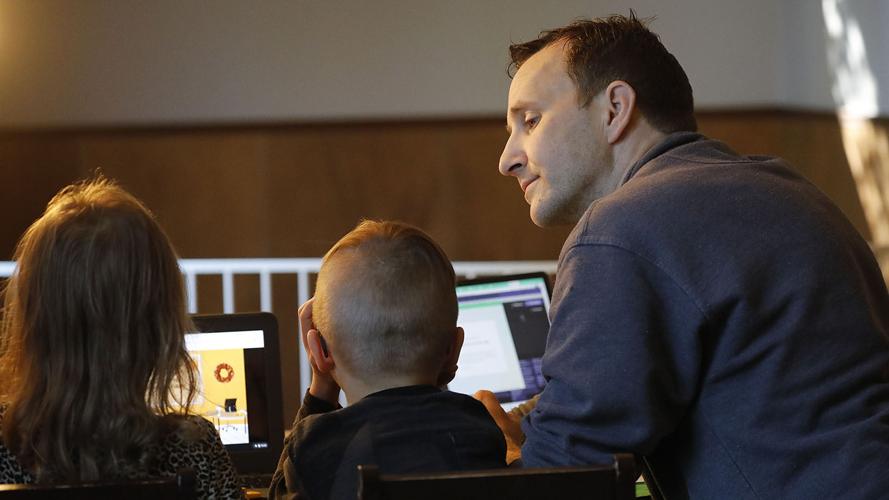
Nick De Meglio helps his 5-year-old twins Francesca and Allessandro set up a video for their kindergarten class as he balances remote learning with a new programming job working from home.
We did tell them, you know, there’s a virus, and they knew that if they broke something we couldn’t replace it right away. But they didn’t need to know we had, like, two months of money left. All those conversations happened after they went to bed.
By the middle of the summer, I was applying for new jobs outside of Delaware North. Not too seriously, at first, because I really wanted to go back to my old job. But at the same time, you have all that stress about the future. Am I going to go back to Delaware North? Will it be in time to avoid bankruptcy? A couple of nights per week you think about these questions so much you can’t sleep. One of the things that blew my mind, when this hit in March, was that for the first time in my life I had no idea what was going to come next. The uncertainty is the hardest part. You can’t plan around it.
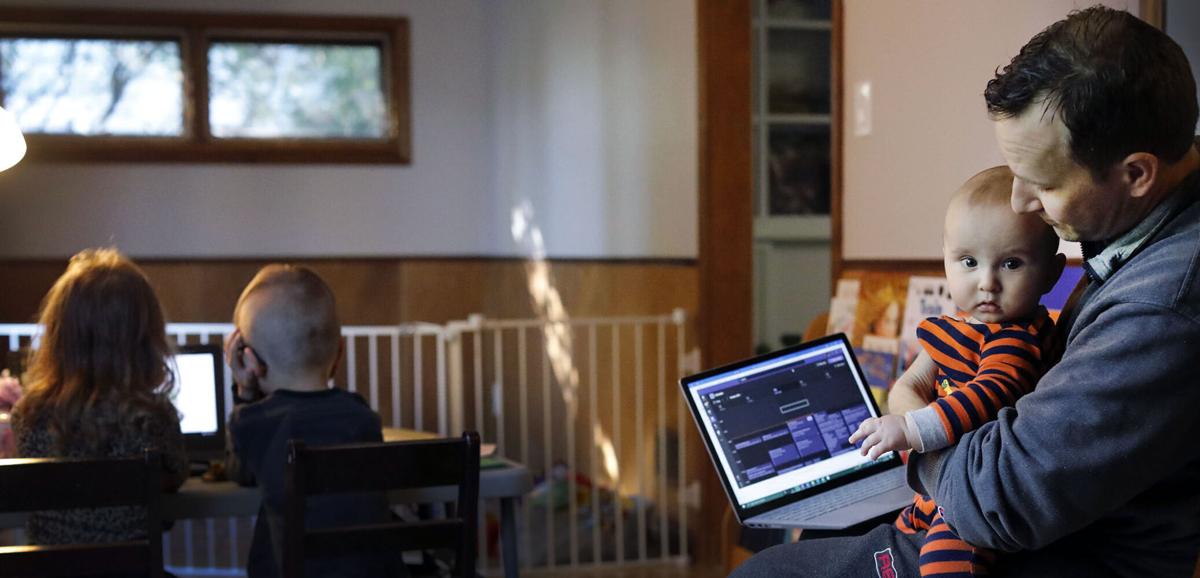
Nick De Meglio talks about when he realized he was likely going to lose his job as a programmer at Delaware North as the pandemic swept the nation in March and the hopelessness of facing the job market again. He has since found a new job and is planning to relocate to Arizona.
In August, we did get some clarity. Toward the beginning of the month, I was invited to a Webex call with Delaware North’s CIO and a manager I’d never heard of. They did the respectable thing, calling everyone. The tone was really somber. Basically there were some pleasantries and then they said, you know, we’re sorry, but things are not progressing as quickly as we hoped and we’re going to have to eliminate your position. I told them I wasn’t upset, and I’m not. By that point I felt like I’d been laid-off already. And Delaware North was hit exceptionally hard – the whole hospitality business was. I get it.

"Really, when you think about it, I’m the lucky one. How long is it going to take someone to dig out who is less fortunate, who has another kind of job?"
So I ended up taking this new position at a financial management group in Arizona. There really aren’t any jobs for data engineers in Buffalo. I started remotely – you know, working alone, locked in my basement – but they want me to move there by the end of the year when this all blows over. My wife wants the kids to finish the school year here, so I’ll move first and find a place, and they’ll come after that. It’s the longest time I’ve been away from my kids. That will be a challenge.
And it is bittersweet, too, now that it’s final, because it’s Arizona. I had a lot of plans here, but those will have to go. It seemed wise to accept the job: I’ve been out of work for six months. This job came with a significant salary increase, and that will help me pay down my debts and close whatever gaps we’ve opened up.
Really, when you think about it, I’m the lucky one. How long is it going to take someone to dig out who is less fortunate, who has another kind of job? It could take you a lifetime to dig out from the last six months. And once poverty gets you, it doesn’t let up.
I also think the brain drain will hurt this area for years. Delaware North won’t be able to recruit new tech talent when this is over. It’s not like Buffalo was ever flush with tech workers. By the time they’re ready to hire, everyone’s going to have another job, maybe in another market. I feel worse about that than I do about losing my job. I cared for Delaware North. I want the best for them.
— As told to Caitlin Dewey. Interviews have been condensed and edited for clarity.
About this series
Americans have endured economic crises before but none quite like this. To capture the depths of the suffering, The Buffalo News teamed up with the New York Times and 10 local news organizations across the country to document the lives of Americans who found themselves out of work.
For months, we followed them as they dialed unemployment hotlines, applied for hundreds of jobs and counted every dollar in their bank accounts for rent and food. All of it while trying to survive a pandemic.
Read stories from across the country in the New York Times: Out of Work in America
Read the stories from Buffalo Niagara: Out of Work in Western New York