


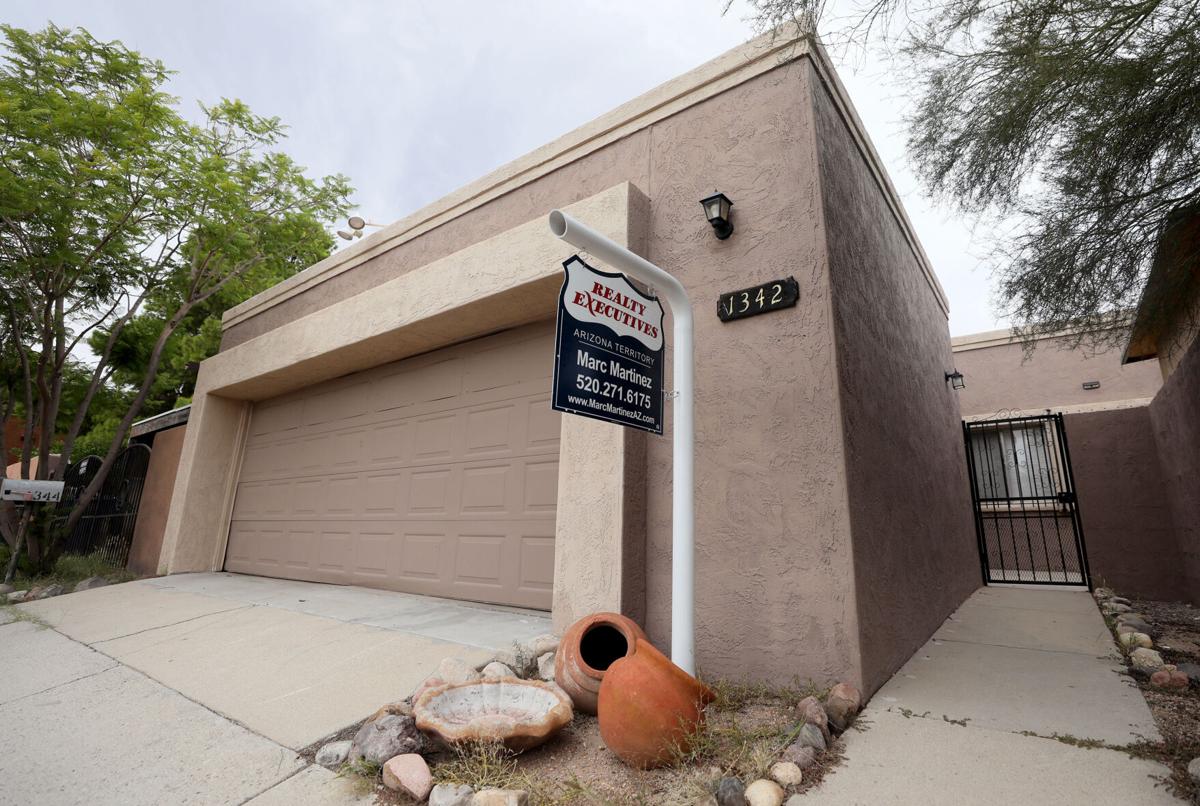
Q: What is deed fraud?
A: Maybe you have heard of criminals using deed fraud to steal someone’s home and you are wondering if your home is at risk.
Deed fraud is on the rise. Generally, this starts with some kind of identity fraud. Someone claims to be the owner of the home and claims the deed.
In the well-known case of Arizona resident Deb Gottlieb, a 30-year-old California man assumed the identity of her deceased father, acquired the deed for the home and sold it using his own driver’s license for ID. Gottlieb’s father was in his 80s – no one noticed the age difference on the driver’s license. They did not verify his identity. By the time Gottlieb got to the home to inspect it, the many family heirlooms, pictures and treasures had been pitched and a new “owner” was in the home.
Could this happen to you? Yes! Even the smartest among us can be out-smarted.
Rosie-certified Vikki Gorman with Realty Executives gives us some cautionary tips to help protect our property.
How to keep an eye on your property and land
Go to your county recorder’s website. Pima County has a free property fraud notification program at recorder.pima.gov/FraudGuardInfo. You can set an alert for your individual or business name, and when a document is recorded with your name on it, you will be notified via email. Not all Arizona counties have this feature but, all counties are to have this type of search available by 2025.
Create a Google alert for your property using your parcel ID number when you purchase the property.
Are you buying or selling a home?
Always use a reputable realtor and title agency when buying or selling a home. As in all industries, not all operate the same.
A competent realtor will check your county tax records. They will also check ID to assure that the person they are working with is who they say they are.
The realtor will have a title company they recommend and trust. The title company will search the property for any liens held against it, easement records and encumbrances (which would include infractions against zoning laws or HOA regulations.)
In addition, the mortgage lender will order a title search from the title company. Public records including, mortgages, divorce deeds, court judgments, tax records and child support orders are routinely searched.
What about title insurance?
Gorman recommends title insurance for further protection of your property.
Title Insurance, good for as long as the buyer owns the home, is a form of indemnity insurance that protects lenders and homebuyers from financial loss sustained from defects in a title to a property. It is a policy that covers third-party claims on a property that don’t show up in the initial title search and arise after a real estate closing.
What else should you keep an eye out for?
Gorman tells us that she sees wire fraud as something more threatening than deed fraud. Thieves have gotten way too good at diverting large sums of money that are wired into their own accounts rather than to the title agency and the mortgage company.
One very common way wire fraud is committed is through email fraud. Here are some tips to keep email fraud and wire fraud from happening to you:
Talk to your lender, title agency and realtor. How should you expect to hear from them? What will they be asking you for by email, by phone or by text? How will money be sent and received? Gorman says that she, nor any other realtor, is ever the recipient of money during a real estate sale. She shared a situation where her email signature was copied. An email with that signature was sent to one of her clients urging them to wire money quickly to close a real estate deal they were working on. The man sent the money to a fraudulent recipient. Thanks to quick action on Gorman’s part and a call to the FBI and city police, they were able to recover the money.
If your agents tell you they will not ask for money by email, don’t open any email with their name on it that is asking for money.
If you are not sure, if you question at all, call the sender before taking any action. Never click on an email that you are unsure of.
Always check the email sender address. JaneDoe@gmail.com is not a legitimate email address for a professional lender or realtor.

