


Q: I think my utility bills are too high. Should I call my AC company?
A: When we think about decreasing our bills, we might call our heating and cooling contractor to examine the efficiency of existing equipment. However, an energy audit may be a better place to start. An energy audit will help you see how you are using energy and will help develop a clear road map to energy efficiency.
Q: How does an energy audit work?
A: An effective energy audit must look at the whole house, not just your HVAC system.
A good audit should include examining your current gas and electric bills to determine the power quantity you use. It should also include an in-depth physical inspection, equipment testing, special photography to determine heat loss or gain, air flow measurement throughout your home, and an assessment of your living habits that affect consumption.
Q: What does the physical inspection include?
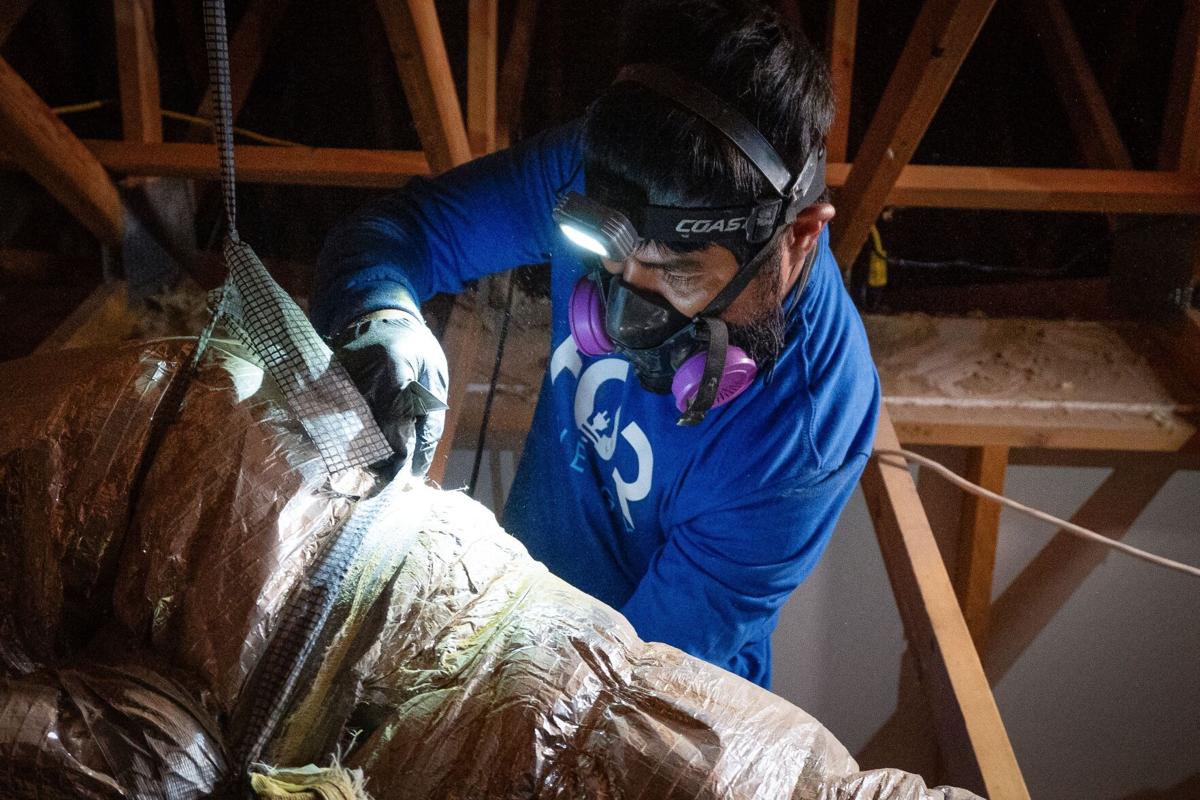
A: Physical inspections examine your insulation systems, including the building envelope and ductwork insulation.
Air barrier inspections inspect all the penetrations made by utility systems in your home, including a look at pipes through walls and registers in walls, floors, ceilings and the roof. Air leakage around these places costs you money.
Duct work inspection and testing can locate leakage that causes a drop in system efficiency and unnecessary energy usage.
The weather stripping that seals doors and windows must also be examined for damage and deterioration.
As part of a thorough inspection, the auditor should examine the venting of gas appliances to identify potential leakage around the vent and determine whether it is properly vented. That is a quality of air issue and a safety check.
Q: What kinds of tests are done, and what are they testing for?
A: Testing individual room air pressures and determining their differences can indicate potential flaws in ductwork sizing and configuration.
Data gathered by measuring the supply and return air of the HVAC unit can reveal important info about the air flow that can affect the comfort of your home.
Another worthwhile test is an infrared photograph of your home exterior. This test will highlight the hot spots. That is, the camera will reveal where your home is leaking energy. It is difficult to see the insulation coverage behind a wall; this test will show techs where there are trouble spots.
This information gathering is a critical step that should be performed by a company experienced with setting up the test and collecting the information.
Q: What kinds of questions are asked of the homeowner?
A: Part of the information the auditor needs is understanding how a homeowner uses energy. What temperature is the home kept, how are appliances used, and what other energy consumption habits affect usage?
Q: How is the information used?
A: The culmination of this information gathering is to generate a final report. The report needs to be fact-based and completed to Energy Star standards.
The report should include the following:
Data collected
Identify areas of your home where improvement and a fix are needed
A detailed explanation of each recommended improvement
Specific costs associated with each of those improvements
Discussion of any utility company or tax rebates you may be eligible for
Discussion of the utility company’s appropriate rate plan
Habit changes to consider to lower energy usage. Simple tips can add up to significant savings.
Q: Who performs an energy audit?
A: It is important that a qualified energy audit be a stand-alone process, the results of which stand on the facts the data collected present. The test results will give you an objective look at your system, allowing you to make good investments for energy savings.
Look for experienced providers in your area. Get examples of what that company’s report will include. Always check with the Arizona Registrar of Contractors (roc.az.gov) and other homeowner references and reviews. A reliable HVAC company that you trust should offer you an inspection of your whole system without pressure to buy any products.
A word of caution: Be aware of a report where the fixed conclusion is product-based. An example might be a window replacement company offering a whole home energy audit to sell you new windows you may not need.
A free virtual home assessment can be scheduled through tep.com/efficient-home-program.
Check out some innovative and sometimes overlooked energy-saving strategies that can help you and your wallet survive Tucson's summer swelter.

