


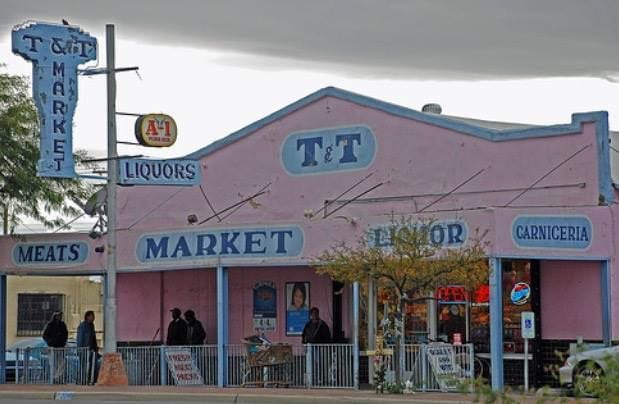
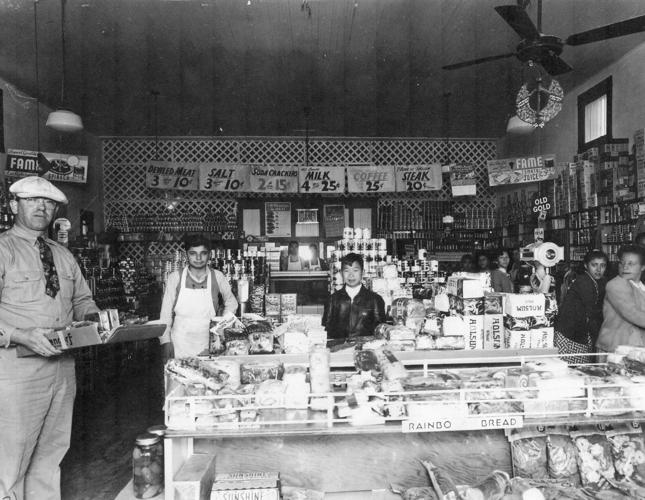

Kenyon Gee wasn’t born when his grandfather, Gee Poy Lim, bought a store on South Sixth Avenue. The elder Gee retained the store’s name: T&T Market.
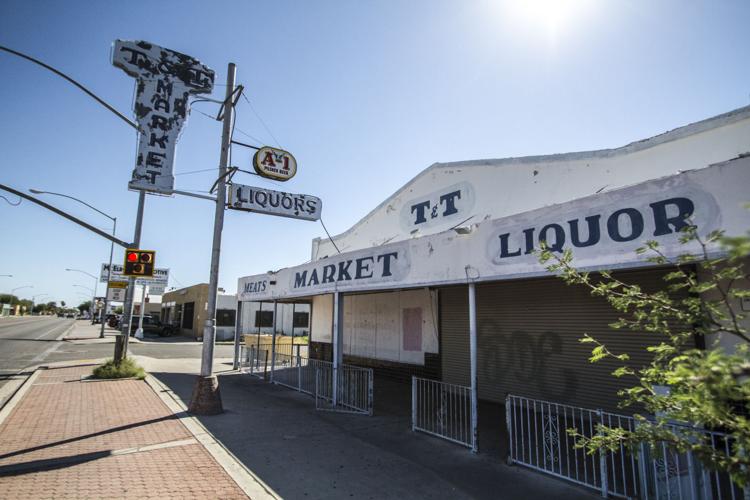
On July 31, Kenyon and Terry Gee, joint owners of the market, closed it, ending nearly 75 years — three generations — of the family’s ownership of the neighborhood store at 2048 S. Sixth Ave. in South Tucson.
The closure marks another passage in our rich cultural story. Chinese-family-owned stores once dotted Tucson’s barrios on the south and west sides and downtown. In these stores, multi-ethnic Tucson intersected and connected.
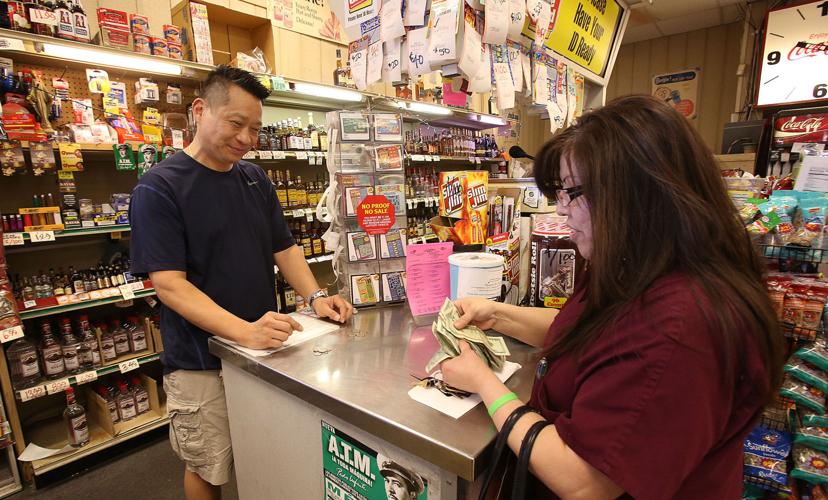
“Our identities are wrapped up in the store,” said Terry Gee, who was born in Sacramento, Calif., and came to Tucson after college 26 years ago to join Kenyon in running the store.
It’s an emotional end for the Gee family, whose narrative is similar to that of many of Tucson’s Chinese families. The immigrant men and women learned English and Spanish, faced cultural and racial barriers, worked long and hard hours, created relationships with their customers, and saw their offspring go to college to forge their own careers.
That’s the legacy of the Chinese merchant families, said Kenyon Gee.
“Our parents sacrificed so much for their kids to have a better life,” he said.
Kenyon’s grandfather and father were born in China. When his father, Keen Suey Gee, was 6 years old, he and his mother came to Tucson to join Kenyon’s grandfather. Other Chinese men came from California, where they worked in mining camps and towns, or from Mexico until they were forcibly expelled during Mexico’s nationalistic 1910 Revolution. Most of these men later would bring their wives and children.
In Tucson, many of the families opened up corner markets, largely segregated to the barrios and neighborhoods restricted to Mexicans, Yaquis, Tohono O’odham and African-Americans.
When Kenyon’s grandfather bought the store from its Chinese owners, his family said he was crazy for buying an old building, Kenyon said.
But that old building became the hub for the extended Gee family, including uncles, aunts and cousins, some of whom lived behind the store.
“I remember playing with my cousins, climbing on stacks of beer,” said Kenyon. “We had a great time there.”
While the children played, the elders worked. Kenyon’s father took over in the early 1970s and eventually Kenyon and Terry took over.
“I love mom-and-pop stores, but they’re difficult,” said Terry, adding that she and Kenyon put in long hours to keep their store open.
In the ’08 recession, many of the Gees’ working-class customers lost their jobs. Others drifted away to the big corporate box stores. The business’s decline accelerated in 2010 when Arizona enacted SB 1070, aimed at undocumented immigrants. Many moved away despite the law’s subsequent emasculation by a federal judge as unconstitutional.
“We had a very close relationship with our customers,” said Terry. So close that she and Kenyon recently attended a memorial service for a longtime customer who died. It wasn’t unheard of for Kenyon or Terry to deliver groceries to a customer who could not come to the market.
When the time came to shutter the front door, customers came to say goodbye — and make one last purchase. One man bought all the baloney in the store. Another bought the snow-ball maker and another a soda cooler.
Terry’s eyes well up. Kenyon is quiet. Talking about family history, values and contributions, in the name of T&T Market, is difficult.
There are less than a handful of Chinese-family-owned stores left in Tucson.
“Times are tough,” said Mike Mar, owner of United Market, which sits four blocks south of T&T Market. Like Kenyon Gee, Mar is a third-generation market owner. His grandfather and father opened the original United Market on another block of South Sixth Avenue.
“I’ve been doing this since I was 11 or 12 years old,” Mar said.
The legacy of the Gees, the Mars, the Gins, the Lees and all the other families is that they enriched Tucson’s culture, said Robin Blackwood of the Tucson Chinese Cultural Center, which has documented the histories of the families and the markets.
Their stories have to be kept alive, she said.
“If we’re diligent and work hard, we can maintain the legacy and history of these families,” Blackwood said.

