



Bug enthusiasts will be seeing red at this year’s Arizona Insect Festival, with a new exhibit dedicated to a prickly-pear-loving parasite used to make scarlet dye once prized by everyone from the ancient Aztecs to the British “Redcoats.”
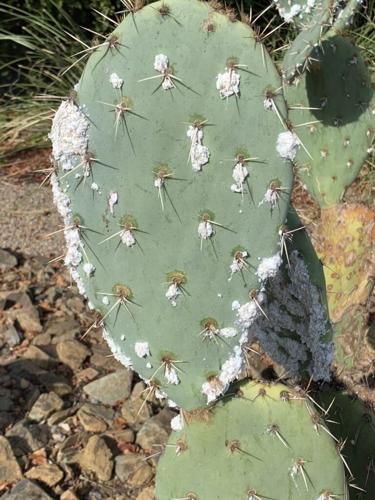
The parasite called cochineal is responsible for the fuzzy white growth that appears on some prickly pear cactuses. But the bug is best known for the brilliant red dyes that can be made by drying out and grinding up the females of the species.
For hundreds of years, the Mayans and Aztecs used cochineal to color fabric and illustrate maps and manuscripts. Then Spanish colonizers showed up in the 16th century and carted the insect and its dye back to Europe, where it became one of the most valuable imports from the New World.

A weaver crushes a cochineal insect to show how much dye is found in one insect. This year’s Arizona Insect Festival will feature a new exhibit dedicated to cochineal, the prickly-pear-loving parasite used to make scarlet dye.
A domesticated version of the parasite is still raised and harvested today to produce natural pigments used in food coloring, lipstick and other products.

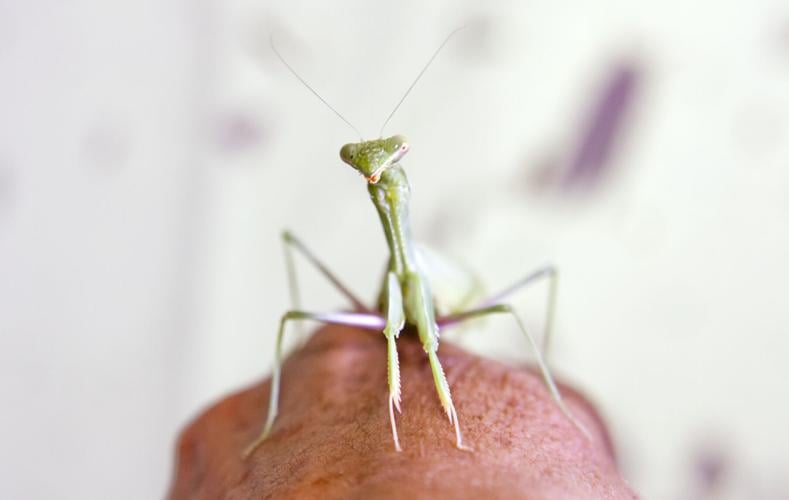
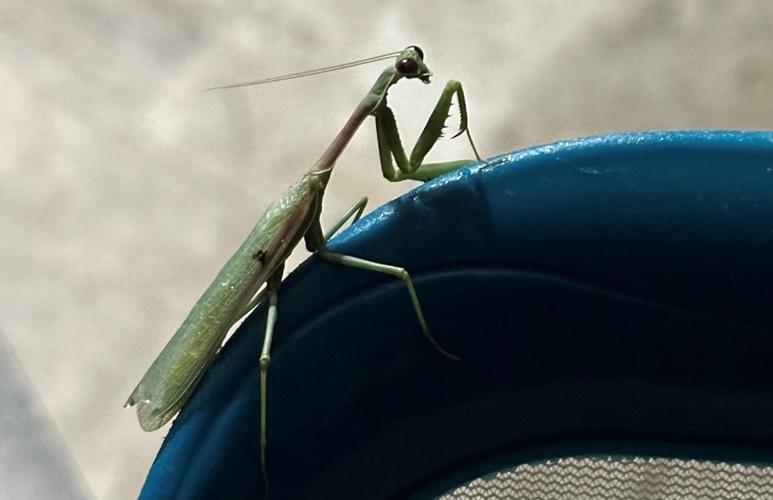
The praying mantis, like this one rescued from a Tucson swimming pool, is the theme insect for this year's Arizona Insect Festival on Oct. 5.
All that history will be on display in a booth called “What’s the Deal with Cochineal?” set to make its debut on Sunday, Oct. 5, during the University of Arizona’s 13th annual Insect Festival.
The free, kid-friendly event hosted by the Department of Entomology will run from 10 a.m. to 3 p.m. at the university’s Environment and Natural Resources 2 Building on Sixth Street just east of Park Avenue.
“We will have some cactus pads with local cochineal to observe, not handle, for obvious reasons,” said U of A Entomology Professor Molly Hunter. “We will also show the cool diversity of specialized insects associated with the Tucson local species — predators, a parasite and parasites of the predators,” hopefully with some live examples to look at under a microscope.
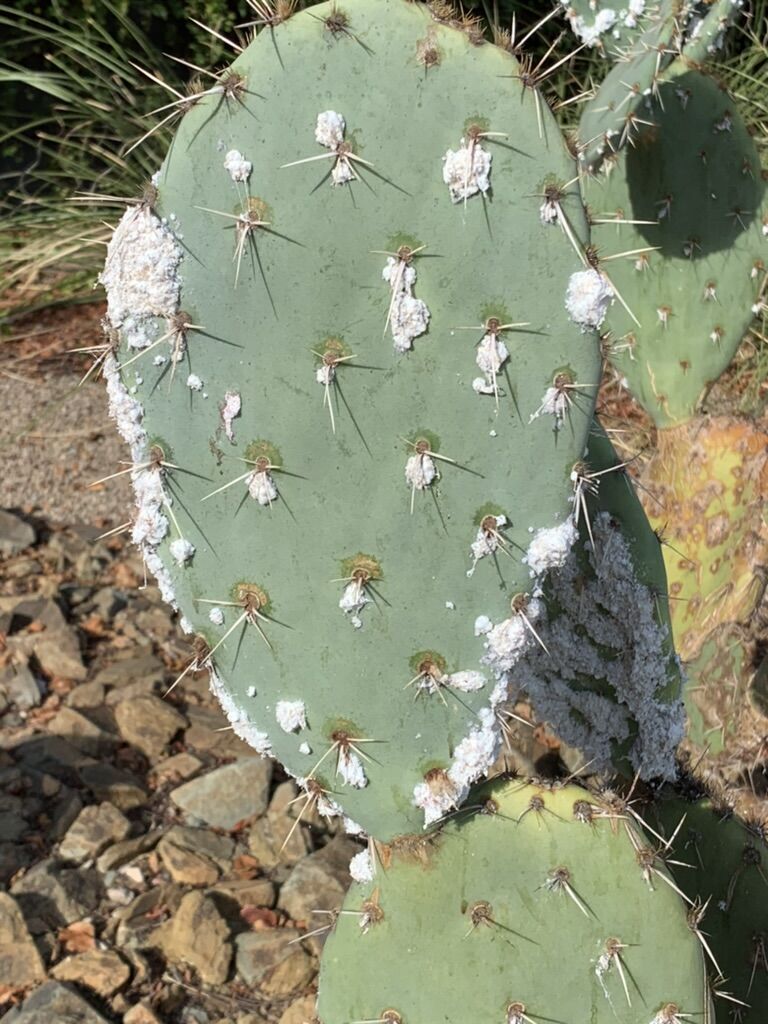
The white fuzzy growth seen on some prickly pear cactuses is produced by parasitic insects called cochineal, which for centuries have been harvested and even domesticated to produce a variety of red dyes.
Hunter said kids who visit the booth will get to take part in a craft activity likely involving red paint and see just how much red pigment can be made by grinding up a single dried insect from the domesticated species.
Also new at this year’s event is an art installation called Insect Observatory, which will use projectors to display giant versions of tiny bugs on a 10-foot-by-10-foot fabric screen as festivalgoers interact with them in tanks. Among the bugs slated to make their big-screen debut are several local aquatic species collected from Madera Canyon and the Santa Cruz River, and the festival’s theme insect for 2025, the bordered mantis.

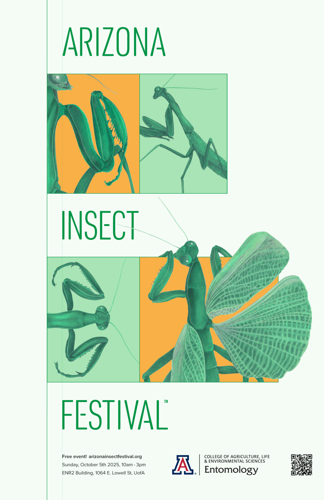
This year's Arizona Insect Festival will be held from 10 a.m. to 3 p.m. Oct. 5 at the University of Arizona's Environment and Natural Resources 2 Building on Sixth Street just east of Park Avenue.
Scientist and artist Alex Lombard, who dreamed up the Insect Observatory, said the projector will make a bug that’s less than a quarter of an inch long appear roughly the size of a computer mouse.
“This exhibit was always intended as a pilot project towards something we could bring into schools and classrooms,” she said.
Meanwhile, some of the festival’s most popular attractions will be back again this year, including the Arthropod Zoo of recently collected native critters, the Stings n’ Things exhibit of bitey and sometimes poisonous insects, the hands-on Joy of Roaches booth and the Build a Bug crafting area for kids.
The Department of Entomology created the festival to encourage understanding and appreciation of local insects and the insect-based research going on at the U of A and beyond. The event draws thousands of people each year.
If you’re a cochineal, you could say it’s to dye for.

The bordered mantis is the theme insect for this year's 13th annual Arizona Insect Festival at the U of A on Oct. 5.





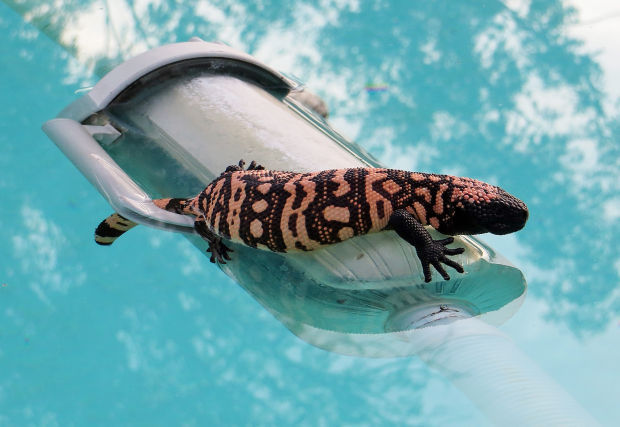

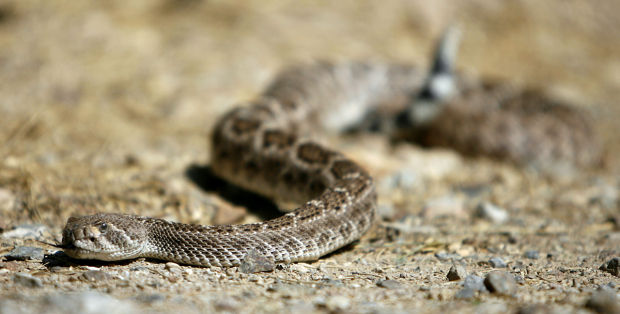
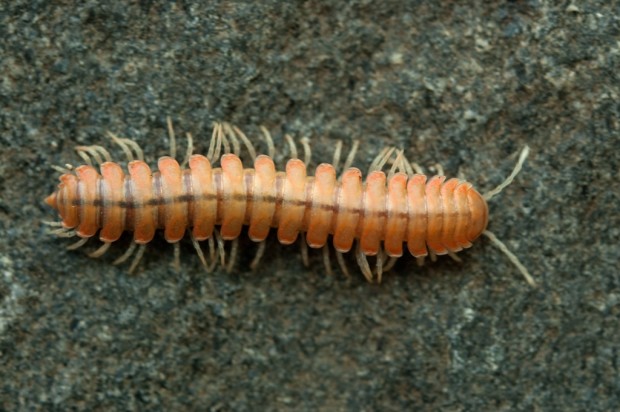
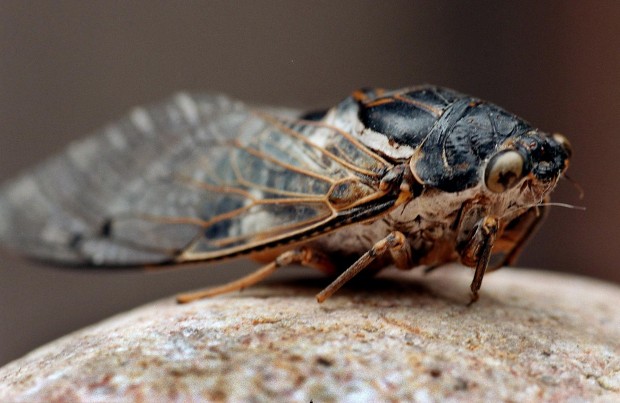

PHOTOS: Attracting the ladies, and other monsoon critters action
It isn't just humans who love it when the monsoon rains enliven the desert, perking everything up.
Critters come out to play, bigtime.
"Summer rains trigger a second breeding season for many animals, from insects to the birds and mammals that feed on the insects," the Arizona-Sonora Desert Museum in Tucson notes on its website, adding:.
Many butterflies emerge or arrive with the rains.
Giant palo verde beetles emerge to mate and lay eggs.
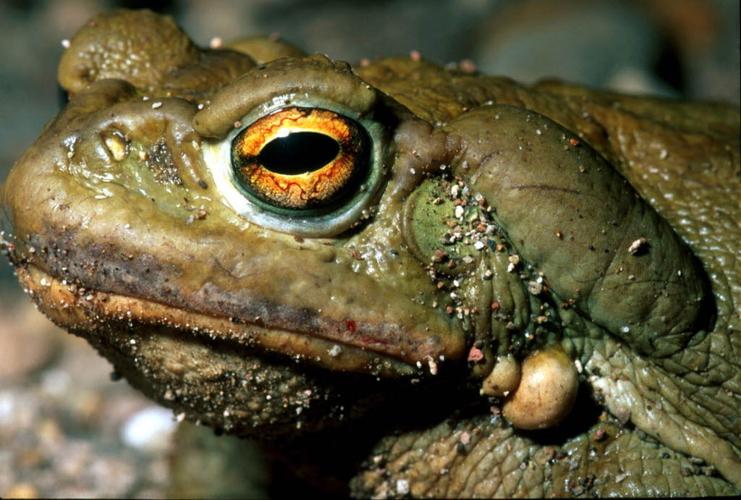
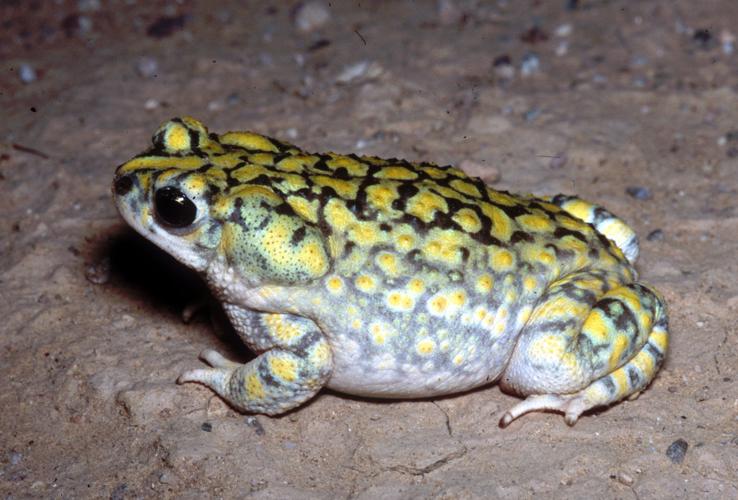
Spadefoot toads and Sonoran green toads "begin their short and frenzied reproductive cycles in the shallow rain puddles."
Nectar-feeding bats and their new young begin to move south, following the blooms of agaves.
And it gets buggy out there.
"Look for swirling swarms of winged leaf-cutter and harvester ants the morning after heavy rain; these are new queens and males which will mate and establish new colonies."
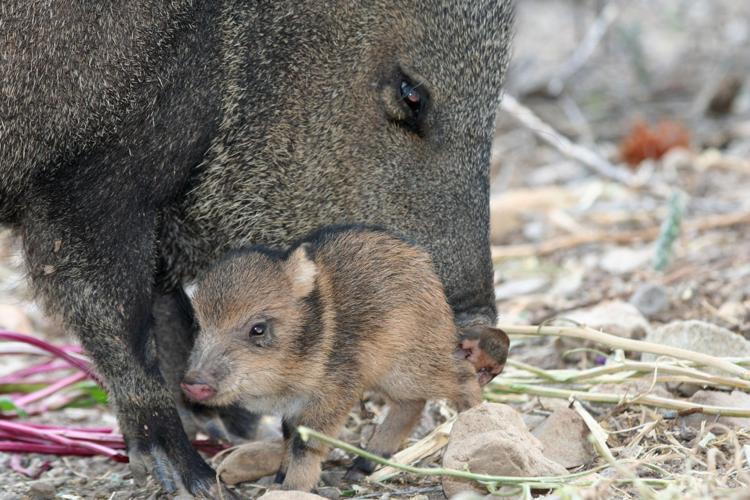
Here's a photo gallery of some of Southern Arizona's monsoon critters of the Sonoran Desert.
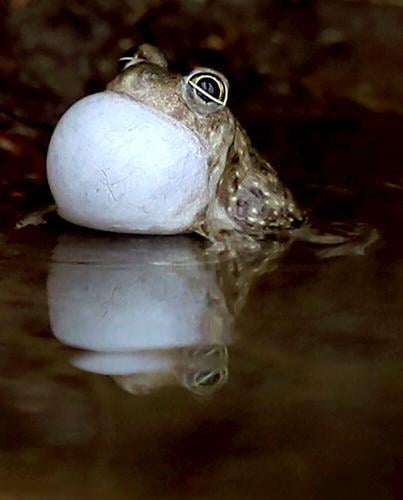
A male Couch's spadefoot toad puffs up making a mating call as the Alamo Wash flows for a few hours after a monsoon storm in July 2020.

