



Almost 50 acres in the foothills of the Tucson Mountains have been added to Saguaro National Park, just as the Trump administration is reportedly considering plans to shrink public land holdings and sell off property to balance the federal budget.
The recent purchases by the National Park Service involved two parcels covering just under 47 acres of vacant desert just south of Pima County’s Sweetwater Preserve.

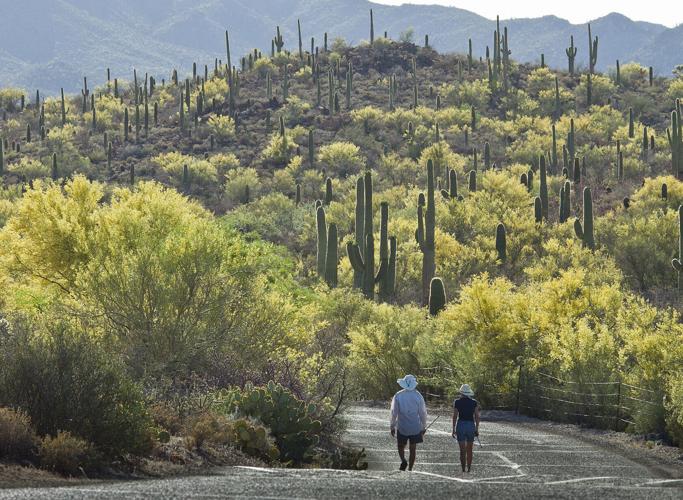
Hikers stroll through a forest of blooming palo verde trees along Sweetwater Drive next to Sweetwater Preserve on the west side of Tucson. This property was recently acquired by Saguaro National Park.
The acquisitions were announced Friday by the national nonprofit Trust for Public Land, which brokered the deals.
“This critical addition to Saguaro National Park enhances trail and habitat connectivity in one of America’s most visited parks and expands access to the stunning Southwestern landscape for all outdoor enthusiasts to enjoy,” said Carrie Besnette Hauser, president and CEO of the 53-year-old, San Francisco-based organization.
The conservation group purchased the two parcels from private owners in separate transactions totaling just over $1 million, then sold them to the Park Service for the same amount.
"We’re grateful to the Trust for Public Land for facilitating the transfer of these two properties to Saguaro National Park, which provide crucial habitat connectivity for wildlife such as desert tortoises and mountain lions to other protected areas like the Sweetwater Preserve," said Beth Hudick, interpretation, education and outreach manager for the almost-93,000-acre park.
The parcels represent the trust’s fourth and fifth additions to Saguaro over the past decade. In 2020, the group helped the park acquire 83 acres that were targeted for residential development just to the west along Sweetwater Drive.
Since 1993, the trust has played a role in securing more than 2,300 acres in and around the national park, most of it in Saguaro’s Rincon Mountain District on the east side of Tucson.
The nonprofit also played a central role in the county’s original acquisition of almost 700 acres for Sweetwater Preserve in 2004.
American assets
Saguaro National Park’s latest acquisition comes as Trump administration officials and some Republicans in Congress signal interest in opening more federal land to mining, logging and other development or selling swaths of it to offset the national debt.
During his Senate confirmation hearing in January, Interior Secretary Doug Burgum referred to public land as a major asset on “America’s balance sheet.”
Since then, the presidential appointee in charge of more than 415 million acres of public property has signed orders and launched initiatives aimed at increasing energy and mineral exploration and the construction of affordable housing on “underutilized federal lands.”
And in recent days, reports have surfaced that Interior Department officials are considering scaling back the boundaries and protections at six national monuments in the West, including Ironwood Forest west of Tucson.
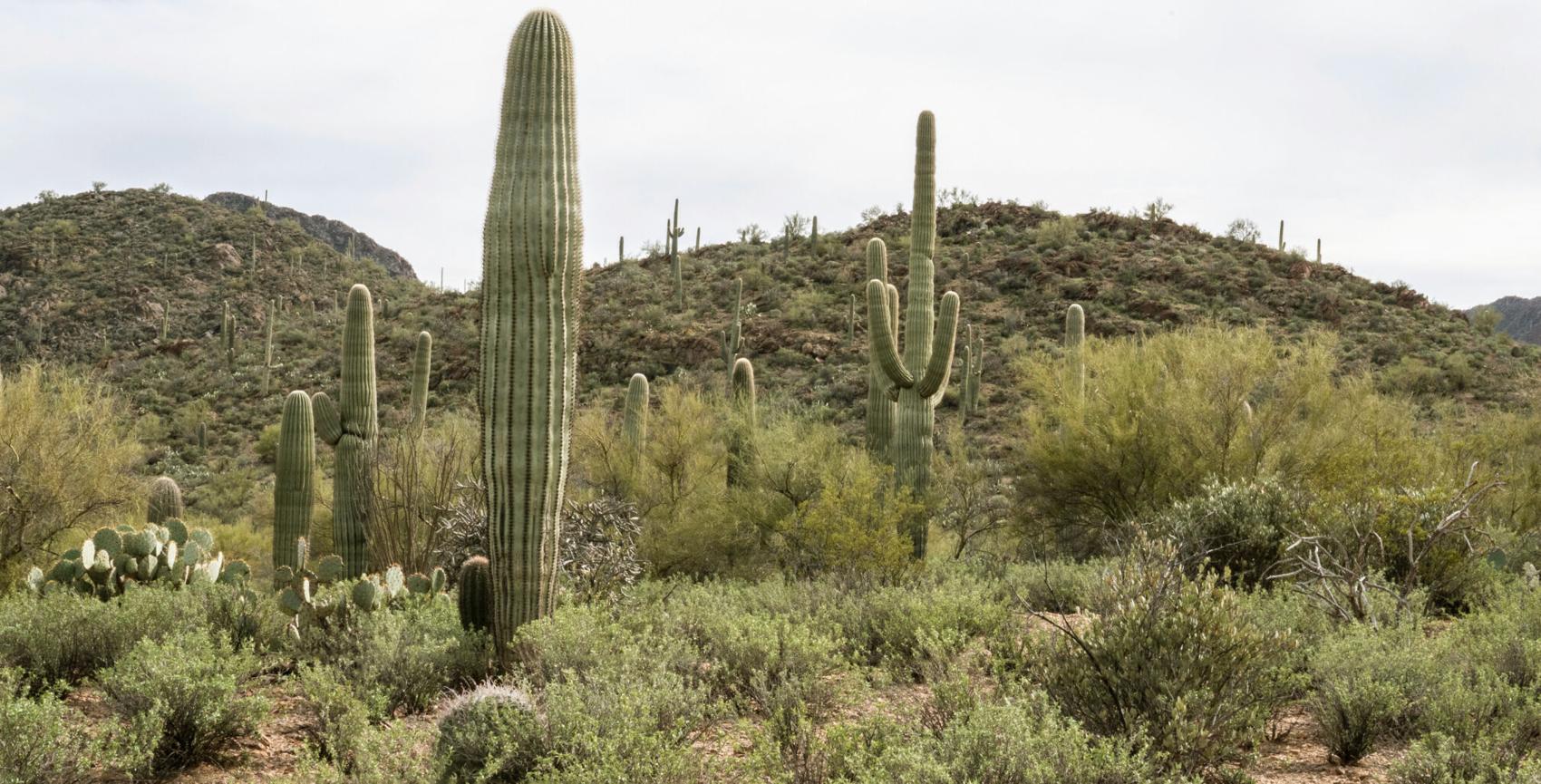
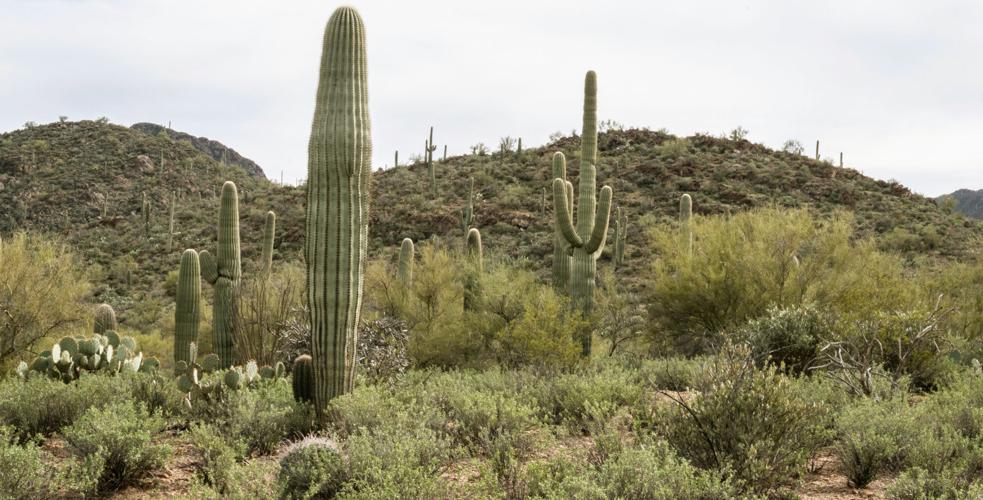
This photo of the cactus-studded Tucson Mountains foothills was taken from a 6.7-acre parcel purchased by the nonprofit Trust for Public Land and sold to the federal government on April 11 to become part of Saguaro National Park.
But if the administration pushes too hard, it could find itself at odds with voters, including those from its own party. Jim Petterson, the Trust for Public Land’s vice president for the Mountain West region, said recent polling shows overwhelming, bipartisan support for protecting national parks and other public land.
In a nationwide survey commissioned by the trust last month, more than 70% of respondents said they don’t want to see federal land closed to the public or sold to the highest bidder. More than 60% said they oppose funding cuts and staff layoffs at agencies responsible for managing federal land.
“Public lands are our great national unifier,” said Lucas St. Clair, chairman of the trust’s national board of directors. “They support our physical and mental health. They power local economies through outdoor recreation. And they remind us that shared spaces can still unite a divided nation.”
Land with a view
Michael Patrick is senior project manager for the Trust for Public Land.
He said Saguaro’s newest acreage strengthens the park’s connection to Sweetwater Preserve while protecting several key “wildlife linkages” — namely ephemeral washes used by animals to move between the Tucson Mountains and the Santa Cruz River.
The government bought the two parcels “at no cost to taxpayers,” he said, using money from the Land and Water Conservation Fund, a 60-year-old program that uses federal royalties from offshore oil and natural gas production to pay for preservation work.
Pima County and the Southern Arizona Hiking Club also helped with the transactions by covering the cost of land surveys and other project expenses, Patrick said.
The properties feature a forest of saguaro cactuses and palo verde trees leading south to a rocky hill “with amazing views from the top,” he said.
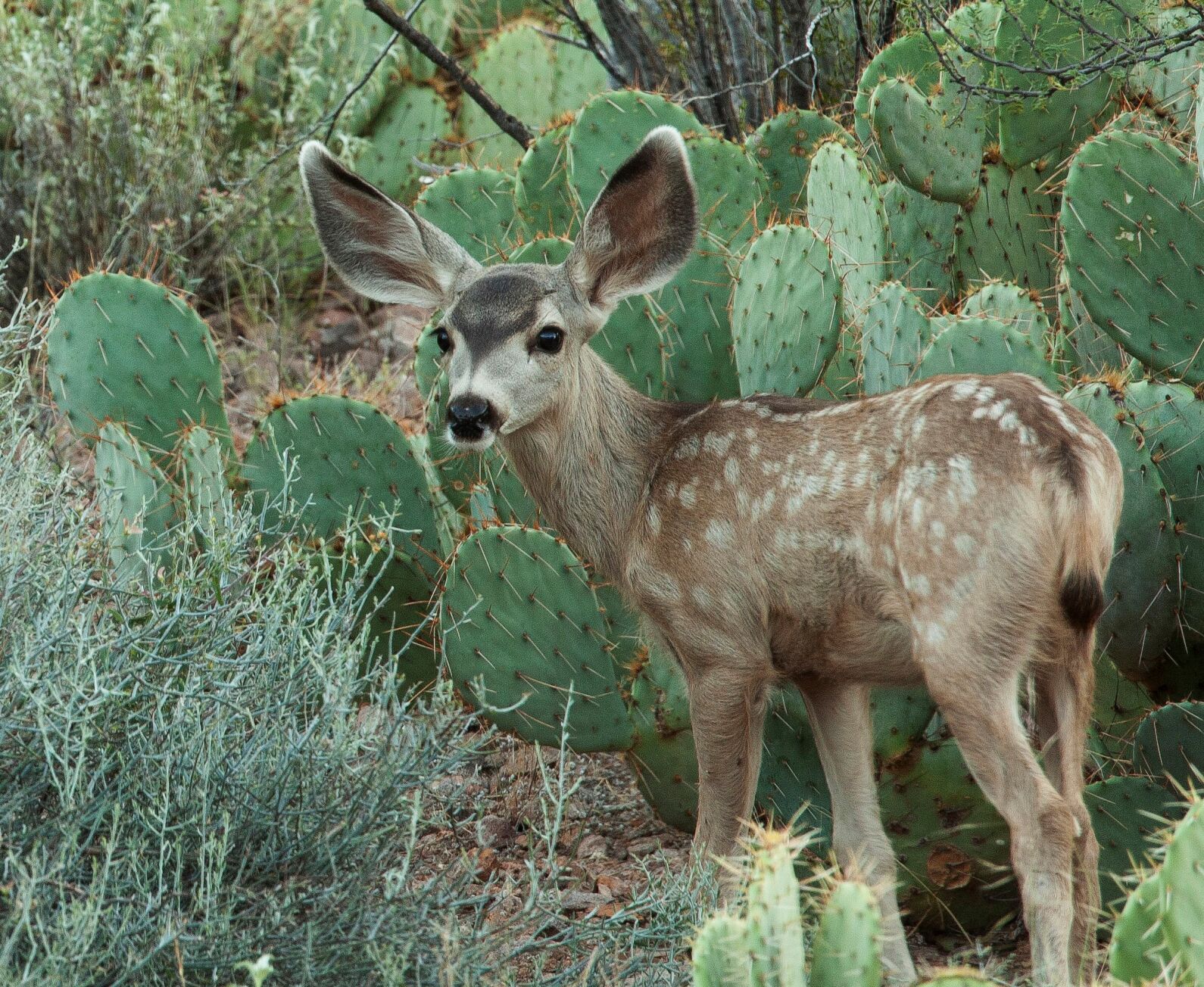
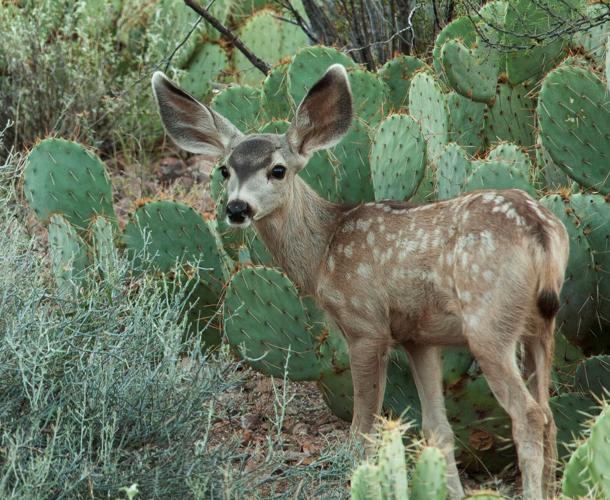
A mule deer fawn browses in the desert near Sweetwater Drive in the Tucson Mountains, in an area recently added to Saguaro National Park’s west unit.
For now, though, the land remains off limits to the public, as does the 83-acre tract the trust bought and then sold to Saguaro five years ago.
Patrick said it will be up to the Park Service to decide when and how to grant access to those properties. That is expected to involve some sort of public planning process that probably won’t happen until other private parcels in the vicinity have been acquired by the park, he said.
As with so many things in Southern Arizona, U.S. Rep. Raúl Grijalva, a Tucson Democrat who died on March 13, played an instrumental role in the expansion and preservation of Saguaro National Park, Patrick said.
The newly acquired properties are in an area that was added to the park’s boundaries in late 2020 as a result of legislation Grijalva sponsored.
Patrick called the late congressman “a hero to public lands everywhere.”
He said the trust is hoping to snap up another so-called “private in-holding” along Sweetwater Road by the end of this year, and the group will continue to seek out willing sellers of other parcels within the park’s expanded boundary.
Political winds
So far, the new administration’s apparent desire to unload some federal land has not hampered the trust’s efforts to set aside more of it.
In addition to the recent transactions on Tucson’s west side, Patrick said his group just sold property to the government for preservation in the Salt Lake City area without any trouble.
Though recent program cuts and policy rhetoric have environmentalists justifiably concerned, Petterson noted that the first Trump presidency did produce at least one landmark piece of conservation legislation.
As part of the Great American Outdoors Act, which President Donald Trump signed into law in August 2020, Congress ordered the Land and Water Conservation Fund — the very program just used to add new acreage to Saguaro National Park — to be fully funded with an annual appropriation of $900 million.
The legislation also set aside $9.5 billion to address the National Park Service’s growing maintenance backlog.
But Trump undercut the new law two days after the 2020 election was called for Joe Biden, when he directed his then-Interior Secretary David Bernhardt to issue a series of directives effectively blocking most new acquisitions under the Land and Water Conservation Fund.
Critics of the move, including from the Trust for Public Land, called it intentional sabotage, and Bernhardt’s restrictions were promptly rescinded during the first few weeks of the Biden administration.
Though the political winds have changed directions once again, Patrick said the trust plans to keep on doing what it’s been doing since 1972: working to preserve the nation’s treasured places for the permanent benefit of all Americans, not just the short-term gain of a privileged few.
“For more than 50 years, we’ve been all about protecting public land,” he said. “We hope these places remain open to the public and protected.”

